






The New Reality of Mumbai Real Estate
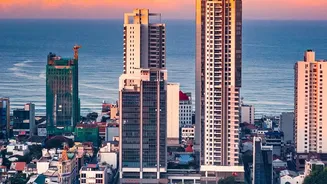
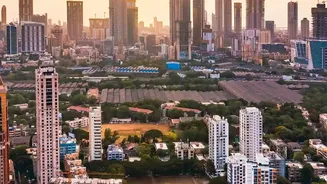
In a city with an absolute scarcity of developable land, building up is the only way to build out. Redevelopment—the process of demolishing old structures to construct new, taller, and more modern buildings—has become an "urban survival imperative" for
Mumbai. Recent data shows this market is at an inflection point; since 2020, over 1,000 redevelopment projects have been launched, accounting for 13% of the total residential supply. More importantly, for the first time, sales from these projects are outpacing new launches, with their share of total housing sales jumping to 15% in 2025-2026 from just 6% between 2016 and 2021. This surge includes everything from single housing societies to large-scale slum rehabilitation, which now has over 2,156 acres in its pipeline.
The Allure for Homebuyers
Why are buyers actively choosing redeveloped properties? The primary draw is location. These projects offer brand-new homes with modern amenities in established, prime neighbourhoods, saving buyers from the 5- to 7-year wait for infrastructure to develop in peripheral areas. Buyers get access to existing schools, hospitals, markets, and transport links from day one. Furthermore, this model is reshaping entire neighbourhoods, especially with the rise of cluster-based developments in areas like Borivali, Andheri, and Goregaon, which improve the overall urban environment. This trend has led to significant capital appreciation, with values in some key redevelopment corridors growing by 20-30% over three years.
Red Flags and Major Pitfalls
The promise of a new flat in a prime location can be seductive, but the path is filled with potential traps. The single biggest risk is project delays, which are extremely common. Factors like approval hold-ups, disputes between existing society members, and developer financial issues can stall a project for years. This leaves buyers in a lurch, potentially paying both rent and an EMI simultaneously. Another significant concern is the developer's financial stability and experience. An undercapitalized or inexperienced developer may abandon the project, leaving buyers with little recourse, as highlighted by recent tribunal rulings where new buyers were left to chase the original defaulting developer. Other issues include disputes over transit rent for existing members and legal challenges from dissenting society members that can halt progress indefinitely.
Your Essential Due Diligence Checklist
Before investing, a thorough check is non-negotiable. First, verify the developer's track record. Look for their history of completed redevelopment projects, not just launched ones. Second, confirm the project's legal standing. Ensure the development agreement between the society and developer is registered, and that crucial approvals like the Commencement Certificate (CC) are in place. Construction without a CC is illegal. Third, check the project’s RERA registration. The MahaRERA portal is a public resource providing a project timeline, promoter details, and any complaints filed. An “imminent” project without a RERA number is a red flag. Finally, read the fine print of the agreements, which detail your future carpet area, transit rent clauses, and penalty conditions for delays.
Understanding RERA's Role and Its Limits
The Real Estate (Regulation and Development) Act, or RERA, provides a crucial safety net for buyers. It mandates project registration, requires developers to deposit 70% of buyer funds into an escrow account to prevent fund diversion, and establishes a formal dispute resolution platform. However, buyers should not see RERA as a complete shield. Its jurisdiction can be complex in redevelopment, which operates under a dual regulatory system involving cooperative laws as well. In cases of developer default, the rights of the original society members may take precedence, leaving new buyers in a vulnerable position. Therefore, while RERA offers significant protection, it does not replace the need for personal due diligence. Your best defence is to be informed and cautious from the outset.