
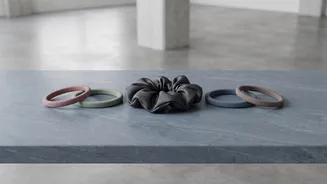

You love your fresh hair colour, but the sun doesn't. Prolonged exposure, especially midday, can fade that perfect shade and leave strands dry and brittle. Here's your guide to keeping your colour vibrant and your hair healthy all year long.
Why the Sun Is Your Colour's Enemy
The vibrant
look of freshly coloured hair is something worth preserving. Unfortunately, the sun's ultraviolet (UV) rays are one of the biggest culprits behind premature fading and damage. There are two types of UV rays to be aware of: UVA and UVB. Think of it this way: UVB rays are primarily responsible for the loss of hair protein, like keratin, which weakens the hair's structure and leads to that dry, brittle feeling. UVA rays, on the other hand, are what cause the colour change itself. They penetrate the hair shaft and break down both the artificial colour molecules you paid for and your natural melanin, causing your shade to fade, lighten, or develop unwanted brassy tones. This process, known as oxidation, is similar to how bleach lightens hair. Because the chemical process of colouring already makes hair more porous and vulnerable, sun exposure can accelerate this damage significantly.
The Midday Danger Zone
Not all sunshine is created equal when it comes to potential damage. The headline's focus on 'prolonged midday exposure' is critical. UV radiation is at its most intense between 10 a.m. and 4 p.m. During these hours, the sun is highest in the sky, and its rays have a shorter, more direct path to travel, delivering a more potent dose of damaging radiation. In fact, nearly half of your total daily UV exposure can occur during this window. It's a common mistake to think that clouds offer complete protection; up to 80% of UV rays can still penetrate light cloud cover. So, even on an overcast day, your hair colour is at risk. A simple rule of thumb is the 'shadow test': if your shadow is shorter than you are, the sun's rays are at their strongest, and it's time to take extra precautions.
Your First Line of Defence: Cover Up
The most effective and foolproof way to protect your hair from the sun is to create a physical barrier. This is non-negotiable for times when you know you'll be in direct sun for long periods, especially during those peak 10 a.m. to 4 p.m. hours. A wide-brimmed hat is an excellent choice, as it protects not only your hair but also your scalp, face, and neck. If hats aren't your style, a chic scarf or a head wrap can serve the same purpose. Even seeking shade under an umbrella or a canopy makes a significant difference. Think of covering your hair with the same priority you give to applying sunscreen on your skin—it's the most reliable way to prevent damage before it starts.
Choose Your Products Wisely
When a hat isn't practical, the right hair products can offer a valuable layer of protection. Many brands now incorporate UV filters into their formulas. Look for leave-in conditioners, styling sprays, or finishing oils that specifically mention UV protection. Key ingredients to watch for include Benzophenone-3, Benzophenone-4, and Cinnamidopropyltrimonium Chloride, which are effective at absorbing UV radiation. Antioxidants like vitamins B, C, and E can also help neutralise damaging free radicals produced by sun exposure. Some natural oils, such as coconut and almond oil, can provide a minimal barrier and help lock in moisture, but they shouldn't be relied upon for primary protection. For best results, apply a UV-protective product evenly through your hair before you head outside.
Smart Habits for Everyday Protection
Beyond specific products, small adjustments to your hair care routine can make a big impact. If you use heat styling tools, your heat protectant spray may already contain UV filters, giving you an extra shield. After swimming in a chlorinated pool or salt water, rinse your hair with fresh water as soon as possible to remove residues that can amplify sun damage. To combat the dryness that sun exposure inevitably causes, incorporate a deep-conditioning mask into your weekly routine. Opt for formulas designed for colour-treated hair to replenish moisture without stripping your shade. Finally, try to reduce how often you wash your hair. Over-washing can strip away natural oils that offer a slight degree of protection, and it contributes to faster colour fade on its own.