





What's Old is New Again
Across India, a quiet revolution is bubbling up in cafes, bars, and kitchens. It’s a shift away from mass-produced sodas and towards drinks with a story. This trend, often called 'neo-traditionalism', is all about taking familiar, time-honoured beverages
and giving them a modern update. Think of it as a remix of your favourite classics. We're seeing everything from artisanal versions of shikanji and lassi to craft beers and cocktails infused with indigenous Indian spices and botanicals. [11, 18, 23] This isn't just about flavour; it's a cultural movement that reflects a growing desire for authenticity and connection. [10] Consumers, particularly millennials and Gen Z, are increasingly seeking unique, high-quality experiences and are willing to pay for products that feel both special and rooted in heritage. [4, 10]
The Driving Forces: Wellness and Nostalgia
So why is this happening now? A major driver is the global wellness movement. [7] Consumers are more health-conscious than ever, seeking drinks with functional benefits, from boosting immunity to improving gut health. [5, 7] This has fuelled the popularity of fermented drinks like kombucha and kefir, which are now being flavoured with traditional ingredients. [9, 14, 15] Many of these neo-traditional drinks use natural sweeteners, have cleaner ingredient lists, and align with a more mindful approach to consumption. [5] At the same time, there's a powerful pull towards nostalgia. Flavours that evoke memories of childhood or regional pride are being rediscovered and celebrated. [11] In a fast-paced world, these drinks offer a sense of comfort and a connection to one's roots.
From Masala Chai Sours to Kokum Ales
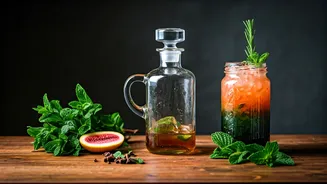
The creativity within this trend is boundless. In urban centres like Mumbai, Delhi, and Bengaluru, mixologists are raiding the spice box to craft innovative cocktails. [10, 23] Classic recipes are being deconstructed and reimagined, resulting in drinks like the Masala Chai Old Fashioned, Tamarind Ginger Margarita, and even a Jamuntini. [21, 23] Traditional refreshers like Aam Panna and Jaljeera are being transformed into sophisticated cocktail bases. [21, 24] The craft beer scene is also embracing this fusion, with microbreweries producing beers with local ingredients like mango, kokum, pepper, and jaggery. [18] These creations balance global brewing techniques with distinctly Indian sensibilities, offering a taste that is both novel and familiar. [18] Syrups and pre-mixes are also making it easier for cafes and restaurants to serve consistent, modern takes on drinks like Kala Khatta and Imli Banta. [11]
A Celebration of Local and Artisanal
At its heart, this trend is a celebration of local sourcing and small-batch production. [4] Artisanal producers are at the forefront, tapping into India's rich biodiversity to find unique botanicals and spices. [4] This focus on local ingredients not only creates distinctive flavour profiles but also supports local economies and promotes a more sustainable approach to consumption. [2] Brewpubs and taprooms have become cultural hubs where consumers can explore these new flavours through tasting flights and connect with the brewers themselves. [18] This emphasis on craftsmanship and storytelling is what sets these beverages apart from their mass-market counterparts. [2, 13] It's about appreciating the quality, care, and creativity that goes into every sip, transforming the act of drinking into a richer experience. [18]