



The End of an Era, The Dawn of a Market
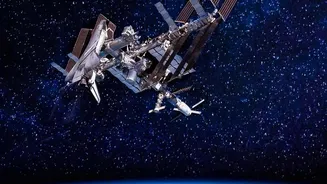
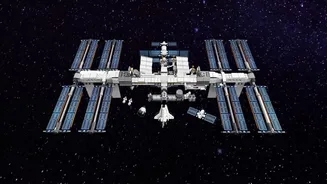
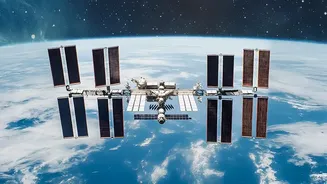
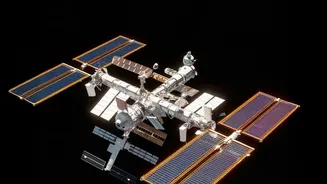
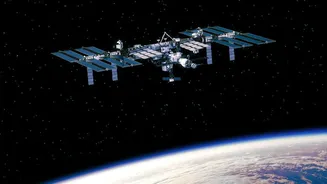
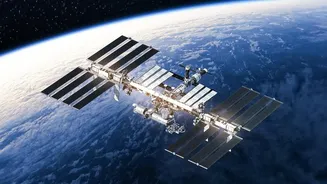
For more than 25 years, the International Space Station has been a symbol of global cooperation and a hub for scientific discovery. However, the aging orbital laboratory is slated for a controlled deorbit into a remote part of the Pacific Ocean around
2030. Recognizing the critical need to maintain a human presence in low-Earth orbit (LEO), NASA is turning to the private sector. Through its Commercial LEO Destinations (CLD) program, the agency is actively funding and partnering with several companies to develop privately owned and operated space stations. This strategic shift transforms NASA from an owner-operator into a customer, purchasing services like research time and crew access from these new commercial outposts. The goal is to ensure there is no gap in American access to space while simultaneously kickstarting a robust commercial economy in orbit.
The Key Players in the New Space Race
A handful of ambitious companies are at the forefront of this commercial space race. Axiom Space has a unique strategy, planning to first attach its own modules to the ISS starting as early as 2026. These modules will eventually detach to form a free-flying independent station before the ISS is retired. Meanwhile, a partnership between Blue Origin and Sierra Space is developing Orbital Reef, envisioned as a 'mixed-use business park' in space designed to host up to 10 people for research, manufacturing, and tourism. Other major players include Vast, which aims to launch its single-module Haven-1 station in 2027 and is also developing larger, multi-module stations with an eye toward creating artificial gravity. The Starlab venture, a partnership between Voyager Space and Airbus, is also developing a station focused on a large, inflatable habitat.
Inflatable Habitats and New Frontiers
A key technological innovation driving this new era is the inflatable habitat. Companies like Sierra Space are developing Large Integrated Flexible Environment (LIFE) modules. These habitats are made of high-strength, soft-good materials that launch in a compressed state and inflate in orbit to become large, multi-story structures. The primary advantage is volume; an inflatable module can offer significantly more interior space than a traditional rigid, metallic module launched on the same rocket. These advanced fabrics are designed with multi-layer shielding to protect against the harsh environment of space, including micrometeoroids and orbital debris. Successful burst tests, conducted in partnership with NASA, have demonstrated the strength and viability of this technology, paving the way for larger and more comfortable orbital habitats.
More Than Just a Laboratory
While orbital research remains a core purpose, these commercial stations are being designed with a much broader business model in mind. The vision is to create versatile platforms that can support a wide range of activities. This includes in-space manufacturing of unique products like specialized fiber optics or complex pharmaceuticals that benefit from a microgravity environment. Space tourism is another major market, with companies designing habitats that are more human-centric, featuring large windows, comfortable sleeping quarters, and even Wi-Fi. Vast is even exploring simulated gravity for sleeping and has the long-term goal of building rotating stations that produce artificial gravity to enable long-duration stays without the negative health effects of zero-g. These stations are being built as destinations in space, intended for a diverse clientele of national astronauts, private researchers, and tourists.