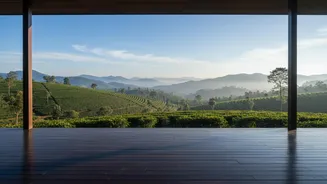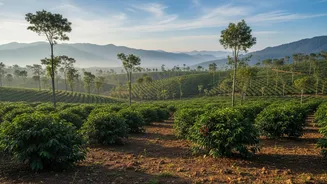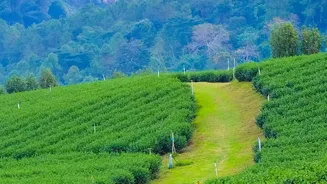



Why Choose a Coffee Plantation Stay?
A coffee estate holiday offers a unique escape from the noise and rush of city life. It’s an immersive experience that engages all your senses. The air is fresh and filled with the aroma of coffee and spices, the landscapes are a feast for the eyes, and the environment
is deeply calming. Unlike a typical hotel stay, residing on a plantation allows you to connect with nature on a deeper level. You can walk through groves of Arabica and Robusta plants, learn about how pepper and cardamom grow alongside them, and listen to the sounds of exotic birds. It’s a chance to slow down, disconnect from daily routines, and rejuvenate in a tranquil, natural setting.
Top Destinations for a Budget Holiday
India’s Western Ghats are home to stunning coffee-growing regions, many of which offer excellent budget-friendly options. Coorg and Chikmagalur in Karnataka are classic choices. Coorg is often called the 'Coffee Capital of India' and provides a wide variety of homestays and sightseeing options. Chikmagalur offers a quieter, more dramatic landscape, with high-altitude estates that feel intimate and atmospheric. In Kerala, Wayanad is another fantastic option, with numerous homestays nestled within lush coffee and spice plantations. For those in Tamil Nadu, Yercaud is a charming hill station with its own collection of coffee estates waiting to be explored.
How to Find Affordable Stays
The key to a budget coffee estate holiday is choosing the right accommodation. Instead of luxury resorts, look for homestays or farm stays. These are often family-run properties located within working plantations, offering an authentic and affordable experience. Many planters have converted ancestral bungalows or built simple, clean cottages for guests. Booking directly with the homestay can sometimes result in better prices. Look for packages that include meals, as food within the estate is often home-cooked and more economical than eating out. Hostels in towns like Madikeri (Coorg) also offer budget-friendly bases from which to explore the surrounding plantations.
Timing Your Visit for the Best Experience
The best time to visit depends on the experience you seek. The current monsoon season (June to September) transforms the region into a lush, green paradise with magnificent waterfalls. It's an ideal time for those who love misty, romantic landscapes, and it's often considered a budget-friendly period. The post-monsoon and winter months (October to February) are generally seen as the best overall time to visit, with cool, pleasant weather perfect for plantation walks and trekking. For a truly special experience, plan your trip during the coffee harvesting season (typically November to January) to see the picking and processing firsthand, or visit in February and March to witness the magical sight of coffee plants in full bloom.
What to Do and What to Pack
The main activity is simply soaking in the serene environment. Most stays offer guided plantation tours where you can learn about the coffee-making process from bean to cup. Other activities include bird watching, nature walks to nearby streams or viewpoints, and simply relaxing on a veranda with a book and a fresh cup of coffee. Some estates also arrange bonfires at night. For packing, essentials include comfortable walking shoes with good grip, especially for the slippery monsoon paths. Quick-dry clothing, a light jacket for cool evenings, and a reliable raincoat or poncho are must-haves for the current season. Don't forget insect repellent and a power bank, as connectivity can be patchy in remote estate areas.