








Understanding the Freeze Response
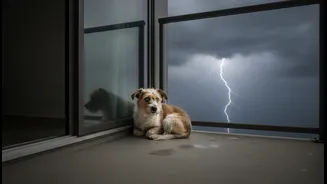
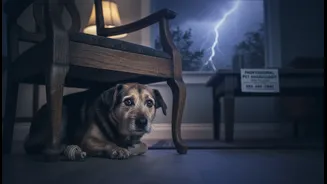
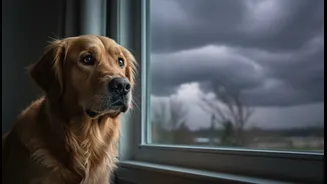
When a storm rolls in, you might expect a scared dog to bark or a cat to dash under the bed. But what if they do nothing at all? This is the 'freeze' response, an involuntary reaction to overwhelming fear. It’s not a sign of stubbornness or calm; it’s
a state of temporary paralysis where the animal becomes completely still and rigid. This behavior is part of an instinctual survival mechanism shared by many animals when they perceive a threat they cannot fight or flee. In this state, a pet might appear unresponsive, with a tense body, wide eyes, and a tucked tail, essentially shutting down in the face of terror.
The Science of a Pet's Fear
The freeze response is a component of the well-known "fight, flight, or freeze" instinct, a physiological reaction triggered by the brain's alarm system. For pets, storms are a multi-sensory assault. They are acutely sensitive to environmental changes we might not even notice. Long before we hear thunder, they can sense the drop in barometric pressure and the buildup of static electricity in the air. Then come the unpredictable loud bangs of thunder and disorienting flashes of lightning. This sensory overload can trigger a massive adrenaline surge, preparing the body for action. When escape or confrontation seems impossible, the nervous system can hit the brakes, causing the animal to freeze in place as it assesses the inescapable threat.
How to Help a Pet That Freezes
Seeing your pet frozen with fear can be distressing, but your calm presence is the first step toward helping them. Never punish or scold an anxious animal, as this will only increase their fear. Instead, focus on creating a sense of security. Guide them to a 'safe space' you’ve prepared in advance—an interior room, closet, or crate where sounds and light are muffled. Playing soft music or white noise can help mask the sounds of the storm. Consider using calming aids like a pheromone diffuser or a compression vest, often called a Thundershirt, which applies gentle, constant pressure that can have a soothing effect. The goal is not to eliminate the fear instantly but to manage the environment and provide comfort.
Creating a Long-Term Calming Strategy
While immediate comfort is crucial, long-term strategies can help reduce your pet's overall storm phobia, which can worsen over time if left unaddressed. One effective technique is desensitization. This involves playing recordings of storm sounds at a very low volume while engaging your pet in a positive activity, like playing or receiving treats. Over many sessions, you can gradually increase the volume, helping your pet build a new, less fearful association with the noise. It’s also important to remain a calm and confident leader during a real storm. Your pet looks to you for cues; if you act like everything is normal, it can send a powerful signal that there is no real danger.
When to Consult a Professional
If your pet's storm anxiety is severe, causing them to freeze, panic, or engage in destructive behaviors, it’s wise to seek professional help. Your veterinarian can rule out any underlying medical issues and discuss a comprehensive management plan. They may prescribe short-acting anti-anxiety medications to be given before a storm is expected to hit, which can prevent the fear response from escalating. For pets with pervasive anxiety, a daily medication might be more appropriate. In some cases, a vet may refer you to a certified animal behaviorist for a more tailored behavior modification program. Professional guidance can provide you with the tools to significantly improve your pet's quality of life during storm season.