






Purity and True Value
The first major difference lies in purity. Gold coins are typically minted in 24 Karat (24K) purity, which is 99.9% pure gold. This makes them a straightforward investment, as their value is directly tied to the market rate of pure gold. Jewellery, on
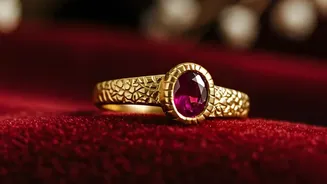
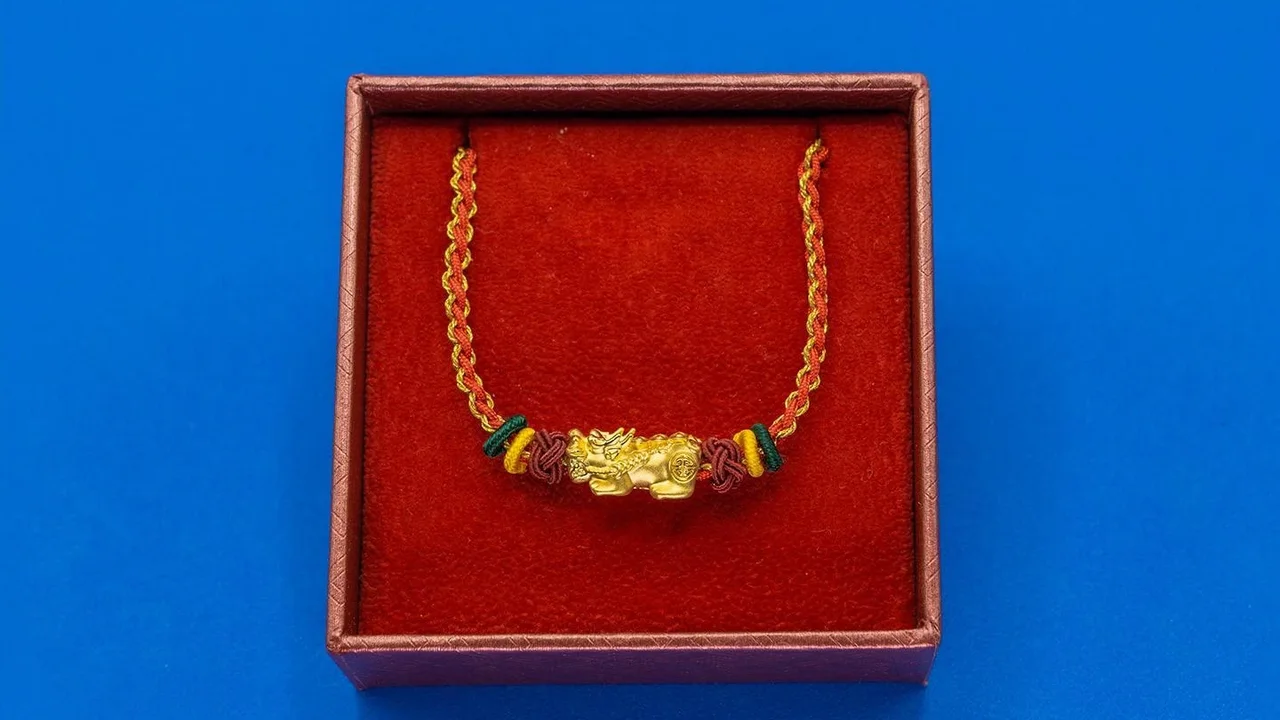
the other hand, is usually made from 22 Karat (22K) or 18 Karat (18K) gold. Pure 24K gold is too soft for crafting durable ornaments, so it's mixed with metals like copper or silver for strength. While 22K gold is 91.6% pure (often marked as 916), this means a 10-gram necklace doesn't contain 10 grams of pure gold, impacting its intrinsic value. For pure investment, coins hold a clear edge.
The Impact of Making Charges
When you buy jewellery, you pay for more than just the gold; you also pay 'making charges'. This fee covers the labour, design, and craftsmanship, and can range from 8% for simple machine-made chains to over 25% for intricate, handcrafted pieces. These charges are almost never recovered upon resale. When you sell jewellery, the buyer typically only pays for the melt value of the gold, meaning the cost of craftsmanship is a sunk cost. Gold coins have very low making charges or premiums, often just 1-3%, making them far more cost-effective from an investment and resale perspective.
Liquidity and Resale Ease
Liquidity refers to how quickly an asset can be converted to cash. Gold coins, especially those from reputable banks or sellers, are highly liquid. Their standardised purity and weight make them easy to value and sell at close to market rates. Jewellery resale is more complex. The value depends on the jeweller's assessment of weight and purity, and as mentioned, making charges are deducted. While you can sell jewellery anywhere, you might get a better exchange value from the original jeweller. The process is less standardised than selling a gold coin.
Storage and Practicality at Home
At home, coins are compact, uniform, and easy to stack and store securely in a small safe. Jewellery, with its varied shapes and sizes, can be bulkier and more difficult to organise. Delicate pieces may also require careful storage in soft pouches to avoid scratches or damage. This makes coins a more practical option for discreet, space-efficient storage. However, jewellery has the unique advantage of dual utility—it's both an asset and a wearable item for social and cultural occasions, a value that coins cannot offer.
Security: Bank Lockers vs. Home Safes
Whether you own coins or jewellery, securing them is paramount. Many families turn to bank lockers, which offer high institutional security but have drawbacks like annual fees (₹1,500–₹10,000), restricted access during banking hours, and limited liability from the bank in case of loss. According to RBI guidelines, a bank's liability is capped, often at 100 times the annual rent, which may not cover the full value of your gold. A modern, high-quality home safe is an increasingly popular alternative. It involves a one-time cost, provides 24/7 access, and when properly anchored, offers robust protection against common theft. For very high-value collections, a hybrid approach—keeping frequently used items at home and the bulk in a locker—can be effective.
The Role of Insurance
Regardless of your storage choice, insurance is a critical final layer of security. Banks do not automatically insure the contents of their lockers. You must purchase separate insurance for your valuables. For gold stored at home, many home insurance policies offer an add-on for jewellery and valuables. This can cover risks like theft, fire, and accidental damage. It's essential to get your gold properly valued, keep detailed records and photographs, and understand the sub-limits and exclusions in your policy to ensure adequate coverage.