



The New Global Spice Box
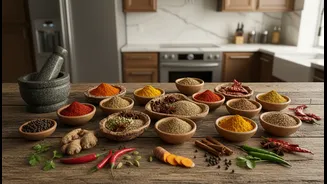
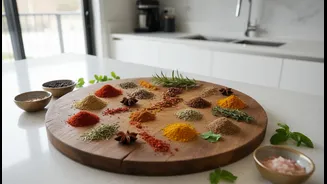
Something exciting is happening in kitchens across India. A quiet, flavourful revolution is taking place, led not by celebrity chefs, but by everyday home cooks. The unwritten rules of the spice box are being joyfully rewritten. For generations, the 'masala
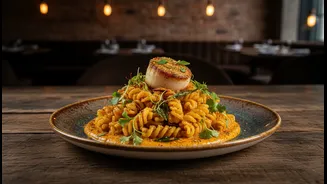
dabba' has been the heart of the Indian kitchen, a carefully curated palette of spices that forms the foundation of our cuisine. But today, that palette is expanding. Home cooks are confidently reaching beyond tradition, pairing the robust, earthy notes of regional Indian masalas with the zesty, herbaceous, and umami-rich profiles of international seasonings. This isn't about replacing the old with the new. It’s about creating a bigger, more vibrant culinary world where Kolhapuri thecha can coexist with Korean gochujang. It’s about a newfound confidence to experiment, to personalize, and to ask, “What if?” What if we sprinkle tangy chaat masala on avocado toast? Or toss pasta in a sauce infused with sambar powder? The answers, as many are discovering, are delicious.
Creativity in Every Pinch
The creative pairings emerging from this trend are as diverse as India itself. In Mumbai, you might find someone stirring a pinch of Goda masala into their aglio e olio pasta for a subtly sweet and spicy kick. In Delhi, a home baker could be folding smoky tandoori masala into bread dough for an inventive savoury loaf. The trend is perhaps most visible with snacks. The universally loved peri-peri seasoning, with its African-Portuguese roots, has been thoroughly embraced and Indianized. It's now a staple for sprinkling over everything from makhana and popcorn to paneer skewers and corn on the cob, offering a fiery, tangy alternative to traditional spice mixes. Similarly, chaat masala has broken free from the confines of street food. Its signature tangy-salty-funky flavour is being used to elevate french fries, simple fruit salads, and even the rim of a cocktail glass, proving its incredible versatility. These combinations are not random; they are thoughtful experiments in flavour, balancing the familiar with the unexpected to create something entirely new and personal.
What’s Driving This Flavour Fusion?
Several factors are stirring this pot of innovation. Firstly, there's unprecedented access. Thanks to the internet and a boom in gourmet food stores, previously exotic ingredients like Japanese furikake or Mexican tajin are now just a click away, no matter where you are. Secondly, our palates have become more global. Through travel, television, and social media, we are exposed to a world of food like never before. Watching a Netflix show about Italian cuisine might inspire a viewer to see how their grandmother's spice blend could enhance a simple tomato sauce. Instagram and YouTube are flooded with food bloggers and home cooks sharing their fusion creations, from Masala Mac and Cheese to Tandoori Quesadillas, inspiring millions to follow suit. But most importantly, this trend is fuelled by a new wave of culinary confidence. Today’s home cooks are less bound by rigid recipes and more empowered to trust their own taste, using tradition as a launchpad for creativity rather than a set of strict instructions.
A Reflection of Modern India
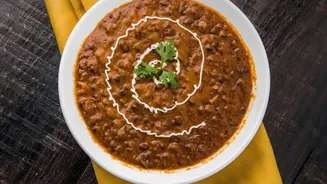
Ultimately, this trend is about more than just food. The blending of local masalas with global seasonings is a delicious metaphor for modern Indian identity itself: deeply rooted in its own rich culture, yet open, curious, and confidently engaging with the world. It’s a move away from the idea of ‘authenticity’ as something static and unchanging, towards a more dynamic understanding of cuisine as a living, evolving language. Each unique blend created in a home kitchen tells a personal story—of travels, of memories, of a family's unique taste. A sprinkle of oregano in a dal might be a nod to a holiday in Italy, while a dash of panch phoron on roasted vegetables could be a tribute to a Bengali friend's cooking. This fusion isn’t about diluting Indian flavours; it's about expanding their range and proving their incredible adaptability.