





The Pervasive Problem of Dampness
The main threat during a monsoon trip isn't just a sudden downpour soaking your bag as you dash into a hotel. The real enemy is persistent, creeping moisture. High humidity, which can hover between 80% and 95%, means that even clothes packed dry can feel
damp and musty within hours. Water can seep into a car's boot during heavy rain, or your bag might be placed on a wet surface without you realising. Even a damp umbrella or raincoat tossed into the car can raise the interior humidity, creating a microclimate that’s hostile to your belongings. This isn't about a single event, but a constant environmental pressure that standard luggage isn't built to handle.
From Nuisance to Trip-Ruiner
A little dampness might seem like a minor inconvenience, but the consequences can quickly escalate. When clothes remain damp, they develop a musty, mildew odour that's impossible to ignore and hard to remove on the road. More critically, moisture is the arch-nemesis of electronics. High humidity can cause condensation inside devices like laptops, cameras, and phones, leading to short circuits, corrosion, and permanent damage. Important documents like passports or hotel bookings can become warped and unreadable. Leather goods can grow mould, and your spare pair of shoes might be soggy and useless when you need them most. What starts as a small oversight can quickly ruin key parts of your trip.
The First Line of Defence: The Outer Layer
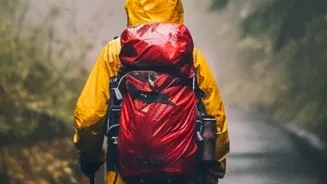
Your first step is to create a strong external barrier. While a hard-shell polycarbonate suitcase is naturally more water-resistant than a fabric one, even they have vulnerable points like zippers. For backpacks and soft-sided bags, an external rain cover is non-negotiable. These covers are lightweight and pack down small, wrapping around the entire bag to shield the fabric and seams from direct rain. This external layer is your primary shield, deflecting the worst of a downpour and keeping your bag from becoming saturated and heavy with absorbed water.
The Inner Sanctum: The Power of Double Packing
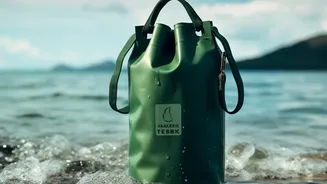
This is where the 'double packing' strategy becomes crucial. An outer cover can't protect your gear from humidity, a leaky water bottle inside your bag, or the moisture that gets in when you open it during a storm. This is why you need a second layer of defence inside your main luggage. Using waterproof sleeves, dry bags, or even high-quality zip-lock bags creates sealed internal compartments. This system isolates your belongings. You can put all your electronics in one dedicated waterproof pouch, your documents in another, and group outfits into larger dry bags. This method not only protects against external water that might breach your outer cover but also contains any internal spills and fights the effects of ambient humidity.
A Smart System for Peace of Mind
Implementing a double-packing system is simple. Start by segregating items by type and vulnerability. Your most sensitive items—electronics and papers—get the most robust waterproof pouches. For clothes, consider using a mix of packing cubes and larger dry bags. Synthetic, quick-dry clothes are ideal for monsoon travel as they are less susceptible to smelling damp and dry quickly if they do get wet. Pack an empty bag specifically for wet or dirty clothes to keep them from contaminating your clean, dry items. Adding a few silica gel packets to your electronics bags and main luggage can also help by actively absorbing excess moisture.
Beyond the Bag: Other Monsoon Must-Haves
While securing your main luggage is the priority, a few other items can make a huge difference. Pack appropriate footwear like rubber sandals or quick-dry sneakers with good grip, as streets can be slippery and flooded. Always have a sturdy, windproof umbrella. A quick-drying microfibre towel is far more practical than a standard cotton one. Finally, choose your clothing wisely. Lightweight synthetic fabrics are better than heavy cotton or denim, which stay wet for a long time and become uncomfortable. Layering is also a smart strategy to adapt to temperature changes after a rainfall.