

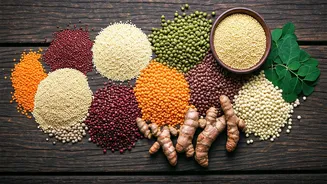


The Superfood Status Symbol
The allure of the exotic is powerful. When a food is imported, expensive, and endorsed by global wellness influencers, it gains a reputation as a 'superfood'. This marketing halo makes us believe that foods like chia seeds, goji berries, and kale possess
near-magical properties. In India, this has led to a surge in demand for these items, with urban grocery store shelves prominently displaying them. The underlying message is subtle but clear: to be truly healthy and modern, one must adopt these Western food trends. This perception often overlooks the fact that the term 'superfood' itself is more of a marketing concept than a scientific classification. As a result, many of us are paying a premium for these ingredients, believing they are essential for our fitness goals.
A Nutritional Reality Check
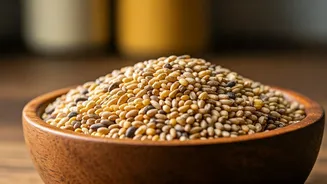
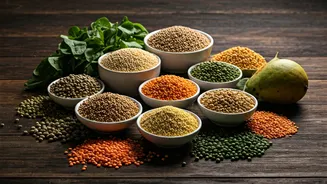
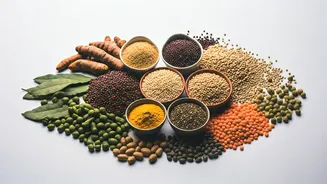
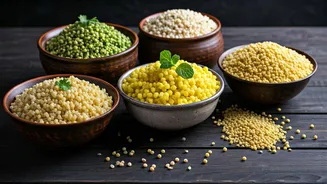
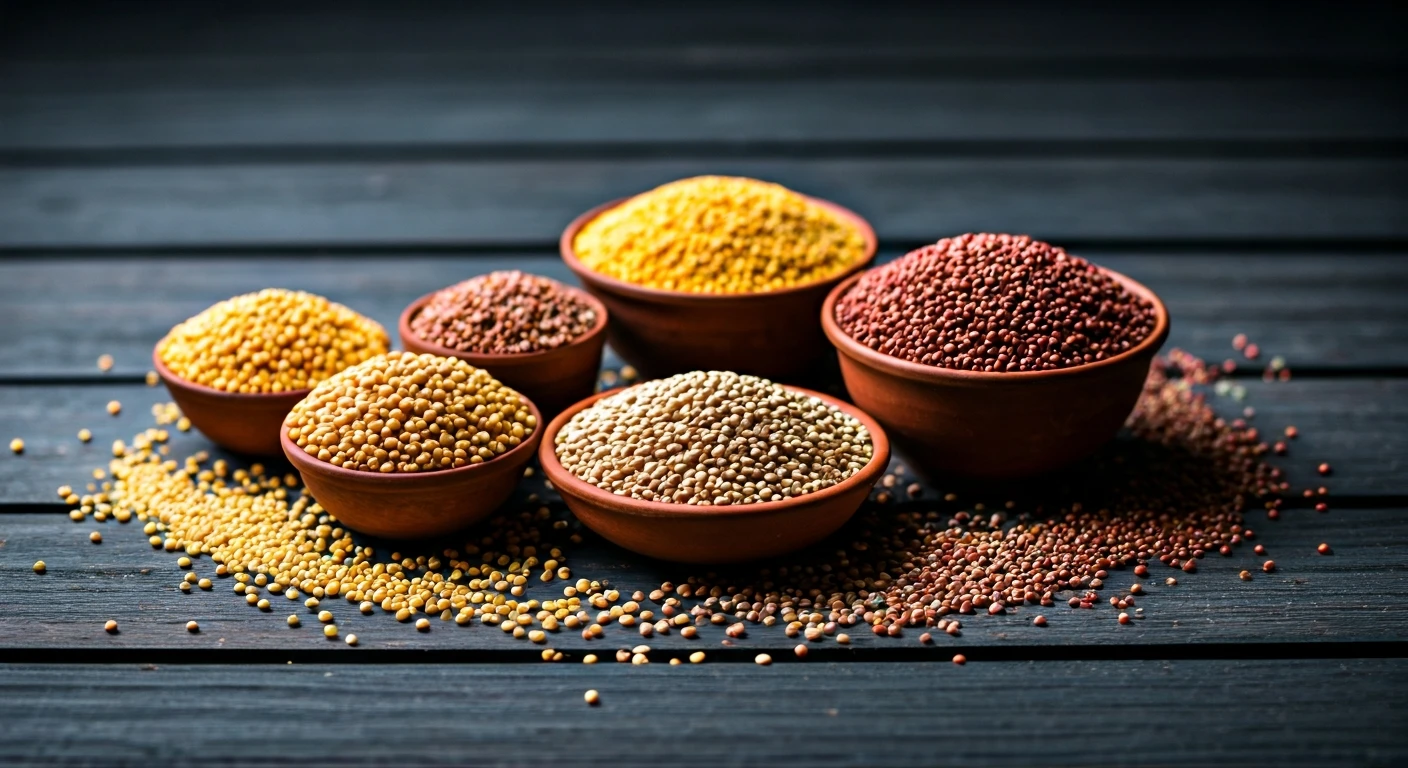
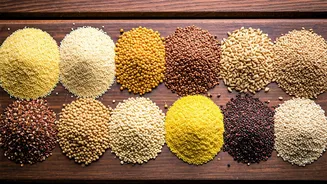
When we move past the hype and look at the actual numbers, the story changes. Many traditional Indian foods are not only comparable but often nutritionally superior to their hyped-up imported counterparts. Let's take quinoa, the poster child of healthy eating. It's praised for being a complete protein. However, Indian millets like bajra (pearl millet) and ragi (finger millet) offer incredible nutritional profiles. Ragi, for instance, contains nearly seven to twenty times more calcium than quinoa, a critical nutrient, especially for Indian women. Similarly, barnyard millet has more than four times the iron content of quinoa, which is significant in a country where anaemia is a public health concern. When it comes to leafy greens, moringa (drumstick leaves) easily outshines kale in iron and calcium content. And the antioxidant-rich acai or blueberries? The humble, affordable amla (Indian gooseberry) has significantly more Vitamin C and has been a cornerstone of Ayurvedic medicine for centuries.
The High Cost of Hype
The financial difference is stark. Quinoa can cost anywhere from four to five times more than locally grown millets. Similarly, imported berries, avocados, and fancy seeds come with a hefty price tag due to shipping, import duties, and branding. This creates a nutritional divide, where healthy eating is perceived as a luxury accessible only to a few. Furthermore, there's an environmental cost. Foods transported from thousands of kilometers away have a much larger carbon footprint than local produce. They also require preservatives to maintain freshness during transit, which might diminish their nutritional value by the time they reach our plates. Supporting local farmers and food systems, on the other hand, strengthens the domestic economy and promotes sustainable agriculture.
The Wisdom in Our Own Kitchens
Traditional Indian dietary wisdom has always emphasized eating local and seasonal foods for a reason. Our ancestors understood that nature provides the right foods for the right season to help our bodies cope with the climate. Summer brings cooling foods like watermelon and cucumber, while winter offers warming, nutrient-dense greens like sarson and methi. This approach naturally ensures dietary diversity throughout the year, which is crucial for a healthy gut microbiome. Even our traditional food pairings, like dal with rice or millet with sambar, are designed to create complete protein profiles, making the 'complete protein' argument for quinoa less unique in an Indian context. The once-demonized ghee is now being recognized globally as a healthy fat that aids digestion and boosts immunity.