







Start with Fresh, High-Quality Ingredients
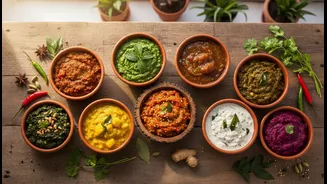
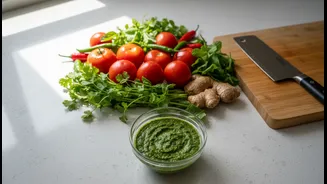
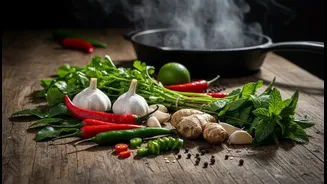
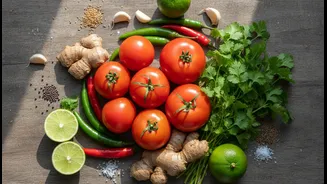
The soul of a brilliant chutney lies in its ingredients. While dried herbs and powders have their place, market-style chutneys thrive on freshness. Use crisp, fresh coriander and mint, and never use old or desiccated coconut, which can ruin the texture
and flavour. For tang, opt for fresh lemon juice, tamarind pulp, or even raw mangoes instead of bottled concentrates. The quality of your chillies also matters; using a mix, such as bright, low-heat Kashmiri chillies for colour and spicier green chillies for a kick, adds complexity. Don't overlook the aromatics like ginger and garlic; fresh is always better for that signature pungent bite.
Master the Grind for Perfect Texture
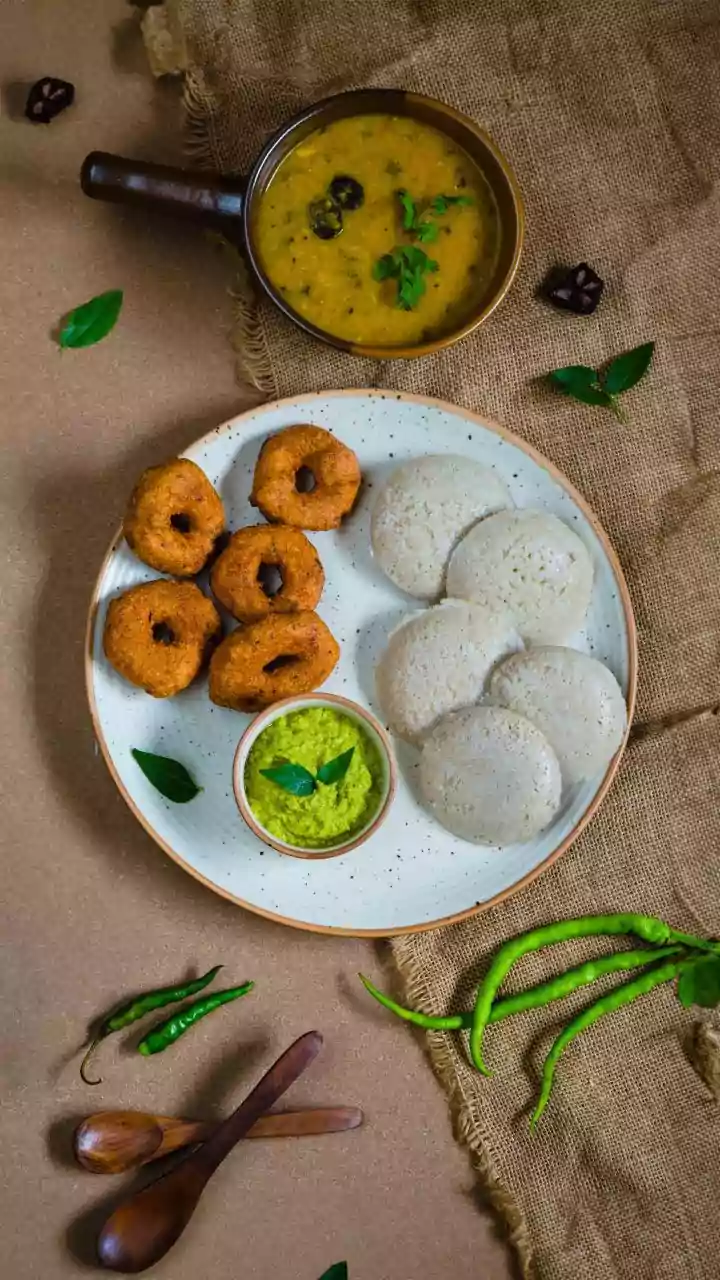
One of the most common home-cooking mistakes is over-grinding the chutney into a liquid puree. Authentic market chutney often has a slightly coarse, inviting texture. Traditionally, this is achieved with a stone grinder (sil-batta). At home, you can replicate this by pulsing the ingredients in a blender or mixer-grinder instead of blending continuously. Be mindful of water; add it a spoonful at a time, just enough to get the blades moving. For some chutneys, like coconut, adding roasted chana dal (pottukadalai) not only adds a nutty flavour but also helps bind the chutney, creating a creamier, less watery consistency.
The Flavour Bomb: Tadka
If your chutney tastes flat despite having all the right ingredients, the missing link is likely the 'tadka' or tempering. This is the technique of blooming whole spices in hot oil or ghee and pouring it over the finished chutney. This simple step is a flavour bomb, adding aroma, crunch, and complexity that transforms a simple paste into a showstopper. A classic South Indian tadka for coconut chutney might include mustard seeds, urad dal, dried red chillies, and curry leaves. Heat the oil until mustard seeds pop, add other ingredients in order, and pour the sizzling mixture over your chutney for an instant upgrade. Be careful not to burn the spices, as this will impart a bitter taste.
The Art of Balancing Flavours
A great chutney is a symphony of sweet, sour, salty, and spicy notes. If your chutney tastes bitter, it could be from over-blending or using old ingredients; a pinch of sugar or a squeeze of lemon juice can help balance it out. If it's too sour, a touch of jaggery or sugar can mellow the tang. Always taste as you go. You can adjust the balance after blending. Don't be afraid to add a little extra salt to make the flavours pop, or a bit more chilli for heat. This final tasting and adjustment step is crucial for achieving that perfectly rounded, restaurant-quality flavour profile.
Preserving Freshness and Colour
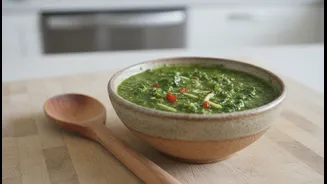
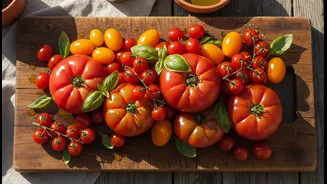
The vibrant green of a fresh coriander-mint chutney can quickly turn a dull brown due to oxidation. To prevent this, add your acid—like lemon juice or tamarind—after blending. Storing the chutney in an airtight glass container in the refrigerator also helps preserve its colour and freshness. For chutneys with a high water content, like those made with tomatoes, simmering them for longer allows excess moisture to evaporate, which not only thickens the chutney but also concentrates the flavour and improves its shelf life. Some cooks even suggest a trick for high-water vegetables: chop and freeze them, then let them defrost in a colander to drain excess water before cooking.