






An Antidote to Digital Life
It’s a familiar scene in modern America: a family gathered in the living room, each person bathed in the cool, blue light of their own device. We’re more connected than ever, yet often feel miles apart. Stargazing offers a powerful, analog antidote. It demands
nothing but your presence. There are no notifications, no scrolling feeds, no urgent emails—just the vast, quiet expanse of the cosmos. This shared experience of looking up, away from the distractions of daily life, creates a unique space for conversation and connection. For children saturated with digital entertainment, the simple act of spotting a constellation or a passing satellite can feel like real-life magic, a tangible wonder that no app can replicate. It’s a reset button for the family mind, trading digital noise for cosmic quiet.
The Underrated Power of Awe
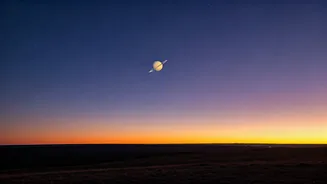
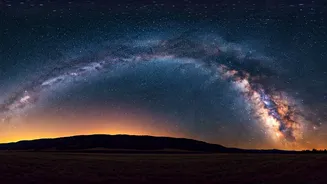
That feeling you get when you see a truly dark sky, peppered with countless stars? Psychologists have a name for it: awe. It’s the emotion we experience when confronted with something vast that transcends our normal frame of reference. Studies have shown that experiencing awe can have profound benefits, from reducing stress and increasing feelings of generosity to making us feel more connected to others and the world around us. When a family shares an awe-inspiring moment—like watching the Perseid meteor shower or catching a glimpse of Saturn’s rings for the first time—it creates a powerful collective memory. It shrinks our day-to-day worries and reminds us that we’re part of something immense and beautiful. These moments are more than just pretty sights; they are exercises in perspective and humility.
An Adventure Waiting in Your Backyard
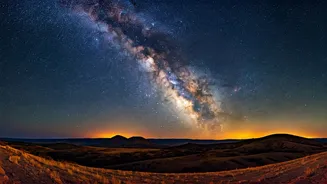
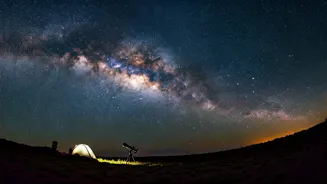
For many, the idea of astronomy conjures images of expensive, complicated telescopes and deep scientific knowledge. But the beauty of stargazing is its accessibility. The adventure can begin on a blanket in your own backyard. You don’t need any equipment to learn the major constellations, track the phases of the moon, or spot the brightest planets like Venus and Jupiter. Recent celestial events, like the 2024 total solar eclipse that captivated millions, have shown that a shared sky-watching experience can be a major cultural event. It fosters a sense of community and wonder that crosses all ages. It transforms a simple evening into a treasure hunt, where the prize is a shooting star or the faint glow of the Milky Way. This low-barrier entry makes it the perfect impromptu activity for any family looking for a little adventure without the hassle of extensive planning or cost.
How to Start Looking Up
Ready to get started? It’s simpler than you think. First, find the darkest spot you can. Even moving to a local park away from streetlights can make a huge difference. Give your eyes at least 15 minutes to adjust to the darkness; you’ll be amazed at how many more stars appear. Second, use technology to your advantage (for once). Apps like SkyView Lite, Star Walk, or NASA's official app use your phone’s camera to identify constellations, planets, and satellites in real-time. Just point your phone at the sky, and it becomes a celestial map. Finally, start simple. Look for the Big Dipper, which can help you find Polaris, the North Star. Watch for the steady, unwavering light of planets, which don’t twinkle as much as distant stars. The key isn't to identify everything, but simply to look, wonder, and share the experience.