

The Rise of the Power Backdrop
In the world of endless video meetings, what’s behind you has become almost as important as what you have to say. A cluttered or distracting background can undermine your professional presence, while a thoughtfully designed space signals organisation
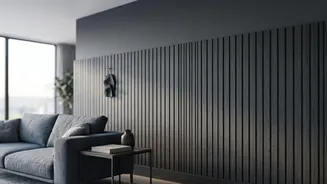
and focus. This has led many work-from-home professionals to rethink their visible wall space, treating it not just as a part of their home, but as a crucial element of their work identity. The goal is to create a backdrop that is simple, intentional, and minimises visual chaos, allowing you to be the focal point of the conversation.
What Exactly Is Colour-Blocking?
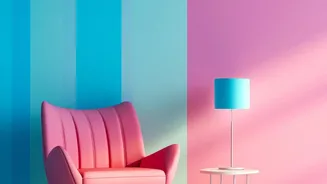
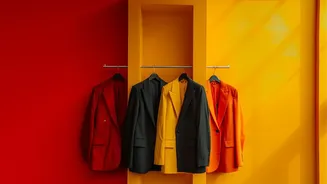
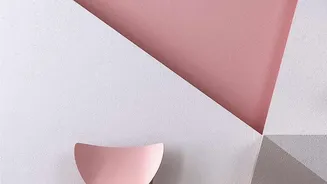
Colour-blocking is an interior design trend that involves using distinct, solid blocks of contrasting or complementary colours to create a bold, graphic statement. Originating in fashion and inspired by artists like Piet Mondrian, the technique has moved into home decor as a powerful way to add personality and structure to a room. This can be as simple as painting two-tone walls, creating geometric shapes like arches or rectangles, or even painting a single feature wall in a vibrant hue. The result is a modern, dynamic look that transforms a plain wall into a deliberate design feature.
The Psychology of Your Background Colour
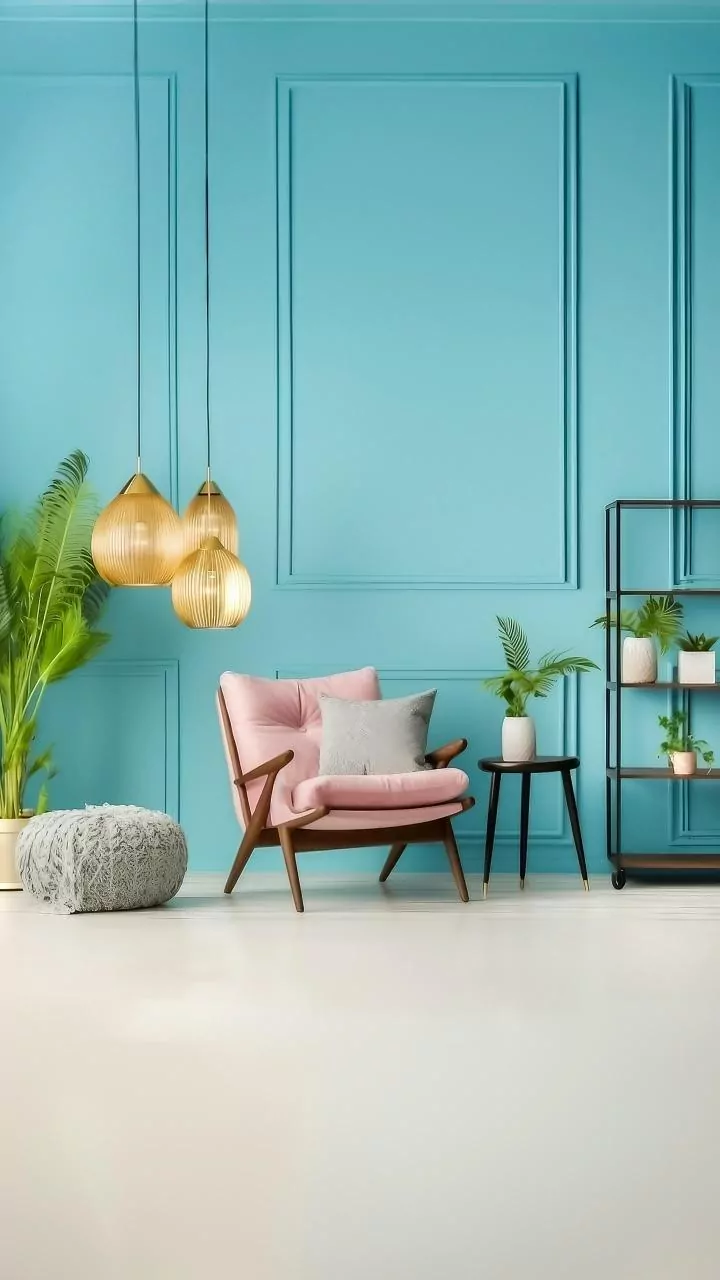
The colours you choose for your backdrop can subtly influence how you are perceived on a call. According to colour psychology, different hues evoke different feelings and can impact productivity and mood. Blue is often recommended for its calming effect, promoting focus and conveying trustworthiness. Green is restful for the eyes, which is ideal for long hours in front of a screen, and suggests balance and growth. Yellows can project creativity and optimism, but should be used carefully to avoid eye fatigue. By selecting a colour palette that aligns with your professional persona, you can create a backdrop that works for you.
Achieving the Look: DIY vs. Wallpaper
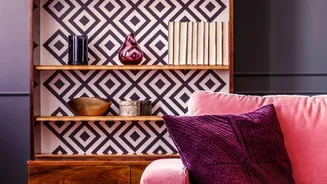
There are two main routes to achieving a colour-blocked wall: painting it yourself or using wallpaper. The DIY approach with paint is cost-effective and offers unlimited customisation. All it takes is high-quality painter's tape to create crisp lines, a level, and your chosen paint colours. You can create simple two-tone splits, geometric patterns, or even free-form shapes. On the other hand, wallpaper offers an instant transformation with professionally designed patterns, including subtle textures like linen or grasscloth that add depth on camera. While potentially more expensive, wallpaper is a quick way to get a polished, intricate design without the manual effort of painting complex shapes.
Popular Palettes for a Professional Edge
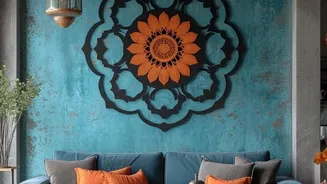
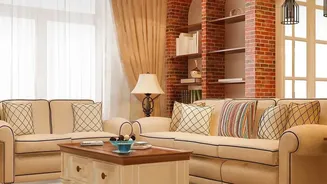
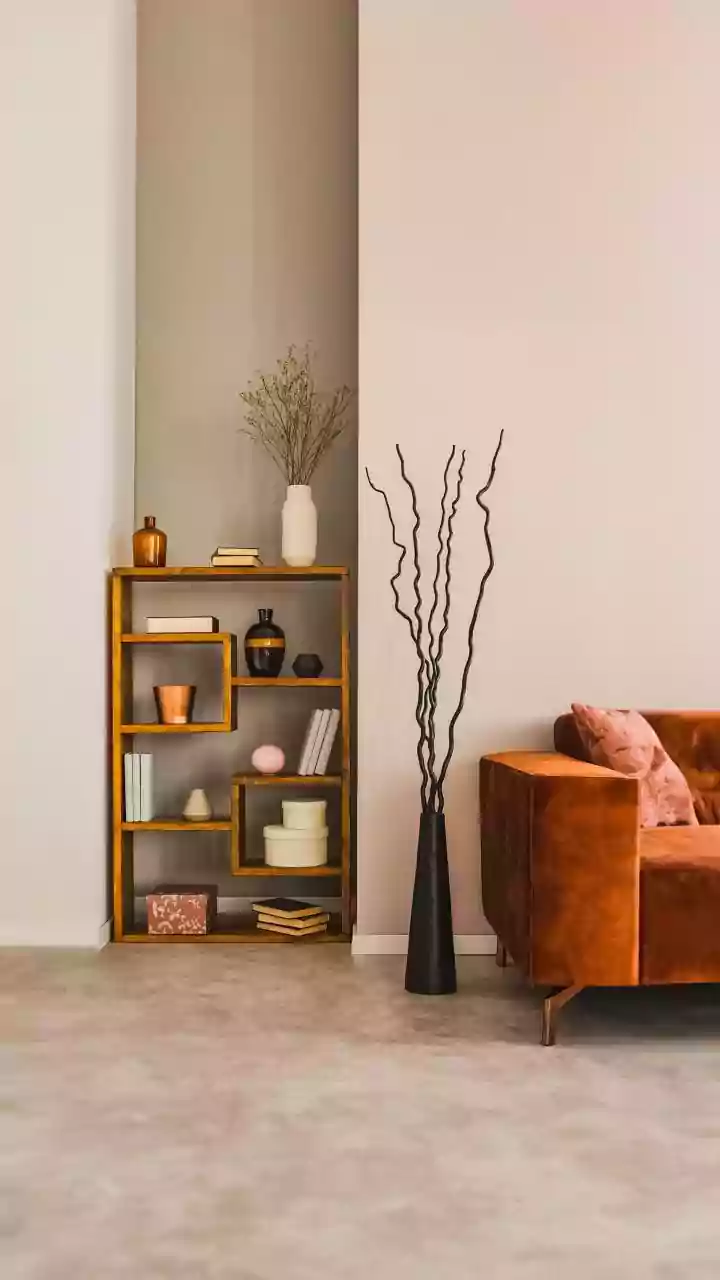
Choosing the right colour combination is key to a successful colour-blocked wall. For a sophisticated and modern feel, consider pairing a neutral base like light grey or beige with a single deep, bold colour like forest green or terracotta. This creates a focal point without overwhelming the space. Other popular combinations include navy blue with ochre for a sense of warmth and authority, or teal with coral for a more creative and energetic vibe. A monochrome approach, using different tones of the same colour, can also create a subtle, layered effect that adds depth and sophistication to your background.
Beyond the Paint and Paper
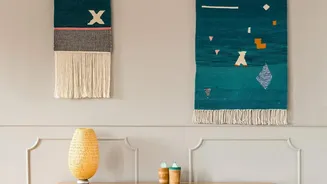
If committing to a full wall feels like too much, you can still embrace the colour-blocking trend. Large, painted art panels, a decorative folding screen, or even strategically organised bookshelves with colour-coded spines can create a similar effect. The goal is to create defined zones of colour. You can even extend the colour from your wall onto furniture, shelving, or the trim to create a cohesive, wrap-around design. These smaller touches can provide that pop of intentional colour that makes your video call background look both neat and thoughtfully designed.