
The Welcoming Savouries
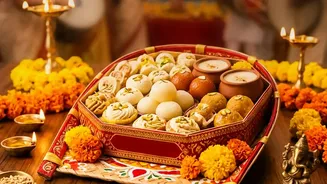
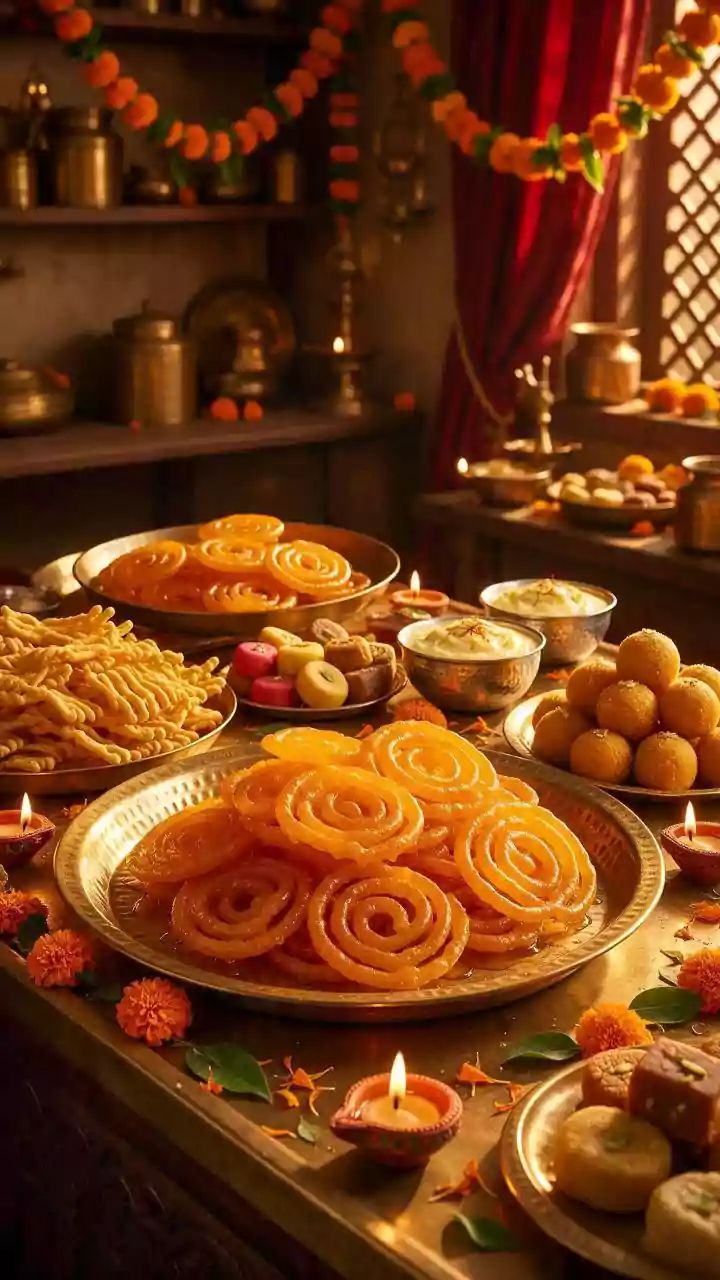
Long before the main meal is served, the spirit of Bijoya is captured in the array of snacks prepared to welcome guests who drop by to exchange greetings. While boxes of store-bought sandesh are common, the true essence of 'mishti mukh' (sweetening the mouth)
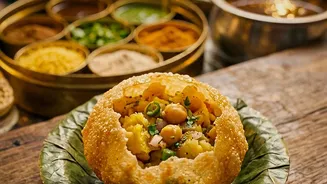
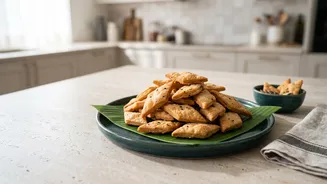
is often accompanied by homemade savouries. Crispy, diamond-shaped nimki, seasoned with nigella seeds, are a quintessential part of the spread. These salty, deep-fried bites are made in large batches and stored in steel containers, ready for the steady stream of visitors. Alongside them, you will often find a bowl of ghugni, a comforting curry made from dried yellow peas. Often cooked without onion or garlic (niramish) and garnished with fried coconut slivers, it serves as a delicious dip for the nimki or is enjoyed on its own.
The Heart of the Feast: Luchi and Mangsho
The centerpiece of a grand Bijoya lunch or dinner is almost always the hallowed combination of luchi and kosha mangsho. Luchi are deep-fried, fluffy white breads made from refined flour that puff up into glorious, delicate orbs. They are the perfect vehicle for mopping up the rich, dark gravy of kosha mangsho, a slow-cooked mutton curry. This isn't just any curry; it's a labour of love, where mutton pieces are browned and simmered for hours with onions, ginger, garlic, and a blend of spices until the meat is tender and the gravy is thick and clings to every piece. The aroma itself is enough to signal that a celebration is underway. For many families, this meal marks the official end of the Puja festivities and the return to non-vegetarian fare after the vegetarian offerings of Ashtami.
A Celebration of Fish
No Bengali celebration is truly complete without fish, and Bijoya Dashami is no exception. While kosha mangsho often takes the spotlight, a fish preparation is a must. The prized Hilsa, or Ilish, often makes a grand appearance. A classic preparation is Bhapa Ilish, where the fish is steamed with a pungent paste of mustard and green chillies, a dish that is both delicate and powerful. Another popular choice is Chingri Malai Curry, a luxurious dish of prawns cooked in a creamy coconut milk gravy that is reserved for special occasions like weddings and Bijoya. These fish dishes add another layer of flavour and tradition to the elaborate spread, representing the bounty of Bengal's rivers.
The Essential Vegetable Accompaniments
To balance the richness of the meat and fish, a variety of vegetable dishes, or 'torkari', grace the table. Aloo'r Dum, a spicy potato curry, is a classic partner to luchi, sometimes served instead of or alongside the mangsho. Another fixture is Cholar Dal, a sweet and savoury lentil dish made with chana dal, often studded with fried coconut pieces and raisins, which provides a comforting sweetness. You might also find 'bhajas' or fried vegetables, such as Beguni (batter-fried eggplant slices) or Jhurjhure Aloo Bhaja (crispy, thread-like fried potatoes), which add a delightful crunch and texture to the meal. These vegetable dishes are not mere sidekicks but integral components that make the meal a complete, balanced experience.
Rice, Pulao, and the Final Flourish
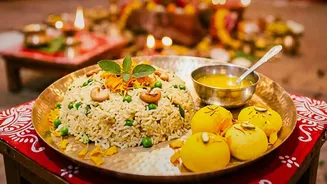
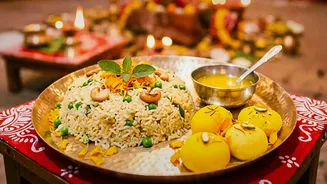
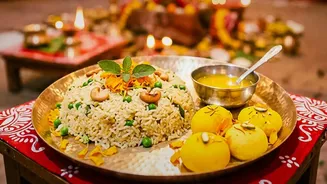
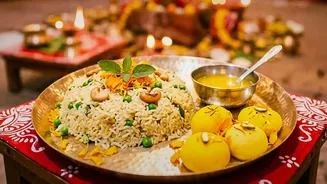
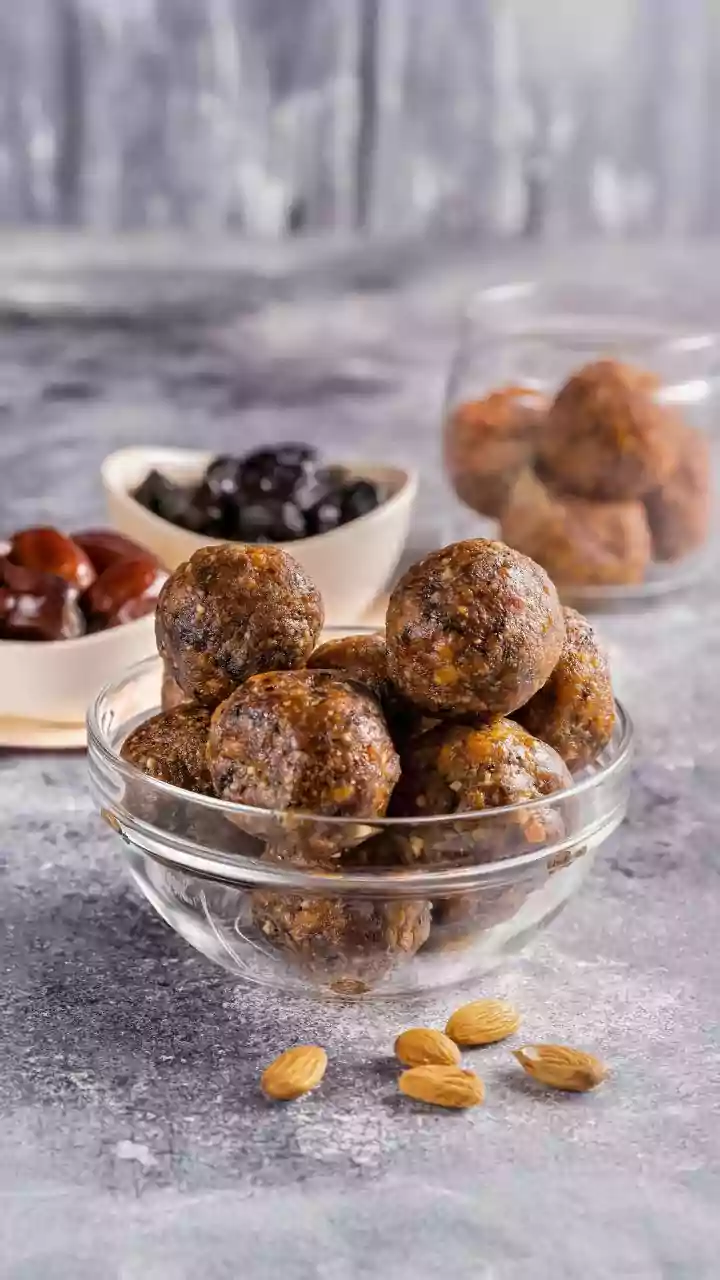
While luchi is a star, rice is never far away. A simple Ghee Bhat (rice tossed with ghee) or a more elaborate Mishti Pulao, fragrant with whole spices and tinged with a little sugar, often finds its place on the platter. This ensures that every last drop of the delicious gravies from the mangsho and fish curries is savoured. The meal typically concludes not just with sweets, but with a tangy chutney. A Khejurer Aamshotto Chutney, made from dates and dried mango leather, provides a sweet and sour finish that cleanses the palate before the sweets are brought out. It’s this thoughtful progression of flavours, from salty snacks to rich curries and a tangy finale, that defines the homemade Bijoya spread.