






The Pan-India Phenomenon
The driving force behind the budget boom is the 'pan-India' model. Pioneered by epics like the 'Baahubali' series, this strategy involves creating films with such grand scale and universal themes that they can be dubbed into multiple languages and released
simultaneously across the country. The goal is to transcend regional boundaries and capture a unified national audience. This approach has seen films from the South, like 'Pushpa', not only succeed but dominate the Hindi-speaking market, proving that content, when packaged as a large-scale event, can erase linguistic lines. In 2026, this is no longer an experiment but the default template for any film with blockbuster ambitions, uniting industries from Telugu and Tamil to Kannada and Hindi cinema in a shared hunt for a national audience.
A Slate of Spectacles
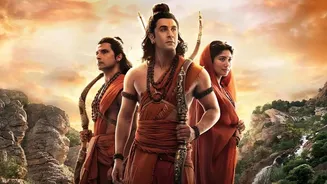
The 2026 release calendar is brimming with projects that underscore this trend. Highly anticipated films like Nitesh Tiwari’s mythological epic 'Ramayana', reportedly one of the most expensive Indian films ever made, are leading the charge. It’s joined by other massive productions such as 'King' starring Shah Rukh Khan, and 'Toxic' featuring Yash of 'KGF' fame. These films, alongside sequels to established franchises like 'Drishyam 3', aren't just movies; they are marketed as must-see theatrical events. The sheer investment in visual effects, star power, and marketing for these projects indicates a clear industry belief: the future of theatrical revenue lies in creating experiences that cannot be replicated on a streaming service at home.
The High-Stakes Economic Gamble
With budgets reportedly soaring into hundreds of crores, the financial risks are immense. These films require colossal box office returns not just to be profitable, but to break even. The industry is effectively locked in an arms race, where each new blockbuster needs to be bigger and more spectacular than the last to capture audience attention. This economic model places enormous pressure on a film's opening weekend and relies heavily on star power to guarantee initial footfalls. While a successful blockbuster can generate enormous profits and support the ecosystem, a few high-profile failures could have a chilling effect on the entire industry, making investors wary and potentially shrinking the space for mid-budget or experimental films. Analysts note that only a small percentage of films become truly profitable, making each big-budget bet a significant gamble.
Is Bigger Always Better?
This focus on scale has sparked a debate about its impact on storytelling. Some analysts and writers express concern that in the race to create a pan-Indian spectacle, filmmakers might resort to formulaic plots and repetitive storytelling, prioritising action and VFX over narrative depth. The fear is that a reliance on a handful of bankable stars and grand visuals could lead to a homogenization of content, where films from different regions start to feel interchangeable. The poor performance of several pan-Indian films in 2025 has already highlighted this risk, suggesting that audiences still crave strong, universal stories, and that spectacle alone is not a guarantee of success. The most successful films are those that manage to balance their epic scale with a compelling, rooted narrative that connects with viewers on an emotional level.
The Future Is Multipolar
Despite the risks, the big-budget trend confirms a major power shift in Indian cinema. The idea of Bollywood as the sole centre of the industry is obsolete. The box office is now a genuinely multipolar landscape where a blockbuster can emerge from Mumbai, Hyderabad, Chennai, or Bengaluru with equal likelihood. This has created a more competitive and arguably more dynamic environment. Regional cinemas are gaining a larger share of the national box office, not just with dubbed films but by creating content that resonates widely. As multiplex chains expand beyond metros, they are betting on this diverse pipeline of content to fill seats, confident that the shared theatrical experience remains a powerful draw that streaming cannot replace.