

Meet the Contenders: A Family Mix-Up
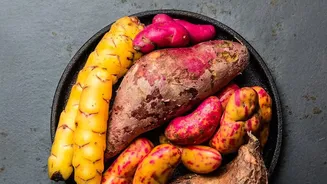
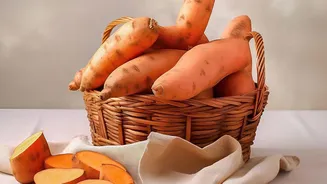
First, let's clear up a common misconception: they aren't closely related. The sweet potato is a tuber, a starchy root that grows underground and belongs to the morning glory family. Butternut squash is technically a fruit, a type of winter squash that grows on a vine
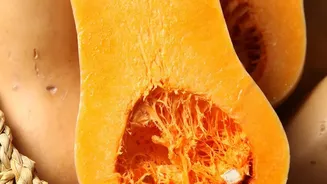
above ground. This fundamental difference in how and where they grow is the starting point for their unique characteristics in the kitchen. A sweet potato is dense all the way through, while a butternut squash has a solid 'neck' and a hollow, seeded cavity at its base that needs to be scooped out.
Taste and Texture: The Core Distinction
This is where the two diverge most significantly. Sweet potatoes are noticeably sweeter and starchier. When cooked, their flesh becomes dense, creamy, and soft. This makes them ideal for dishes where you want a fluffy or substantial texture. Butternut squash, on the other hand, has a milder, nuttier, and more savory flavour. It also contains more moisture, which means its texture is less starchy and becomes silkier when cooked. When roasted, a sweet potato can achieve a creamy interior and caramelized edges, while butternut squash becomes soft and tender.
A Nutritional Showdown
Both are nutritional powerhouses, but they excel in different areas. If calories and carbohydrates are your focus, butternut squash is the clear winner, with less than half the calories and carbs of a sweet potato per cup. A cup of cooked butternut squash has around 82 calories and 22 grams of carbs, while the same amount of sweet potato has about 180 calories and 41 grams of carbs. However, sweet potato fights back with significantly more Vitamin A, potassium, and slightly more protein and Vitamin C. Both are excellent sources of fibre, with each providing about 6.6 grams per cooked cup.
Kitchen Prep: Ease of Handling
When you're short on time, the prep work can be a deciding factor. Sweet potatoes are generally easier to handle. Their thin skin can be removed easily with a standard vegetable peeler, and for many recipes like roasting, the skin can be left on after a good scrub. Butternut squash has a notoriously tough, thick skin that can be a workout to peel. Many cooks opt for pre-cut squash to save time and effort. Once peeled, however, the seedless neck of the squash is very easy to chop into uniform cubes.
Best Uses for Sweet Potato
The sweet potato’s starchy, dense nature makes it the star in specific applications. Its structure is perfect for making fries and wedges, as it can hold its shape and get crispy on the outside while remaining fluffy inside. It's also the go-to for baked 'potatoes,' hearty mashes, and layered dishes like gratins or casseroles where you need the slices to maintain some integrity. Its pronounced sweetness also makes it a natural fit for classic desserts like sweet potato pie.
Best Uses for Butternut Squash
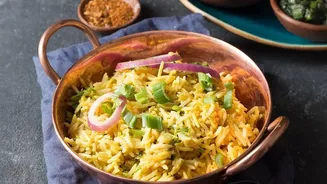
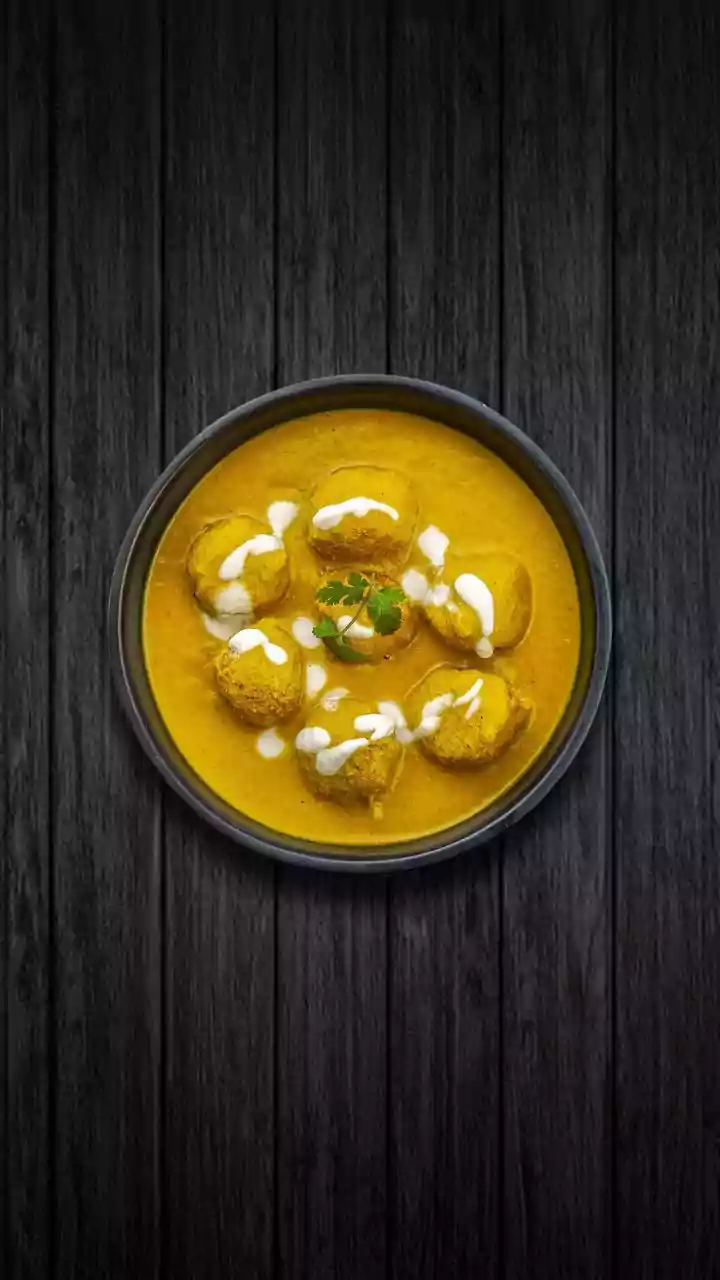
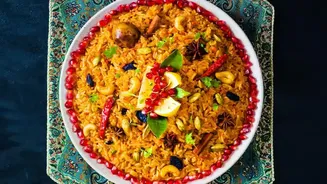
Butternut squash’s high moisture content and silky texture make it the undisputed champion of puréed soups, where it blends into a velvety, smooth consistency. Its milder, nuttier flavour works beautifully in savory dishes like risotto, curries, and pasta fillings. Roasted butternut squash cubes are a fantastic addition to salads and grain bowls because they become tender without turning to complete mush. It is also commonly stuffed and baked as a main course.
So, Can You Substitute One for the Other?
The answer is: it depends. In puréed soups, mashes, and some casseroles, they can often be used interchangeably, though the final dish's sweetness and texture will change slightly. A soup made with sweet potato will be thicker and sweeter than one made with butternut squash. For applications where texture is critical, it's best to stick to the recipe. Butternut squash has too much water to make good fries, and sweet potato can be too dense and sweet for a delicate risotto. Think of them less as direct substitutes and more as partners with their own unique strengths.