
Start with the Aroma
Your nose is your first and most reliable tool in the quest for fresh sweets. High-quality mithai should have a pleasant, inviting fragrance. Lean in and take a gentle sniff. Fresh sweets made with pure ghee will have a rich, nutty, and slightly buttery
smell. If the sweets are spiced, you should be able to detect the delicate notes of cardamom, saffron, or rosewater. The primary red flag is a sour, stale, or musty odour. This could indicate that the base ingredients, like khoya (milk solids) or the fats, have gone bad. Rancid ghee or oil will have a sharp, crayon-like smell that is hard to miss. If a sweet smells chemical-like or has no scent at all, it might be a sign of adulteration or the use of artificial essences to mask poor quality.
Assess the Texture and Appearance
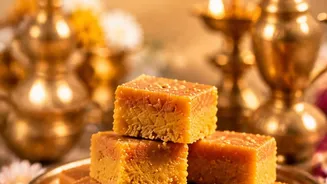
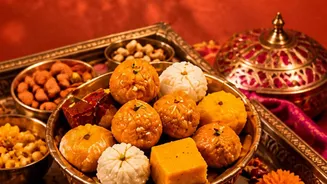
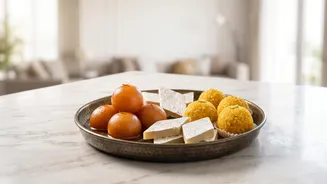
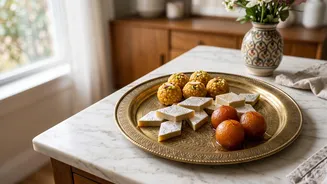
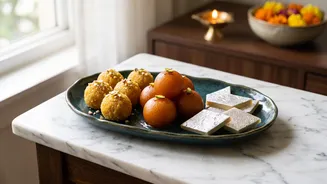
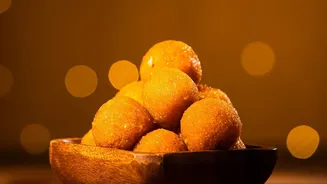
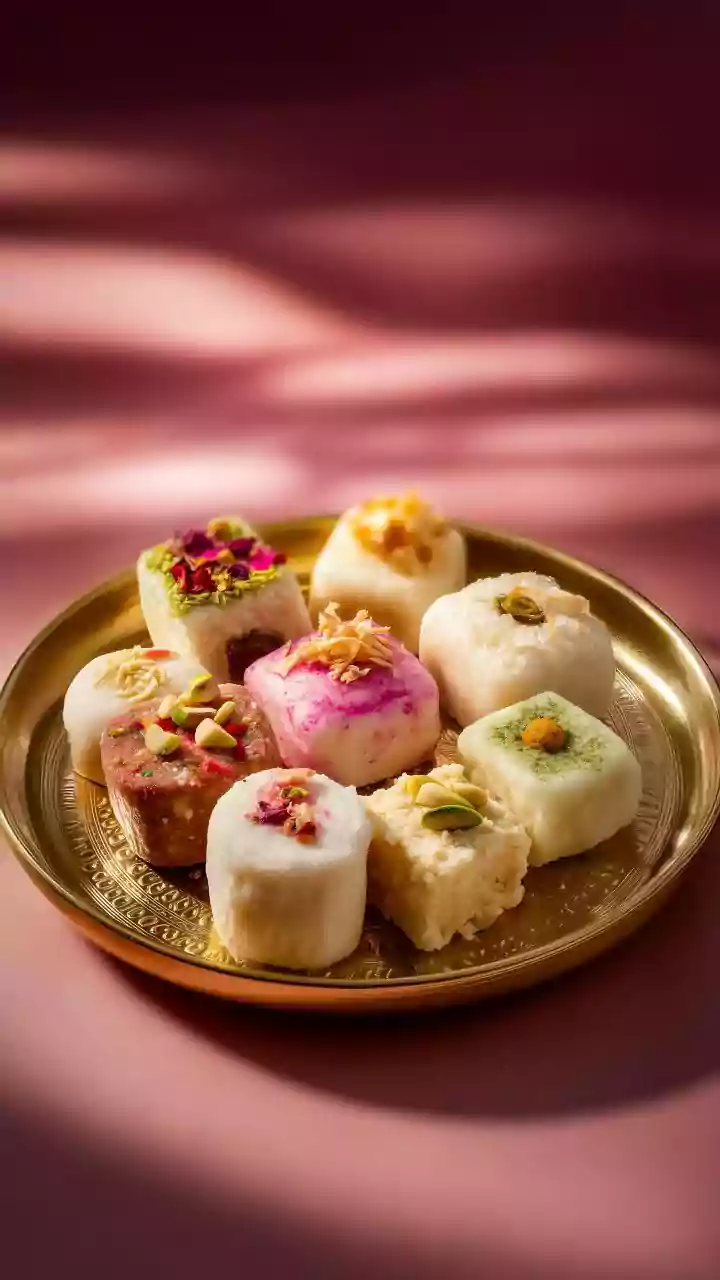
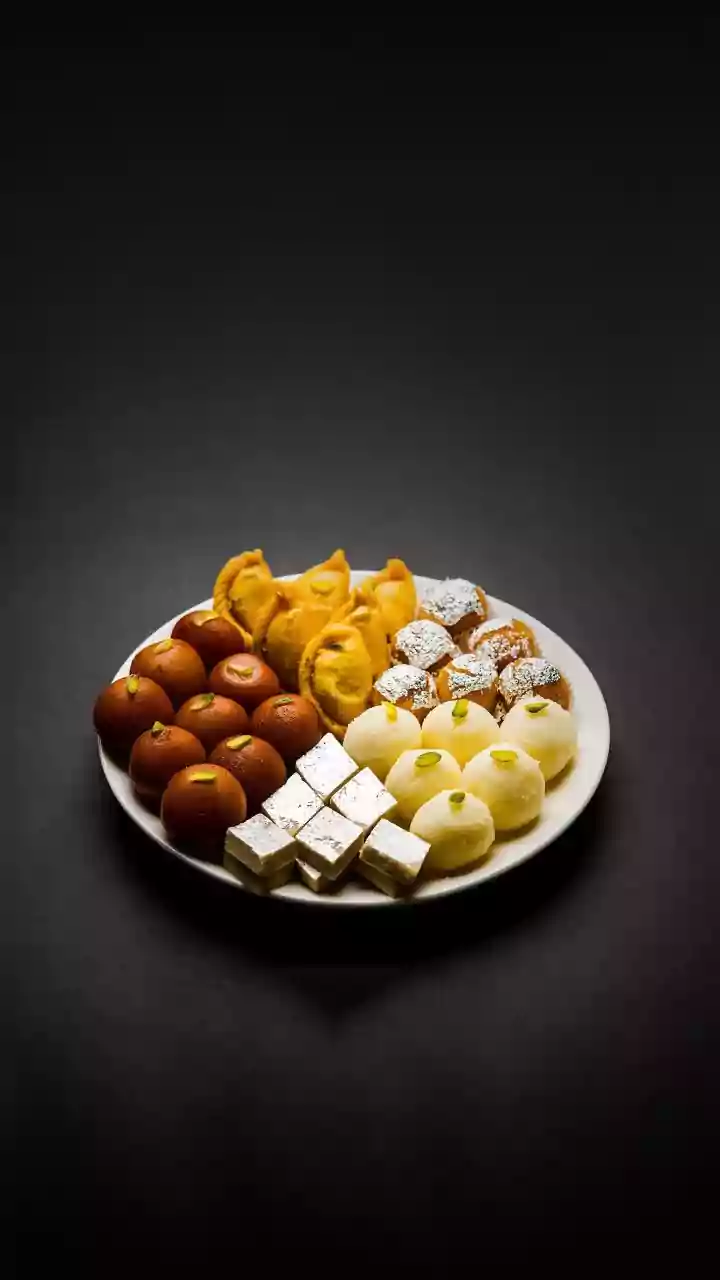
Next, pay close attention to how the sweets look and feel. Fresh mithai should appear vibrant and moist, not dry or discoloured. For khoya-based sweets like barfi or peda, the texture should be soft and have a slightly grainy feel when rubbed between your fingers, leaving a greasy residue from the natural fats. If it feels sticky, slimy, or overly dry and crumbly, it's best to avoid it. Ladoos should hold their shape but yield to gentle pressure, not feel hard as a rock. Similarly, Kaju Katli should have a smooth, uniform ivory appearance, not a tacky surface or cracks. Also, look out for any unnatural whiteness, which could suggest the use of starch or other adulterants instead of pure milk solids. Finally, any visible mold—grey, green, or black spots—means the entire batch is compromised and should be discarded immediately.
The Ultimate Judge: Taste
If the vendor allows, tasting a small sample is the definitive test. A fresh sweet will have a clean, balanced flavour. Milk-based sweets should taste rich and creamy. If you detect any sourness or a lingering bitter aftertaste, the ingredients are likely stale. Nuts like pistachios and almonds used in the sweets should taste fresh and crunchy, not soft or rancid. Stale nuts can ruin the flavour profile of an otherwise well-made sweet. Be particularly wary of sweets that taste overly sweet, as excessive sugar can sometimes be used to mask the flavour of old or inferior ingredients. The edible silver leaf, or 'vark', used for decoration should also be genuine; when rubbed, real silver foil dissolves into the skin, whereas fake aluminium foil will roll into a small ball.
Smart Buying Habits
Beyond using your senses, a few smart practices can guarantee freshness. Always buy from reputable, trusted sweet shops known for their quality and high turnover, as they are more likely to have freshly made batches. Don't hesitate to ask the vendor when the sweets were made. A reliable seller should be transparent about their products. During peak festival times, the demand for khoya soars, which can lead to adulterated versions entering the market. Sticking to familiar and hygienic shops reduces this risk. Be cautious of unusually low prices, as they can be a sign of compromised quality. When buying pre-packaged sweets, always check the manufacturing and expiry dates. For sweets with a short shelf life, like those made with fresh cheese (chhena) such as Rasgulla, it's best to buy them on the day you plan to consume them.