



Embrace a Slower Rhythm
The first step to a better Kinnaur trip is a mental one: slow down. The region's high altitude, winding roads, and serene culture are not designed for haste. Rushing from one viewpoint to the next will leave you tired and with a superficial sense of the place.
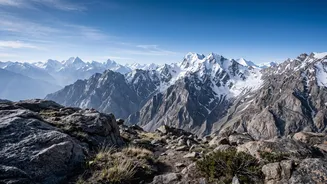
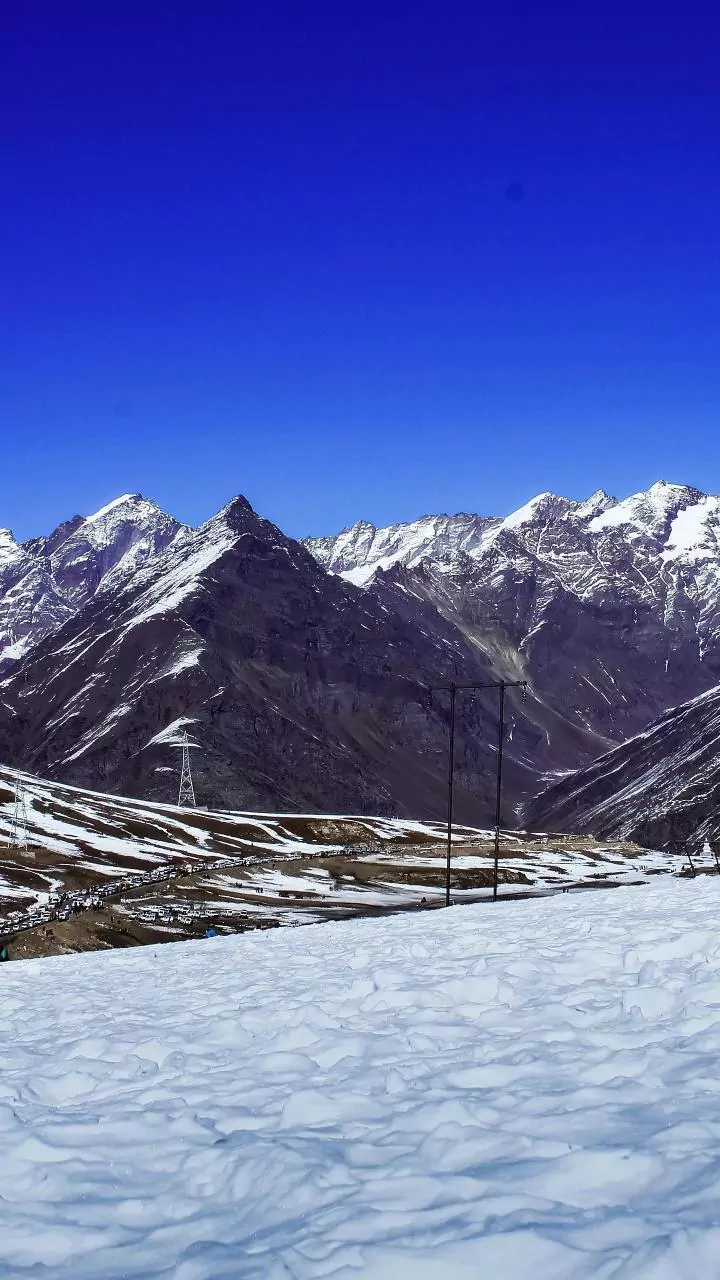
The magic of Sangla and Kalpa lies in the quiet moments: watching the morning light hit the Kinner Kailash range, sipping tea while overlooking an apple orchard, or taking an unplanned walk through a village. Give yourself permission to do less. A 5-to-7-day itinerary is ideal to do justice to this circuit without feeling perpetually in transit. This allows for buffer days in case of unpredictable road conditions and time to truly soak in the atmosphere.
Sangla Valley: More Than a Day Trip
Many visitors make the mistake of treating Sangla Valley as a quick stop. Instead, plan for at least two nights here. This gives you a full day to explore its gems without a hurried schedule. Start with Kamru Fort, a remarkable tower-like structure that requires a short walk through Kamru village. You must wear the provided Kinnauri cap and waist sash to enter the complex, a sign of respect for the local deity, Kamakhya Devi. Later, instead of just driving through, spend quality time in Chitkul, famously known as the last inhabited village on this old Indo-Tibet trade route. Walk along the crystal-clear Baspa River, have a meal at one of its small eateries, and absorb the unique end-of-the-road feeling. The villages of Rakcham and Batseri also offer quiet lanes and a glimpse into traditional Kinnauri life and architecture.
The Journey to Kalpa: An Experience in Itself
The drive from Sangla to Kalpa, approximately 40-50 km, takes about two to three hours but is a scenic highlight of the trip. The road winds down from the Baspa Valley to meet the Sutlej River at Karcham before ascending again towards Reckong Peo, the district headquarters of Kinnaur. Peo is a practical stop for fuel, ATMs, or any supplies you might need, as facilities in Kalpa are more limited. From Peo, it's a short but steep drive up to Kalpa. This journey offers dramatic, shifting perspectives of the landscape, from the lushness of Sangla to the rugged, imposing mountains that frame Kalpa. Don’t rush it; the changing scenery is part of the destination.
Kalpa: Waking Up to Kinner Kailash
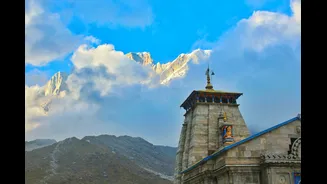
Kalpa is all about the view. Its main attraction is the staggering, direct panorama of the Kinner Kailash range. The best thing you can do here is to wake up early and watch the sunrise paint the sacred peaks in hues of gold and orange. Choose a hotel or homestay that offers an unobstructed view from your room or balcony; it is the quintessential Kalpa experience. Once you’ve had your fill of the view, take a leisurely walk through the village. Visit the Narayan-Nagini Temple, a beautiful example of traditional Kinnauri woodwork, and the serene Hu-Bu-Lan-Kar Monastery. A popular, easy excursion is the walk or drive towards Roghi village, which passes the famous 'Suicide Point', a vertical cliff drop offering thrilling views. Kalpa is a place for contemplation, not a checklist.
Practical Tips for a Relaxed Journey
To ensure a smooth and unhurried trip, a little planning goes a long way. If traveling during peak season (April-June and September-October), book your accommodations in advance, especially in popular spots like Chitkul and Kalpa. If you are not driving yourself, consider hiring a local taxi driver. They are experts on the terrain, know the road conditions, and can share insights that guidebooks miss. Always carry a valid photo ID, as it is required at checkpoints, particularly near Chitkul. Finally, keep your itinerary flexible. A landslide or a sudden snowfall can alter plans. Embrace it as part of the adventure, giving you an unexpected opportunity to explore a place for a little longer.