







The Big Idea: Tourism as a Jobs Engine
For years, tourism's success was measured in arrivals. Now, the government is reframing it as a decentralised economic driver, second only to agriculture in its potential to create employment. This new push, often discussed in the context of recent national
budgets, is not just one policy but a strategic vision. It aims to ensure that the economic benefits of tourism reach local communities directly, fostering inclusive growth. The core idea is to transform the sector into a well-oiled machine that generates livelihoods across a wide range of areas, from hospitality and transport to handicrafts and local food services. The goal is ambitious: to increase tourism's contribution to the national economy significantly by 2047, creating a more resilient and broad-based industry.
Beyond the Taj: Developing New Destinations
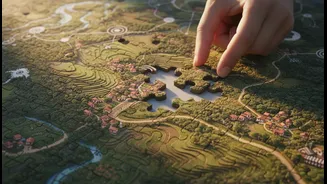
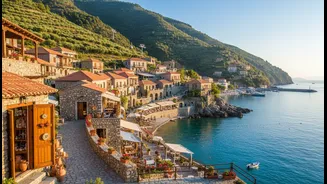
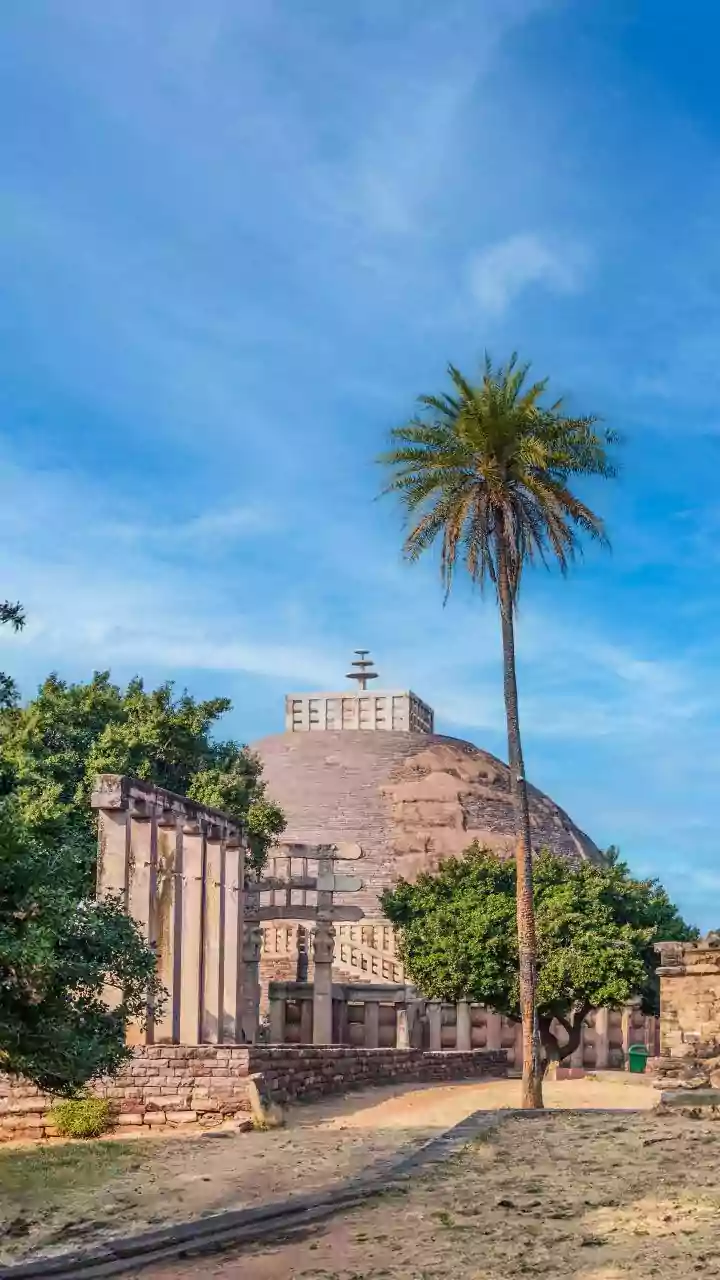
A key pillar of this strategy is moving beyond the handful of world-famous monuments that have traditionally dominated India's tourism map. Through initiatives like Swadesh Darshan 2.0 and the Vibrant Villages Programme, the focus is shifting to holistic, destination-centric development. Swadesh Darshan 2.0, an evolution of an earlier scheme, aims to develop sustainable and responsible tourism destinations with a strong emphasis on community involvement and preserving cultural heritage. This means identifying lesser-known locations and providing the infrastructure—like better roads and connectivity—to make them accessible, while also ensuring the development is eco-friendly. Similarly, the Vibrant Villages Programme focuses on developing infrastructure and tourism potential in border villages, aiming to create local livelihoods and reduce out-migration.
Empowering Local Businesses and Artisans
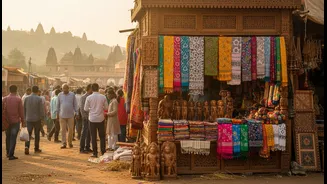
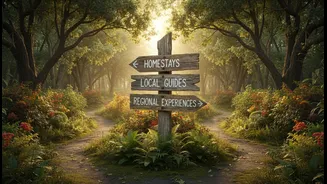
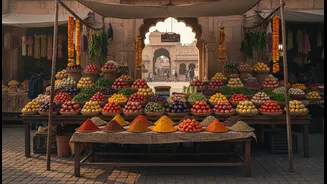
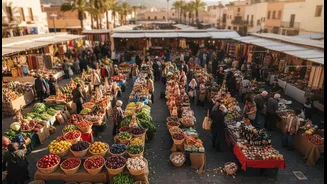
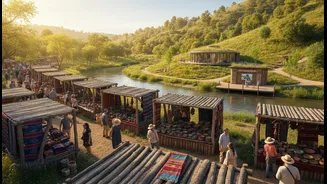
This new model is designed to put local entrepreneurs at its heart. Instead of benefits being concentrated in large hotel chains, the strategy promotes homestays, local guides, and markets for regional crafts and products. Schemes like the Vibrant Villages Programme actively encourage community-managed homestays and support local fairs and festivals to attract visitors and showcase indigenous culture. The promotion of concepts like 'One Village, One Product' helps create a unique identity for local economies. Furthermore, proposals to provide MUDRA loans for setting up homestays are aimed at giving small entrepreneurs the financial support they need to participate in the growing tourism economy. This focus directly fuels small and medium-sized enterprises, which form the backbone of the Indian economy.
Skilling for a New Era of Hospitality
A world-class tourism industry requires a world-class workforce. Recognizing this, the government is investing heavily in skill development. Recent budget announcements include a pilot scheme to upskill 10,000 tourist guides across 20 iconic destinations, with training provided in collaboration with top management institutes. The course curriculum focuses on local culture, history, and eco-tourism practices, ensuring guides become true ambassadors for their regions. On a larger scale, there are plans to upgrade the National Council for Hotel Management and Catering Technology into a National Institute of Hospitality, which will act as a bridge between academia, industry, and government to train skilled professionals for the sector. Another innovative step is the creation of a National Destination Digital Knowledge Grid, which will digitally document places of cultural and historical significance, creating new jobs for researchers, content creators, and tech partners.
Challenges on the Path to Success
While the vision is compelling, the road ahead has its challenges. Developing infrastructure in remote and ecologically sensitive areas requires careful planning to avoid the pitfalls of over-tourism. Ensuring quality control and standardisation across thousands of new homestays and small businesses will be a significant undertaking. There is also the challenge of balancing development with the authentic preservation of local cultures. As new destinations become popular, they risk losing the very charm that made them attractive in the first place. Successful implementation will depend on a sustained, collaborative effort between the central government, state bodies, private players, and, most importantly, the local communities whose lives and environments are at the heart of this ambitious national project.