




Welcome to the Era of Sleep Tourism
The idea of traveling somewhere just to sleep might sound like an expensive nap, but 'sleep tourism' is one of the fastest-growing sectors in the wellness industry. It's a deliberate move away from the exhausting, see-everything vacation model. Instead
of returning home more tired than when you left, the goal is genuine restoration. This isn't just about hotels offering a fancy pillow menu; it involves entire retreats and resort packages designed to improve sleep quality through curated environments. Think blackout curtains, soundproofed rooms, guided meditations, spa treatments that promote relaxation, and even sessions with sleep coaches. The global sleep tourism market is already valued in the hundreds of billions of dollars and is projected to grow significantly, signaling a major shift in what people seek from a getaway.
The Burnout Generation Logs Off
So, who is checking in for these snooze-centric escapes? Overwhelmingly, the trend is being driven by millennials. Often called the 'burnout generation,' they entered the workforce during economic instability, were saddled with debt, and came of age in the hyper-connected, always-on era of social media and hustle culture. For years, wearing exhaustion like a badge of honor was the norm. Now, the generation that once glorified all-nighters is waking up to the severe costs of chronic sleep deprivation, from increased anxiety to a higher risk of physical health problems. Prioritizing sleep has become a radical act of self-care and a quiet rebellion against a culture that equates constant activity with success. They are trading sleepless nights for sustainable well-being, and travel is the next frontier.
The Allure of Altitude and Quiet
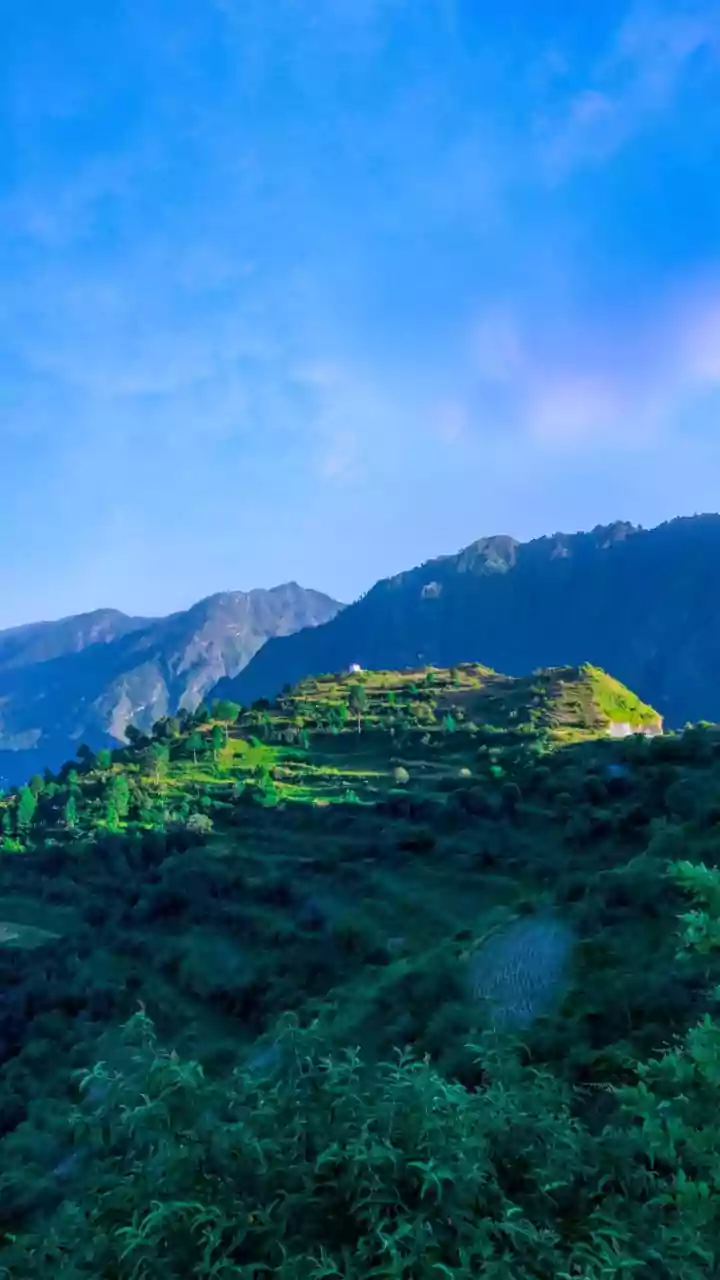
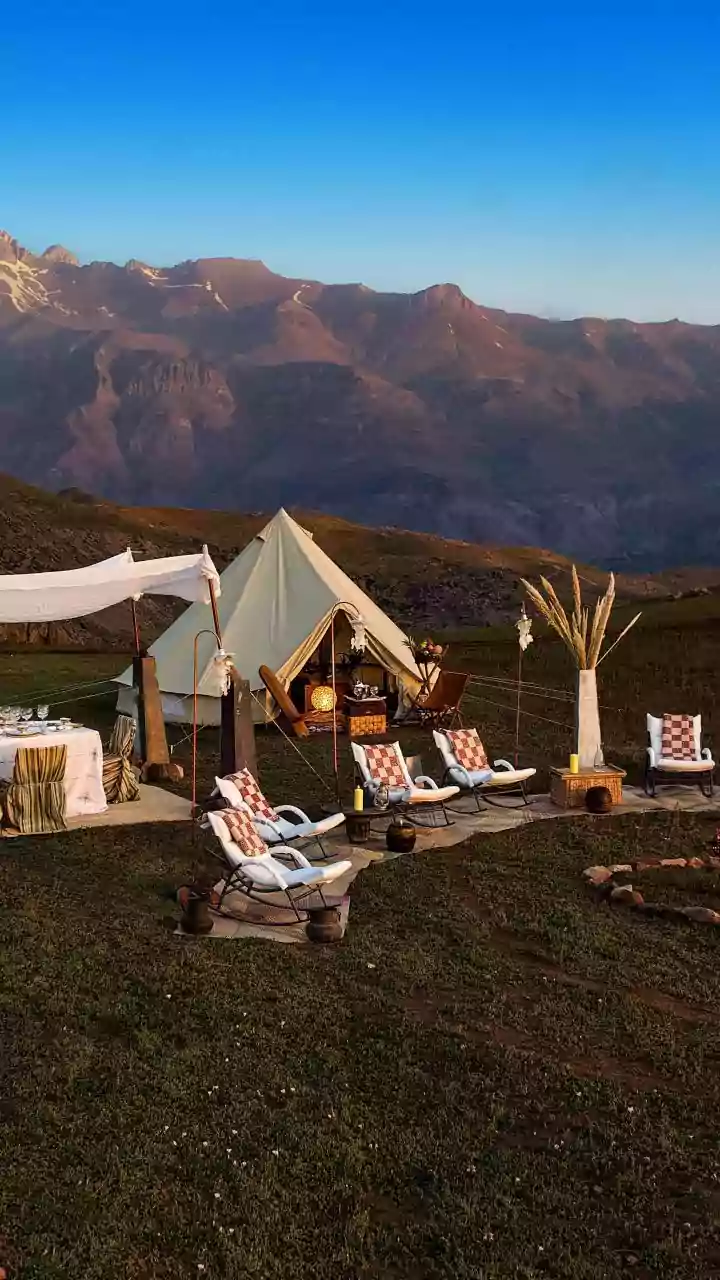
While you can find sleep-focused hotels in bustling cities, a significant part of this trend involves escaping to peaceful, natural environments—specifically, hill stations or alpine destinations. The logic is simple: it’s hard to reset your nervous system when surrounded by noise, light pollution, and the familiar pressures of daily life. Hill stations offer a compelling prescription for rest. The cooler, cleaner air, the quiet broken only by nature, and the psychological distance from urban chaos create an ideal cocoon for recovery. High-altitude environments and forest bathing are becoming recognized as therapeutic in their own right. The goal is to trade screen time for scenic views and city sirens for silence, allowing the body's natural sleep rhythms to take over. This is about creating an environment where rest isn't just possible, but inevitable.
From Packed Schedules to Deep Recovery
Ultimately, the rise of sleep tourism points to a profound evolution in what travel means. For many millennials, the focus has shifted from performative, experience-collecting trips to deeply personal, restorative journeys. It’s less about what you can post on Instagram and more about how you feel when you return. Vacations are becoming a tool for managing mental and physical health in a world of constant stressors. Experts note that after focusing on diet and fitness, sleep is the next major pillar of wellness that people are actively looking to improve. Choosing a vacation centered on rest is a recognition that true well-being isn't about doing more, but about recovering better, so you have the energy for what actually matters back home.