

Wool garments are a timeless investment, but the fear of shrinking or stretching them in the wash is real. Thankfully, proper care is simpler than you think. With a few key techniques, you can keep your favourite sweaters soft, shapely, and beautiful.
Why Wool Requires Gentle Handling
The secret to wool's warmth and comfort lies in its natural fibres. Each fibre is covered in tiny, overlapping scales. When wool gets wet, these fibres absorb a significant amount of water, making them heavy and vulnerable. Heat and agitation cause the scales to open up and lock together, which leads to shrinking and felting. On the other hand, the weight of the water can easily pull the pliable, wet fibres downward, causing irreversible stretching if the garment is not supported properly. This is why you should never hang a wet sweater—gravity becomes its worst enemy.
Start with a Smart Wash
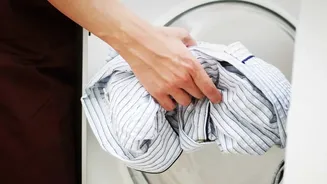
Proper drying begins with a proper wash. Always check the garment's care label first, as it provides the most specific instructions. For most woollens, hand washing is the safest bet. Use cool or lukewarm water (no more than 30°C) and a mild, wool-specific detergent that doesn't contain enzymes or bleach, which can damage the protein fibres. Submerge the garment, let it soak for about 10 minutes, and gently squeeze the water through it. Avoid scrubbing or twisting. If your machine has a 'wool' or 'delicate' cycle, you can use it with cold water and a low spin speed (no more than 600 rpm). Placing the item in a mesh laundry bag offers extra protection.
Remove Excess Water—Don't Wring It
The most common mistake after washing is wringing or twisting the garment. This aggressive action is guaranteed to stretch and distort the delicate fibres. Instead, gently squeeze out as much water as you can by hand. The best method is to lay the garment flat on a clean, thick towel. Carefully roll the towel up with the sweater inside, and press down firmly along the roll. This 'towel burrito' technique effectively absorbs a large amount of moisture without causing any stress to the knit. You can unroll it and repeat with a second dry towel if the item is still very heavy.
The Golden Rule: Dry It Flat
Once excess water is removed, the cardinal rule of drying wool is to lay it flat. Hanging a wet wool item on a clothesline or hanger will cause it to stretch out of shape under its own weight. Find a flat surface, like a drying rack, a mesh screen, or even a fresh towel laid on a bed or table. Carefully position the garment, reshaping it to its original dimensions. Smooth out the shoulders, align the sleeves, and straighten the hem. Let it dry at room temperature in a well-ventilated area, away from direct sunlight or heat sources like radiators, which can cause damage and discolouration. The process may take a day or two, and you can flip the garment once to help it dry evenly.
Extend the Life of Your Woollens
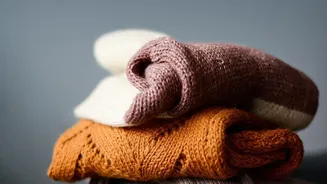
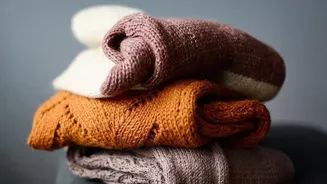
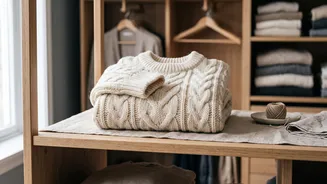
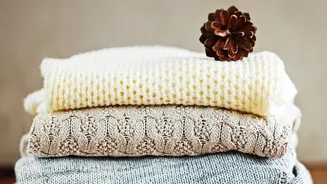
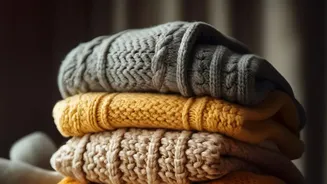
Caring for wool extends beyond washing and drying. Because wool is naturally antibacterial and odourless resistant, it doesn't need to be washed after every wear. Often, simply airing it out for a day is enough to refresh it. When it comes to storage, never hang your knitwear, as this can cause the shoulders and neckline to stretch over time. Instead, fold your woollens cleanly and store them in a cool, dry place. For longterm seasonal storage, make sure garments are clean to deter pests like moths. Using breathable cotton bags and natural deterrents like cedar or lavender will help keep them safe.