



The Rise of the Flexible Den
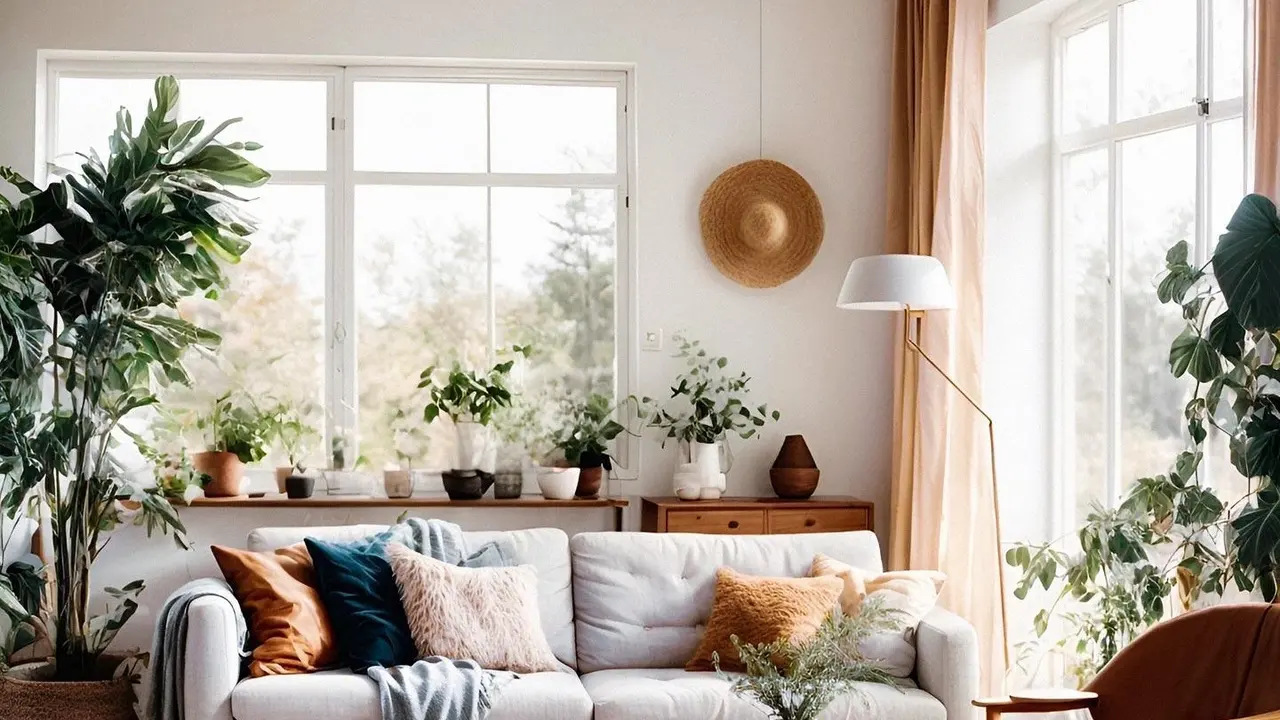
Forget the dusty, forgotten room of the past. The modern den, as showcased in the cultural spotlight, is a versatile powerhouse. This isn't just an extra room; it's a chameleon-like space designed to adapt to the dynamic needs of contemporary Indian families.
It serves as a quiet workspace during the day, a cozy media hub by night, and even a welcoming guest room when needed. This shift reflects a larger trend in home design where functionality and adaptability are prized above all, especially in urban homes where every square foot is precious. The core idea is to make your home work for you, creating zones for different activities within a single, smartly designed area.
The Ultimate Work-From-Home Solution
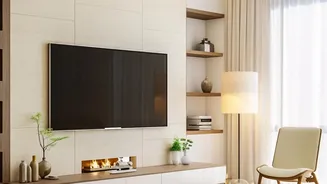
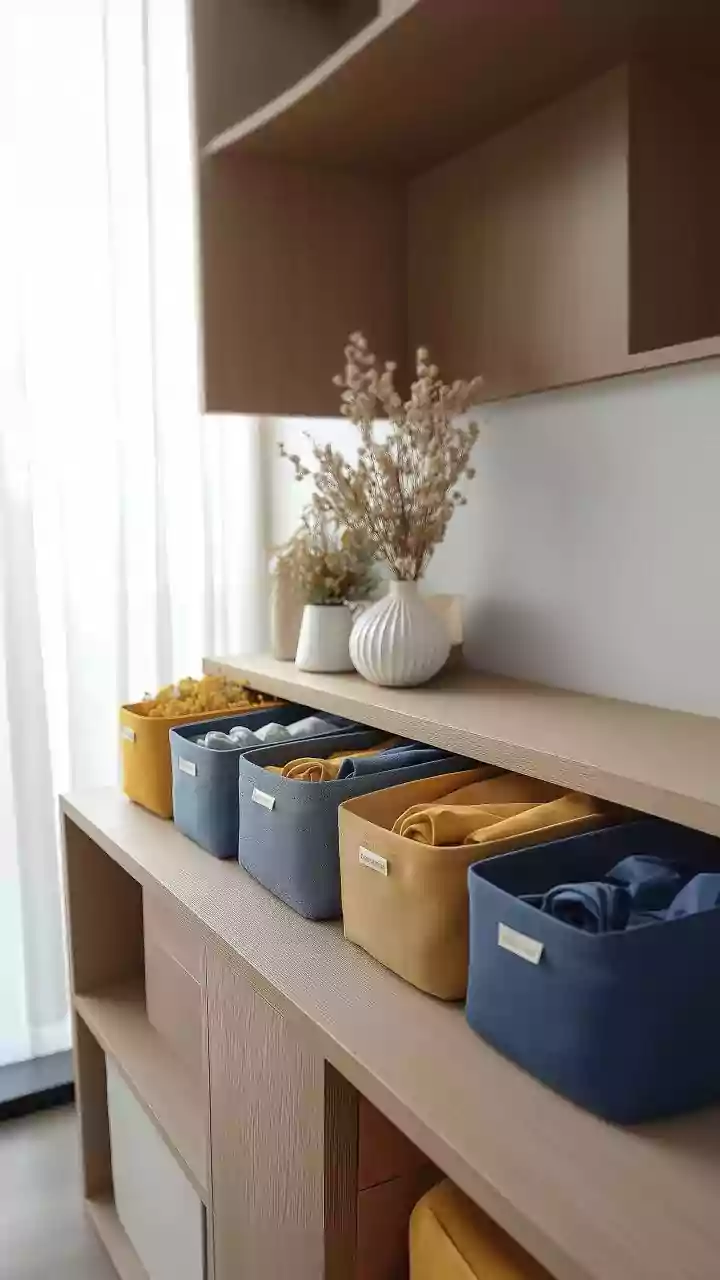
One of the primary drivers for the den's resurgence is the continued prevalence of remote work. A dedicated, quiet space for concentration is no longer a luxury but a necessity. A flexible den offers the perfect solution. To make it work, think about furniture that does double duty. A sleek desk can be paired with attractive storage solutions like decorative bins or cabinets to hide away papers and gadgets when the workday is over. Some designs even incorporate the television into a built-in cabinet that can be closed off, mentally and physically separating work from leisure. The goal is to create a professional environment that can disappear when it's time to relax.
From Office to Entertainment Hub
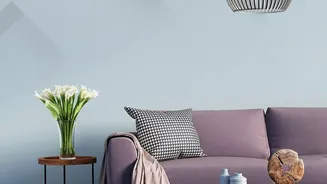
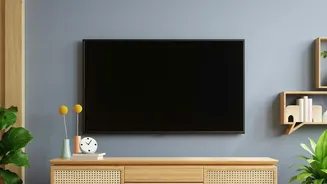
When the laptop closes, the den transforms. This space can easily become the family's favourite spot for entertainment. A comfortable sofa or a daybed can anchor the room, making it perfect for movie nights or binging the latest series. For audio-visual enthusiasts, a wide console table can serve as both a desk and a TV stand. Adding elements like good speakers for music or a collection of board games can further enhance its recreational appeal. The key is planning. By using modular furniture and clever layouts, the transition from a productive office to a relaxing haven can be seamless and quick.
Designing for Smaller Spaces
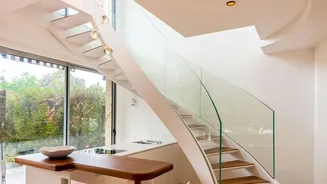
You don't need a sprawling bungalow to enjoy the benefits of a flexible den. In fact, the concept is even more critical in compact apartments. The secret lies in smart, space-saving strategies. Utilise vertical space with wall-mounted shelves and tall cabinets to draw the eye upward and keep the floor clear. Invest in transformable furniture like Murphy beds that fold into the wall, or collapsible desks that can be put away. Instead of building walls, use rugs, lighting, or open shelving to create visual zones for different activities. These design tricks create the feeling of separate spaces without sacrificing the open, airy feel of the room.
Making It a Truly Indian Space
The concept of the flexible den adapts beautifully to the Indian context. For many living in multi-generational homes, such a space can provide a much-needed private retreat for work or study. The design can incorporate traditional Indian elements, blending modern functionality with cultural aesthetics. Think about using a beautifully carved wooden screen as a stylish room divider, or incorporating handloom textiles for warmth and texture. The goal is to create a room that is not just a copy of a global trend but is deeply connected to your lifestyle, whether that means a space for morning yoga, a quiet corner for puja, or a vibrant room for family get-togethers.