







Beyond Individual Actions
For years, environmentalism in India was often seen through the lens of activism or large-scale policy. Today, it’s becoming deeply personal. A quiet but powerful transformation is underway, moving from the periphery to the mainstream, especially in urban
centres. This green shift is less about protest and more about practice—a conscious decision by millions to integrate sustainability into their daily routines. It’s a bottom-up movement where the choices we make about what we eat, wear, and buy are becoming statements of our values. This isn't just about saving the planet in the abstract; it's about building a healthier, more mindful life, one small decision at a time.
The Millennial and Gen Z Engine
Much of this momentum is driven by India’s younger generations. Millennials and Gen Z, armed with global awareness and digital connectivity, are demanding more from brands and from themselves. They are more likely to research a product’s origins, question its environmental impact, and support businesses that align with their values. For them, sustainability isn't a chore; it’s a form of self-expression. Social media platforms like Instagram have become hubs for this movement, with influencers championing everything from zero-waste living and veganism to slow fashion and DIY culture. This digital-native cohort is not just consuming green products; they are creating the very culture that makes them desirable.
From Kitchens to Commutes
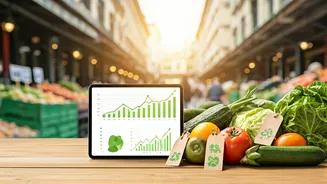
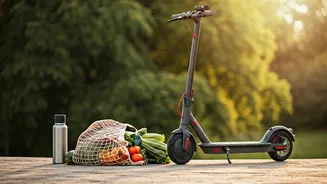
The evidence of this shift is tangible. In the kitchen, ancient grains like millets are experiencing a major revival, celebrated for being both nutritious and climate-resilient. Startups offering organic vegetables, plant-based dairy alternatives, and chemical-free staples are finding a dedicated customer base. In fashion, the stigma around second-hand clothing is fading, replaced by the trendy appeal of “thrifting.” Consumers are actively seeking out brands that use recycled materials or traditional, eco-friendly textiles. The transport sector is also changing. While still in its early stages, the adoption of electric vehicles (EVs), particularly two-wheelers, is growing steadily, spurred by rising fuel costs and government incentives. These aren't isolated incidents but connected dots forming a larger picture of conscious consumption.
When Policy Meets Practice
This grassroots movement is being met halfway by a crucial top-down push. The Indian government's Mission LiFE (Lifestyle for Environment) initiative is a significant step in this direction. Launched on the global stage, its core idea is to nudge individuals towards adopting simple, sustainable habits. The mission encourages actions like conserving water, reducing waste, and opting for healthier lifestyles. By framing these actions not as sacrifices but as contributions to a collective goal, the policy provides a formal framework that validates and encourages the very changes people are already beginning to make. It helps connect an individual’s choice to a national and even global effort, giving small actions a sense of greater purpose.
The Challenges on the Green Path
Despite the positive momentum, the path to a widespread green lifestyle is not without its hurdles. The most significant challenge is accessibility and affordability. Sustainable products often come with a premium price tag, placing them out of reach for a large segment of the population. The movement remains largely concentrated in Tier-1 and Tier-2 cities, with limited penetration in rural India. Furthermore, the rise in consumer interest has also led to “greenwashing,” where companies make misleading claims about their environmental credentials to attract customers. Building genuine trust and ensuring that sustainable options are available and affordable for everyone, not just a privileged few, will be critical for this shift to become a true transformation.