







The Joint Impact Debate
The most significant difference between aerobics and trampolining lies in how they treat your joints. Traditional aerobics, especially high-impact variations, involve running, jumping, and dynamic movements on a hard surface. While effective for building
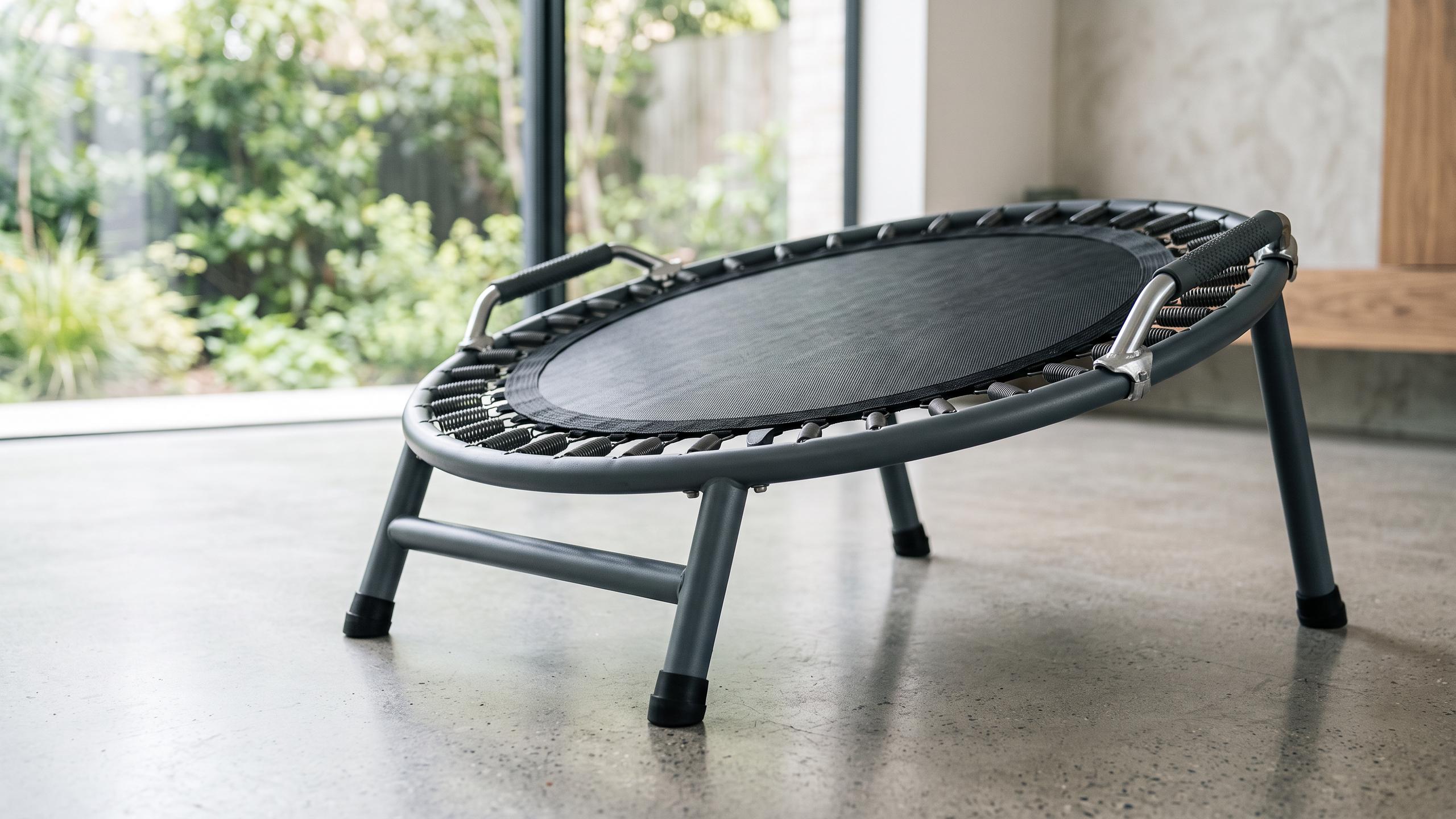
bone density, this can place considerable stress on the knees, hips, and ankles. In contrast, trampolining, or rebounding, is a low-impact exercise. The elastic surface of a mini-trampoline absorbs most of the force upon landing, reducing joint stress by as much as 80% compared to running. This makes it an excellent option for individuals with joint pain, those recovering from injuries, or anyone seeking a gentler yet effective cardio session.
Calorie Burn and Intensity
When it comes to burning calories, intensity is the name of the game for both activities. A high-energy step aerobics class can burn a significant number of calories, with some estimates around 9.6 calories per minute. Similarly, a vigorous trampolining session can burn between 250 to 400 calories per hour, and even more with high-intensity intervals. Some research, including a well-known NASA study, found that rebounding can be a highly efficient form of exercise for improving cardiovascular conditioning, potentially more so than jogging. However, a traditional high-impact aerobics or HIIT class may burn calories at a faster rate if your primary goal is maximum expenditure in the shortest time. Ultimately, the workout you can perform with the most consistency and intensity will yield the best results for weight management.
Muscle Toning and Engagement
Both workouts offer full-body benefits, but they activate muscles in different ways. Aerobics routines are often designed to target a wide range of muscle groups, including the legs, glutes, and core, with specific choreography enhancing lower body power. Trampolining presents a unique challenge due to its unstable surface. Every bounce forces your body to engage deep core and stabilizer muscles to maintain balance. It's particularly effective for strengthening the legs, glutes, and abdominal muscles. While great for toning, trampolining provides little resistance, so it's less suited for building significant muscle mass unless combined with weights.
Beyond Cardio: Unique Perks
Each activity boasts its own set of distinct advantages. Trampolining is widely praised for its ability to stimulate the lymphatic system. Unlike the cardiovascular system, the lymphatic system has no pump and relies on body movement to circulate fluid and remove toxins. The up-and-down motion of bouncing can increase lymph flow significantly, which may help reduce inflammation and boost immune function. Aerobics, on the other hand, excels in improving coordination and rhythm through choreographed routines. The structured nature of classes can be highly motivating and offers a strong sense of community and shared energy.
Accessibility and The 'Fun Factor'
Your best workout is the one you stick with, and enjoyment plays a huge role. Many find trampolining inherently fun, tapping into a sense of childlike play that makes exercise feel less like a chore. It can be done at home with a personal rebounder. Aerobics offers immense variety, from step and dance to water-based classes, meaning you can always find a style to match your mood. Many aerobics routines can also be done at home with no equipment, making it highly accessible. Ultimately, the 'fun factor' is deeply personal and a key component of a sustainable fitness plan.