




What 'Better Hygiene' Really Means
Indian Railways' new approach to cleanliness is a multi-layered strategy, moving far beyond a simple sweep of the floors. The core of this initiative rests on the 'On-Board Housekeeping Service' (OBHS), which has been implemented in nearly two thousand
long-distance trains. This service provides a dedicated team of cleaners who can be summoned by passengers to address any urgent cleaning needs in coaches or toilets. Passengers can send a request via SMS or online, and a cleaner is dispatched to the specific berth or washroom. This on-demand system ensures that cleanliness is maintained throughout the journey, not just at the start. Furthermore, the push includes the comprehensive installation of bio-toilets across the network, an eco-friendly solution that prevents waste from being discharged onto the tracks. These sealed systems treat waste onboard, marking a significant step forward in both hygiene and environmental responsibility. Together with better systems for collecting and segregating waste in designated bins, the entire ecosystem of train sanitation is being overhauled.
Example 1: The Vande Bharat Express
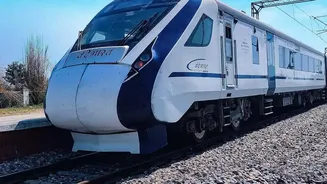
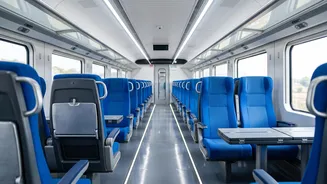
As India's premier semi-high-speed service, the Vande Bharat Express sets the benchmark for the new standard of rail travel. These train sets are equipped with modern, airline-style bio-vacuum toilets, which are not only cleaner but also use significantly less water. The coaches are designed with touch-free amenities and modular interiors that are easier to clean and maintain. Waste segregation is built into the coach design, with clearly marked bins for wet and dry waste. The overall passenger experience is designed to be pristine, reflecting a conscious shift towards offering a premium, hygiene-focused journey on par with other modern modes of transport. The success of these services has become a model for future upgrades across the network.
Example 2: The Tejas Express
Positioned as a more luxurious and modern version of the Shatabdi Express, the Tejas Express services also champion these enhanced hygiene protocols. These trains feature high-quality interiors, bio-vacuum toilets, and automated doors, all contributing to a cleaner environment. A key feature is the presence of dedicated housekeeping staff who conduct regular cleaning rounds in addition to being available through the OBHS. The focus on the Tejas is to provide a seamless and comfortable experience where passengers do not have to worry about the state of the facilities. Water-level indicators in the toilets also help the maintenance crew ensure that resources are managed effectively throughout the trip.
Example 3: The Rajdhani Express
The Rajdhani Express trains, which connect the national capital with state capitals, have long been a flagship service. Under 'Project Swarn', many Rajdhani routes received significant upgrades to their interiors and sanitation systems. This includes the installation of bio-toilets and improved OBHS responsiveness. On these overnight journeys, maintaining washroom hygiene is particularly challenging, but the system of on-demand cleaning has made a noticeable difference. Passengers on major routes like the Mumbai-Delhi Rajdhani can now expect a higher standard of maintenance, with staff actively working to keep common areas and toilets clean throughout the long journey, ensuring a more pleasant travel experience.
Example 4: The Shatabdi Express
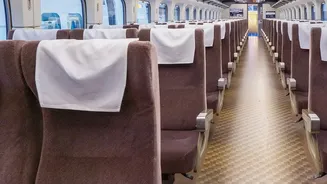
As key daytime inter-city trains, the Shatabdi Express services are also a focus for these cleaning initiatives. Like the Rajdhanis, many Shatabdi trains have been upgraded to include better toilets and more efficient cleaning processes. Given their shorter journey times, the emphasis is on ensuring the train is impeccably clean before departure and that the OBHS staff can quickly handle any issues that arise mid-journey. The regular cleaning of seating areas, aisles, and washrooms ensures that the high standards are maintained from the first station to the last. For business and leisure travellers alike, this commitment to cleanliness makes train travel a more attractive and viable option.
Example 5: The Duronto Express
The point-to-point Duronto Express services, known for their speed and limited stops, are also part of the cleanliness drive. These long-distance trains benefit immensely from the OBHS and the network of bio-toilets. With fewer stops, the onboard staff carry the full responsibility for maintaining hygiene over extended periods. The system of collecting waste in sealed bags and disposing of it only at designated cleaning stations is crucial for these services. This prevents the accumulation of garbage in coach vestibules and ensures that the journey remains comfortable for passengers travelling across vast distances.