


Bottle Gourd (Lauki)
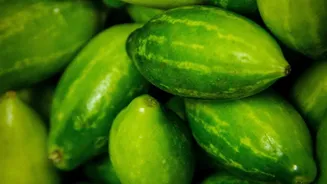
A staple during the monsoon, lauki is incredibly easy to digest and has a high water content, making it perfect for the humid weather. Its cooling properties are valued in Ayurveda, and it forms the base for many simple, sattvic curries that are prepared
without onion or garlic. During Shravan fasts, lauki can be used to make a simple sabzi with rock salt (sendha namak), cumin, and green chillies. It's also versatile enough to be transformed into a halwa for a permissible sweet treat or added to dals for a more substantial meal.
Sweet Potato (Shakarkandi/Ratalu)
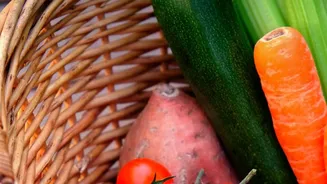
An excellent source of complex carbohydrates, sweet potato provides sustained energy, which is crucial during fasting days. Known as Ratalyache Kaap in Maharashtra, simple pan-fried slices of sweet potato in ghee make for a delicious and filling snack or side dish. Rich in fibre and essential nutrients, it is a healthier alternative to the common potato and can be roasted, boiled, or mashed. Its natural sweetness also lends itself well to healthier dessert preparations, aligning perfectly with the clean-eating principles of Shravan.
Amaranth (Rajgira)
Rajgira is a powerhouse of nutrients and one of the most important ingredients during Shravan. The flour is used to make rotis, puris, and sheera, providing a gluten-free grain alternative. The leaves, known as rajgira bhaji, are rich in iron, making them an important addition to the diet when meat is avoided. Both the seeds and leaves are considered sattvic and are highly valued for their health benefits, including being rich in antioxidants and protein. A simple rajgira kheer or ladoo can be a wholesome way to consume something sweet after a day of fasting.
Colocasia (Arbi)
Colocasia, or arbi, is a root vegetable that is widely consumed during fasting periods across India. It is a good source of dietary fibre and essential minerals. While preparing arbi, it's important to cook it thoroughly to break down compounds that can cause irritation. It can be made into a simple dry curry with ajwain (carom seeds) to aid digestion, or fried to make crispy snacks. Its unique flavour and starchy texture make it a satisfying component of a vrat thali.
Corn (Bhutta)
The sight of roasted corn on the cob is synonymous with the Indian monsoon. While not a traditional fasting food for everyone, corn is a seasonal star during Shravan. Packed with fibre and antioxidants, it’s a healthy snack option. For those whose fasting rules are less strict, a simple roasted bhutta with a squeeze of lime and a pinch of rock salt can be a delightful and energising evening snack. It supports gut health, which is particularly important during a season when digestion can be sluggish.
Indian Blackberry (Jamun)
This deep purple fruit is a special treat of the monsoon season. Jamun is celebrated for its numerous health benefits, including its ability to help manage blood sugar levels. It's rich in iron, calcium, and Vitamin C, which is vital for boosting immunity during a season known for widespread infections. As a fresh fruit, it's a perfect food to consume during Shravan, providing natural sugars for energy and essential nutrients to keep you healthy. Its slightly astringent and sweet taste is a refreshing change.