






The Study's Surprising Discovery
Researchers from several leading institutions found that consuming sugary foods and drinks while on antibiotics can significantly harm the gut microbiome. The study, published in the journal Nature, monitored hospitalised patients and found that a high
sugar intake compounded the damage antibiotics often cause to our healthy gut bacteria. For every 100-gram increase in sugar—roughly the amount in two cans of soda or a large milkshake—patients experienced a significant drop in the diversity of their gut microorganisms. This loss of diversity makes it easier for harmful bacteria to thrive, potentially leading to more complications.
How Sugar and Antibiotics Interact
Antibiotics are designed to kill harmful bacteria, but they are often broad-spectrum, meaning they wipe out beneficial bacteria too. This disruption creates an opportunity for resilient, often harmful, bacteria to take over. The new study suggests that dietary sugar acts as a fuel source for these opportunistic microbes. Researchers noted that the combination of sugar and antibiotics led to a bloom in a specific bacterium called Enterococcus faecium, which is linked to hard-to-treat infections. In essence, while the antibiotic clears the way, sugar helps the wrong kind of bacteria to grow back faster and stronger, undermining the recovery of a healthy, diverse gut environment.
What This Means for Your Gut Health
A healthy gut microbiome, which consists of trillions of bacteria, is crucial for proper digestion, a strong immune system, and overall health. When this delicate balance is thrown off—a state known as dysbiosis—it can lead to side effects like diarrhoea and an increased risk of subsequent infections. The study highlights that the common advice given to sick patients to consume sugary drinks, like sports drinks or nutrition shakes, might be counterproductive when antibiotics are involved. While intended to provide energy and hydration, their high sugar content could be worsening the very gut disruption that makes patients feel unwell.
What Patients Should Do: Practical Steps
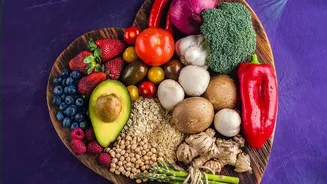
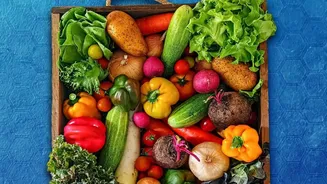
Based on these findings, being mindful of your sugar intake while taking antibiotics is a wise move. This doesn't mean you must eliminate all sugar, but it does suggest limiting foods and drinks with high concentrations of added sugars. This includes sodas, packaged juices, sweets, and even some well-intentioned nutritional shakes. Instead, focus on supporting your gut's recovery. Eat foods rich in fibre, like whole grains, legumes, and vegetables, as fibre helps feed beneficial bacteria. Fermented foods like yogurt, which contain probiotics, can also help in restoring healthy bacteria. However, some experts suggest focusing on high-fibre foods after you finish your antibiotic course, as fibre can sometimes slow the absorption of medication. Always follow your doctor's instructions, but consider pairing your treatment with a low-sugar, high-fibre diet to give your body the best chance to heal.