


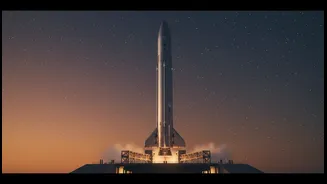


A Historic Hop in Northern Japan
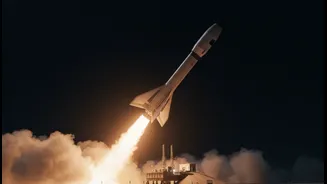
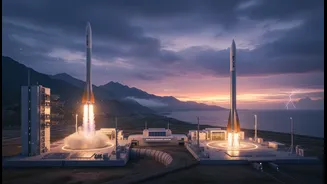
On Saturday, at the Noshiro Rocket Testing Center in Akita Prefecture, an experimental rocket named RV-X (Reusable Vehicle eXperiment) made history. In a flight lasting less than a minute, the vehicle ascended to an altitude of about 11 meters, moved
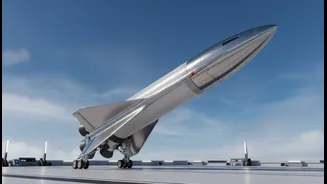
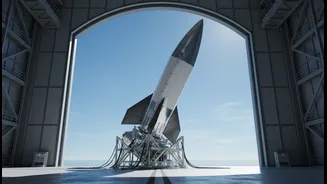
sideways for roughly 16 meters, and then descended for a controlled, safe landing on its four shock-absorbing legs. The entire sequence, though short, was a flawless demonstration of the vertical takeoff and vertical landing (VTVL) capability that has redefined the space industry. Developed jointly by JAXA and Mitsubishi Heavy Industries, the 7.3-meter-tall prototype performed exactly as planned, providing crucial data for Japan's future ambitions.
Why Reusability Is the New Standard
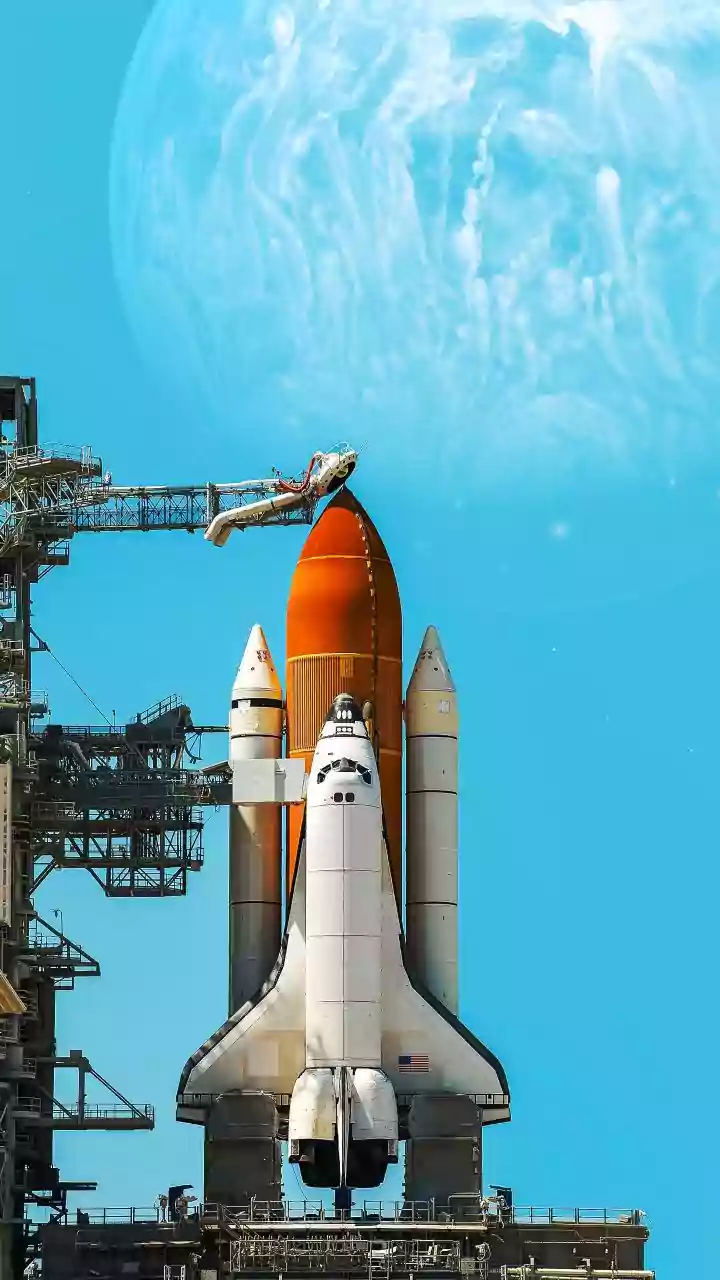
For decades, rockets were single-use machines. Like throwing away a car after one trip, entire launch vehicles were discarded in the ocean or burned up in the atmosphere, making space access incredibly expensive. Reusable rockets, pioneered and dominated by the American company SpaceX, fundamentally change this economic equation. By designing a rocket's first stage—the largest and most expensive part—to fly back to Earth and land intact, it can be inspected, refurbished, and flown again. This drastically reduces the cost of each launch, enabling more frequent and affordable access to orbit for satellites, scientific missions, and eventually, human spaceflight. For any nation with serious space aspirations, mastering reusability is no longer optional; it's essential for staying commercially competitive.
Playing Catch-Up to SpaceX
While this test is a landmark achievement for Japan, it also highlights the significant lead held by competitors. SpaceX has been landing its Falcon 9 boosters operationally for several years, creating a near-monopoly on the commercial launch market. Japan’s current mainstay rocket, the H3, is an expendable vehicle. While designed to be more cost-effective than its predecessor, it cannot compete on price with a reusable system. The RV-X program is Japan's direct answer to this challenge. It is an admission that the future of space launch is reusable, and this successful test represents the country's first tangible step toward developing its own operational, cost-cutting successor to the H3.
From Small Hops to Orbit
The RV-X is a demonstrator, not an operational rocket. Its purpose is to serve as a flying laboratory to master the complex guidance, navigation, and control systems needed for a pinpoint landing. The engine powering the vehicle is designed for high durability, having already undergone more than 160 ground-based combustion tests before its first flight. JAXA has announced that the next steps will involve pushing the envelope with higher-altitude flights, aiming for around 100 meters. The lessons learned from the RV-X will directly inform a more advanced, collaborative project with the French and German space agencies called CALLISTO, which is another test vehicle intended to fly to even higher altitudes and speeds. These incremental steps are vital for scaling the technology up from a small prototype to a full-sized orbital booster.
A Strategic Move for Japan's Future
Developing a sovereign reusable launch capability is about more than just commercial competition. The Japanese government has identified it as a key component of its national security and long-term space strategy. The ability to launch its own satellites frequently and affordably is critical for everything from communications and Earth observation to intelligence gathering. By investing in this technology, Japan is ensuring it won't have to rely on foreign providers for critical access to space. This successful test, while modest in scale, is a powerful signal that Japan is serious about securing its place as a leading spacefaring nation in the 21st century.