




Treasure Hunt in Your Home
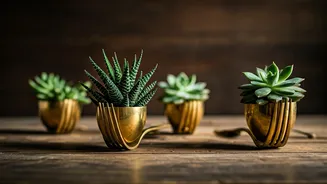
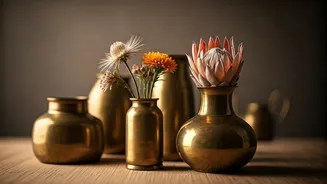
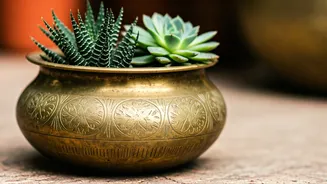
Begin by rummaging through your storage. You are looking for pieces with character and a suitable shape for holding a plant. Think beyond the obvious. A traditional brass 'lota' (water pot) makes a classic vase-like planter. Small 'katoris' (bowls) are perfect
for succulents or cacti. A large, shallow 'parat' or 'thali' can become a stunning dish garden for a collection of small plants. Even old brass tiffin carriers can be repurposed, with each layer holding a different herb. Look for pieces that are sturdy and not too intricately carved on the inside, which can make cleaning and planting difficult. The dents, discolouration, and history of each piece are not flaws; they are part of the charm.
The Great Brass Revival
Once you've chosen your vessels, it's time to bring back their glow. You have two aesthetic choices: a brilliant, mirror-like shine or a preserved antique patina. For a high-shine finish, a mixture of tamarind paste and salt, or lemon juice and baking soda, works wonders. Apply the paste, let it sit for a few minutes, and scrub gently with a soft cloth before rinsing and drying thoroughly. For a more antique look, a gentle wash with mild soap and water is enough. This will clean the piece while preserving the darkened, aged patina that gives brass its unique character. Avoid harsh chemical cleaners that can damage the metal or leave a residue harmful to plants. Always dry your brass completely to prevent water spots.
Preparing for New Life
This is the most critical step for plant health: drainage. Without a hole at the bottom, water will pool and cause root rot, killing your plant. To drill a drainage hole in brass, you'll need a power drill and a bit designed for metal. Place the pot on a stable, non-slip surface, like a piece of scrap wood. Start with a small pilot hole and then enlarge it with a bigger bit. Go slowly and apply steady pressure. If you're not comfortable drilling, or if the piece is too precious, you have an alternative. Keep the plant in its original plastic nursery pot (with drainage holes) and simply place it inside the brass vessel. You can hide the plastic rim with a layer of moss or small pebbles. This 'cachepot' method protects the brass from constant moisture and makes watering easier—just remove the inner pot to water it in the sink.
Choosing Your Green Companions
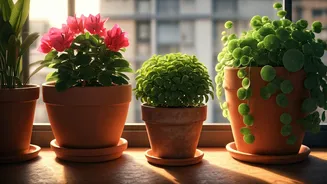
Not all plants are suited for brass pots, which can heat up in direct sun. Opt for hardy, low-maintenance varieties. Succulents like Echeveria and Haworthia are excellent choices, as they prefer their soil to dry out between waterings. Air plants (Tillandsia) don't need soil at all and can be beautifully displayed nestled in a brass bowl with some decorative stones. For a touch of green that cascades down the sides, consider String of Pearls or Money Plant (Pothos). Small herb gardens also work well; imagine fresh coriander or mint growing out of a set of brass katoris on your kitchen windowsill. Choose plants whose size is proportional to the pot to create a balanced, aesthetically pleasing look.
Planting and Potting with Care
Now for the fun part. If you have drilled a drainage hole, start by covering it with a small piece of mesh or a broken pottery shard to prevent soil from washing out. Next, add a layer of potting mix specifically suited to your chosen plant (e.g., cactus mix for succulents). Gently remove the plant from its nursery pot, loosen the root ball slightly, and place it in the center of your brass pot. Fill in the surrounding space with more soil, pressing down lightly to remove air pockets. Leave about an inch of space from the rim. Water the plant lightly to help it settle in. If using the cachepot method, you can add a layer of gravel to the bottom of the brass pot to elevate the inner plastic pot, ensuring it never sits in water.