




The Compounding Effect of Rain on Traffic
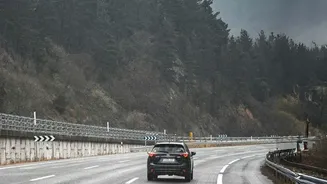
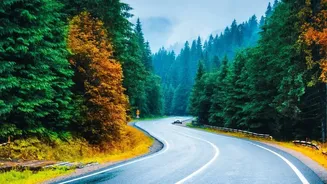
Heavy rain doesn't just make roads wet; it fundamentally changes driver behavior and magnifies existing traffic problems. Visibility drops, drivers become more cautious, and average speeds decrease significantly—by as much as 17 percent on highways during
a downpour, according to the U.S. Federal Highway Administration. This slowdown has a domino effect. When combined with regular commuter traffic, especially during afternoon peak hours from 3 p.m. to 4 p.m., the result is severe congestion. A journey that might normally take two hours can easily stretch to three or four. The first drops of rain are often the most treacherous, mixing with oil and grime on the road to create an exceptionally slick surface. Starting your trip in the middle of this chaos not only adds hours to your travel time but also increases your chances of being in a fender-bender or a more serious collision.
Daylight vs. Darkness: The Visibility Factor
Driving in heavy rain is challenging enough in broad daylight. At night, it becomes exponentially more dangerous. Rain distorts light, creating intense glare from oncoming headlights and streetlights on wet surfaces. This scattered light reduces contrast, making it incredibly difficult to judge distances or spot hazards like pedestrians and debris on the road. Rain can reduce visibility to the point where it's nearly impossible to see the road ahead. Using high beams is counterproductive, as the light reflects off the raindrops, worsening the glare. By choosing to depart early in the morning, you give yourself the maximum amount of daylight. This improves your ability to see lane markings, identify standing water, and react to sudden changes. An early start means you are more likely to reach your destination before dusk, avoiding the perilous combination of darkness and downpour.
The Risk of Hydroplaning and Flooding
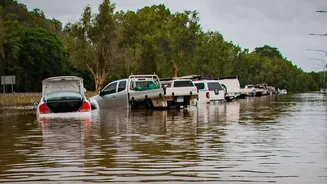
One of the greatest dangers of driving on wet roads is hydroplaning, which occurs when a layer of water builds up between your tires and the road surface, causing a loss of traction and control. The risk increases with speed and the amount of standing water. Heavy, persistent rain leads to water pooling in the outer lanes and low-lying areas of the road. In India, monsoon rains can quickly lead to submerged roads, underpasses, and invisible potholes hidden beneath murky water. Starting your trip during the most intense phase of a storm significantly raises the likelihood of encountering these conditions. By timing your departure, you can often avoid the worst of the deluge. Waiting for a lull in the storm or leaving after the initial, intense burst of rain has passed allows drainage systems time to catch up, reducing the amount of standing water on your route.
Finding the 'Golden Window' for Departure
So, when is the best time to leave? The consensus among safety experts points to early mornings, ideally before 10 a.m. This window typically offers lighter traffic, better visibility with the rising sun, and allows you to be more alert. Another strategy is to be flexible and monitor weather patterns. Modern weather apps can provide real-time radar, helping you identify breaks in the storm. Waiting an hour or two for a heavy downpour to ease into a lighter drizzle can make a world of difference in road conditions. Conversely, the hours between 4 p.m. and 8 p.m. are often cited as the most dangerous, with a combination of rush hour traffic, driver fatigue, and diminishing daylight creating a high-risk environment. If severe weather like flash flood warnings are in effect, the smartest departure time is often not today, but tomorrow. Delaying your trip is always the safest option when conditions are extreme.