






Understanding the Weather Map
Before you pack your bags, it is crucial to consult the latest weather forecasts. The India Meteorological Department (IMD) has issued advisories for heavy to very heavy rainfall across various parts of the country leading up to the Independence Day weekend.
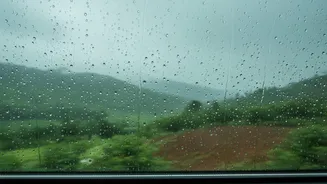
Regions including the Western Ghats (Konkan, Goa), parts of Kerala and Karnataka, and the hilly states of Uttarakhand and Himachal Pradesh are expected to receive significant rainfall. This increases the risk of waterlogging, traffic disruptions, and in hilly areas, landslides. Recent IMD bulletins indicate active monsoon troughs and cyclonic circulations are sustaining this wet spell, particularly across North, Central, and South India. Keeping a close eye on daily weather updates for your specific destination is the first step in responsible travel planning.
Decoding 'Flexible Booking'
In this unpredictable weather, the term ‘flexible booking’ has become a traveller’s best friend. But what does it really mean? For airlines, it often translates to fare categories like 'Flex' or 'Flexi Plus' which allow you to change your travel dates without incurring hefty penalties, though you may still have to pay the difference in fare. For hotels, flexibility can mean a 'free cancellation' policy until a specific date or the option to 'book now, pay later'. It is vital to read the fine print. Some 'free cancellations' might only offer a credit shell for future use rather than a refund to your original payment method. Online travel agencies also offer flexible booking products, but their policies are often a layer on top of the airline's or hotel's own rules, so clarity is key.
Strategies for Air and Rail Travel
If you're flying, booking a flexible fare is a wise investment. Airlines like Air India and Air India Express offer tiered fare families, where higher-priced 'Flex Fares' provide benefits like free rescheduling. This can be a holiday-saver if your destination becomes inaccessible due to weather. Booking directly with the airline can sometimes make managing disruptions easier than going through a third party. For train travellers, the situation is similar. Heavy rains can lead to track waterlogging and delays or cancellations. While the Indian Railways system is robust, it is not immune to extreme weather. Always check your train's status before heading to the station and be prepared for potential schedule changes.
Smart Tips for Hotel Stays
Your accommodation choice can make or break a monsoon trip. When booking hotels, especially in popular monsoon destinations like Goa or the hill stations, specifically look for properties with generous and clear cancellation policies. Many hotel chains and booking platforms now highlight these options. Before finalizing, consider calling the hotel directly to ask about their specific policies regarding weather-related disruptions. This personal confirmation can provide peace of mind. Also, be wary of non-refundable deals, which can be tempting for their lower price but offer no recourse if your plans are washed out.
The Road Trip Reality Check
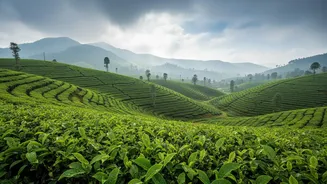
A monsoon road trip, with lush green landscapes and chai stops, seems idyllic, but it requires extra caution. Hilly routes in states like Himachal Pradesh and Uttarakhand are particularly vulnerable to landslides during heavy downpours. Coastal and plain areas can face severe waterlogging, turning short drives into long ordeals. If you plan to drive, ensure your vehicle is in top condition, check multiple weather and traffic sources before and during your journey, and inform someone of your route and estimated arrival time. Avoid driving on ghat roads at night and always have a backup plan, which might even include postponing the trip if conditions are too hazardous.