






Beyond the Superfood Hype
For years, we've been told to seek out specific superfoods. One month it's all about kombucha, the next it’s kefir, kimchi, or an expensive new supplement. While many of these foods can be beneficial, focusing on just one or two is like having a soccer
team with only a star striker and no defenders. A healthy gut is a team sport, and the goal is to build a deep and diverse roster. Recent research highlights that instead of a single 'silver bullet', we should focus on the variety of what we eat. A diet that is not restrictive and includes a wide range of whole foods is more important for gut health than focusing on any single nutrient or ingredient.
Why Your Gut Loves a Crowd
Your gut is home to trillions of microorganisms, collectively known as the gut microbiome. Think of it as a bustling internal ecosystem. This community plays a vital role in digestion, immune function, and even mood. A lack of diversity, known as dysbiosis, is linked to a higher risk for various conditions. The key to keeping this ecosystem thriving is to feed it a wide array of foods. Different types of microbes feed on different types of plant fibres and compounds. The more varied your diet, the more diverse and resilient your microbiome becomes.
The '30 Plants a Week' Challenge
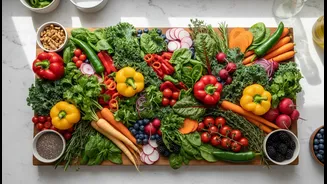
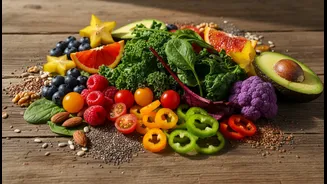
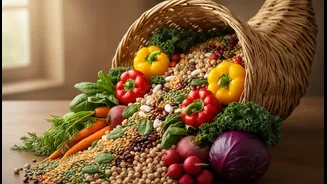
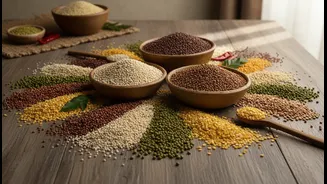
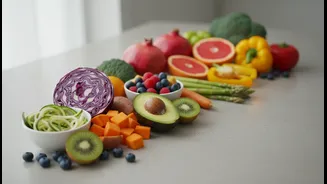
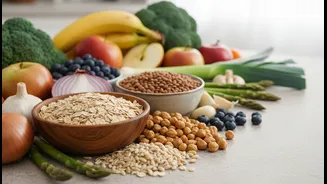
A tangible way to think about dietary diversity comes from the American Gut Project, one of the largest studies of the human microbiome. Researchers found that individuals who ate 30 or more different types of plants per week had significantly more diverse gut microbiomes than those who ate 10 or fewer. This doesn't mean you need to eat 30 giant salads. The term 'plant' is broad and includes fruits, vegetables, whole grains, legumes (beans and lentils), nuts, seeds, herbs, and spices. Even coffee and tea count toward your weekly total. Each different colour of the same vegetable can even count as a separate point, showcasing the importance of variety in phytonutrients.
Putting Variety on Your Plate
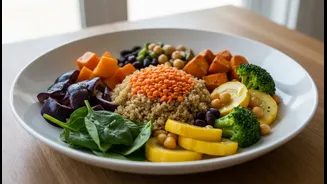
Hitting 30 plants might sound daunting, but it's more achievable than you think. The focus is on inclusion, not restriction. Start by making small swaps and additions. If you have oatmeal for breakfast, add a sprinkle of chia seeds, walnuts, and some berries—that’s four plant points right there. When making a pasta sauce, blend in extra vegetables like carrots or spinach. Aim to try one new fruit or vegetable each week. Opt for a mixed bean salad instead of a single type. Even simple garnishes like fresh cilantro or a dash of turmeric count toward your goal, providing not just flavour but also food for your beneficial gut bacteria.
Small Steps, Big Impact
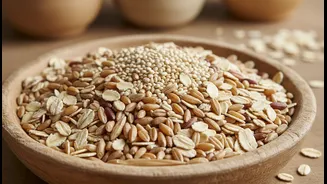
You don't have to overhaul your entire diet overnight. The journey to a more diverse gut microbiome is a marathon, not a sprint. Consistency is more important than perfection. Start by keeping a simple tally on your fridge to see how many different plants you naturally eat in a week. You might be surprised at how many you already consume. From there, identify easy opportunities to add more variety. Could you swap white rice for quinoa or a whole-grain blend? Could you add a handful of spinach to your smoothie or an extra handful of mixed nuts to your afternoon snack? Every small addition contributes to a richer, more robust internal ecosystem that supports your overall health.