



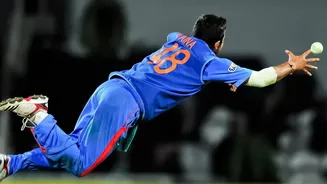

Joginder Sharma: The Final Over Hero
The 2007 T20 World Cup final. Pakistan needed 13 runs off the last over with a rampant Misbah-ul-Haq at the crease. Captain MS Dhoni made a gamble, tossing the ball to the unheralded Joginder Sharma. After a wide and a massive six, it seemed over. Six
runs were needed off four balls. Then came the moment of magic. Sharma bowled a slower ball, Misbah went for a scoop, and Sreesanth at short fine-leg took the catch that gave India its inaugural T20 title. It was a ball that made Joginder Sharma an overnight national hero, a moment so monumental it has overshadowed the entirety of his cricketing career since.
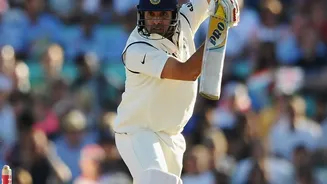
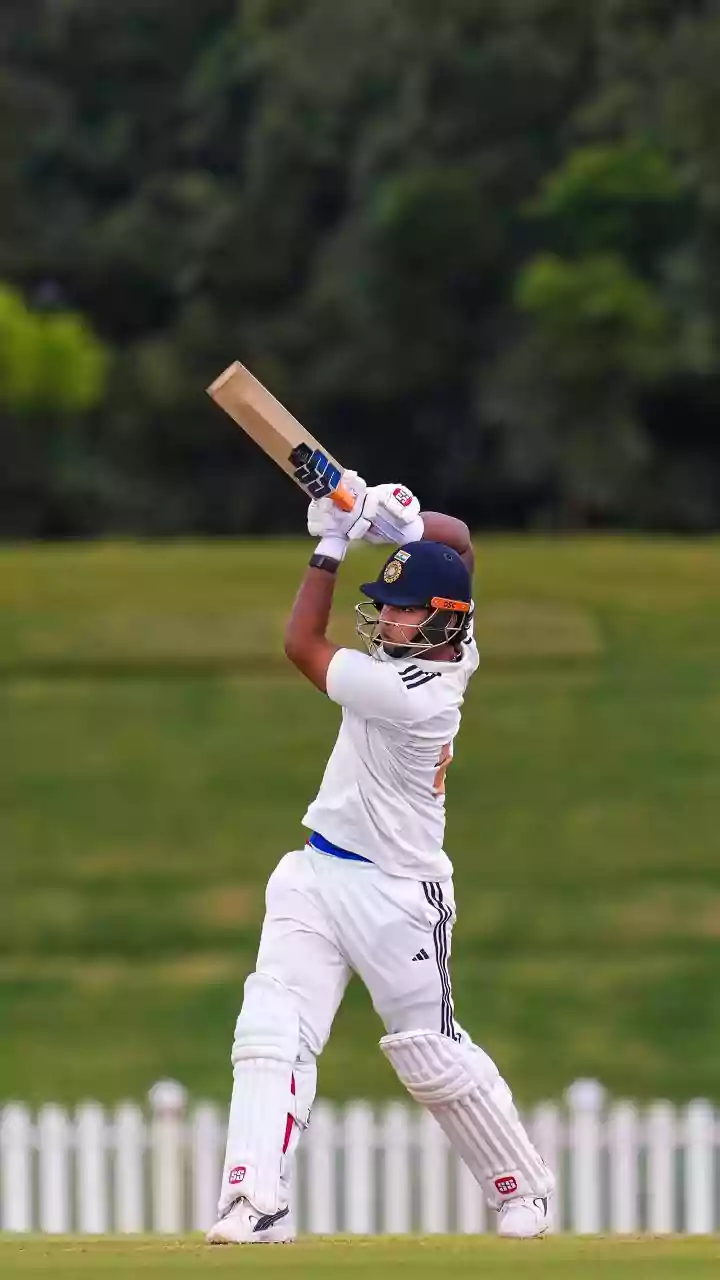
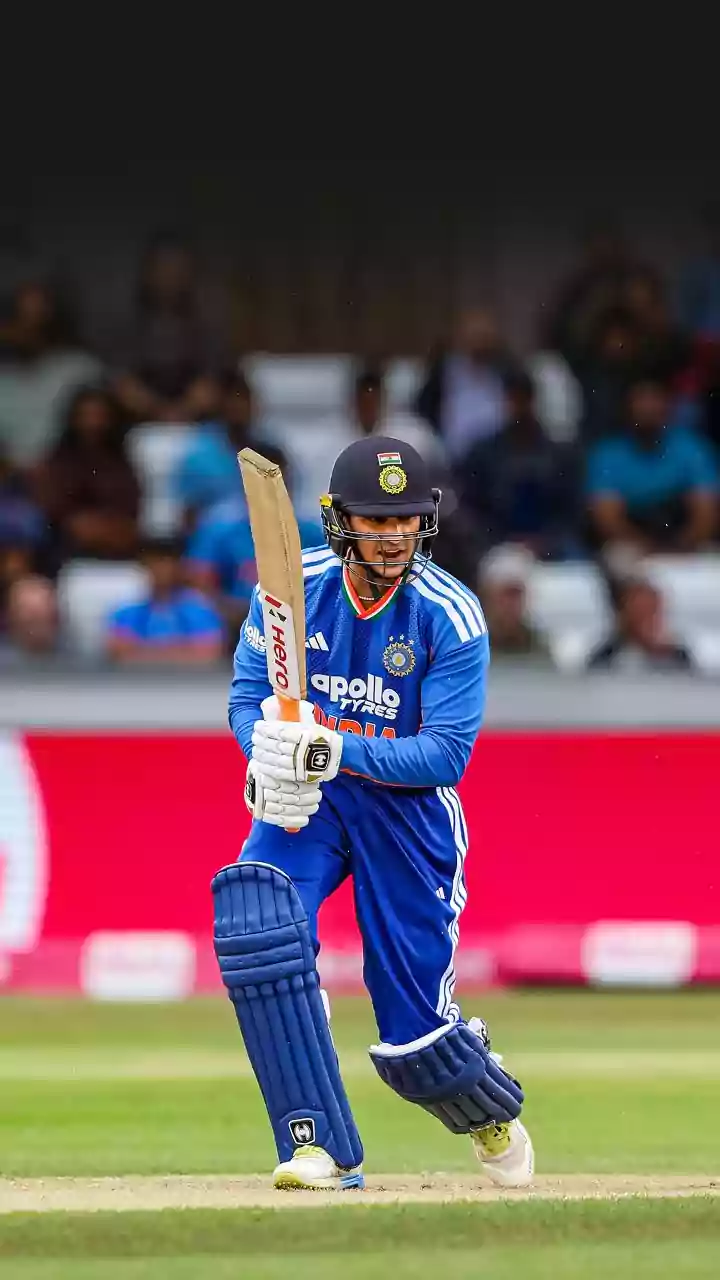
Hrishikesh Kanitkar: The Dhaka Boundary
Long before T20s made 300+ chases routine, a target of 315 was considered almost impossible. In the Independence Cup final of 1998 in Dhaka, Pakistan set India 315 to win in 48 overs. After a brilliant century by Sourav Ganguly, a classic Indian middle-order collapse left the match hanging by a thread. With three runs needed off two balls, newcomer Hrishikesh Kanitkar faced the wily Saqlain Mushtaq. Kanitkar swung a length ball over mid-wicket for four, sealing a world-record run chase and giving a generation of fans an answer to Javed Miandad's last-ball six. That single boundary became his identity, a shot that defined his brief international career.
Narendra Hirwani: The Dream Debut
In 1988, a 19-year-old leg-spinner with large spectacles made his Test debut for India against a mighty West Indies team in Madras. What followed was scarcely believable. Narendra Hirwani took 8 wickets for 61 runs in the first innings. He then bettered it in the second, taking 8 for 75. His match figures of 16 for 136 remain the best ever by a player on Test debut, breaking a 16-year-old record. Among his victims was the great Vivian Richards, dismissed in both innings. Though he played another 16 Tests, Hirwani could never replicate the magic of that first match, especially on non-Indian pitches, making his career a fascinating case of extraordinary beginnings.
Sadanand Viswanath: The 1985 Dynamo
The 1985 Benson & Hedges World Championship of Cricket in Australia was the tournament where India proved its 1983 World Cup win was no fluke. A key architect of this dominant performance was wicketkeeper Sadanand Viswanath. Energetic, aggressive, and brilliant behind the stumps, Viswanath's electric presence was a standout feature of the tournament. Sunil Gavaskar noted that Viswanath's keeping was a primary reason for the team's victory. His stumping of Javed Miandad in the final was a moment of pure brilliance. Though his international career was brief, his performance in that single tournament cemented his place as one of India's most exciting wicketkeepers.
Ashish Nehra: The Durban Demolition
During the 2003 World Cup in South Africa, India faced England in a crucial group match. Defending a respectable 250, India needed a special bowling performance. Ashish Nehra, who had a swollen ankle, delivered one of the greatest spells in World Cup history. Bowling unchanged for 10 overs, he ripped through the English batting line-up, picking up 6 wickets for just 23 runs. He dismissed the likes of Nasser Hussain, Michael Vaughan, and Paul Collingwood. It remains the best bowling figure by an Indian in a World Cup. While Nehra had a long and respectable career, that single spell in Durban is what he is most vividly remembered for—a night when he was simply unplayable.