








What Is Grounding?
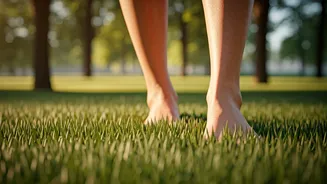
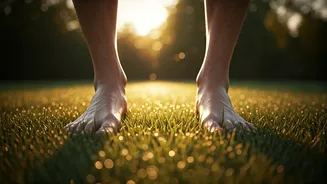
At its core, grounding—also called earthing—is the simple act of making direct skin contact with the surface of the Earth. This means walking barefoot on grass, dirt, or sand, or lying down on the ground. The central idea is that our bodies, which are bioelectrical,
can connect with the Earth's subtle negative electrical charge. Proponents believe that in our modern lives, we are insulated from this connection by rubber-soled shoes, synthetic flooring, and elevated homes. We've become disconnected, and grounding is the act of plugging back in. This isn't just a fringe concept bubbling up online; it's a practice rooted in the ancient human experience of living in direct contact with the natural world, now being re-examined through the lens of modern wellness.
The Scene in Indian Parks
In India, the morning walk is a long-standing cultural institution. Parks fill with people of all ages engaging in 'laughing yoga,' brisk walking, and social chatter. The recent surge in barefoot walkers adds a new, quieter dimension to this daily ritual. Observers report seeing dozens, sometimes hundreds, of individuals deliberately pacing on dewy grass, their shoes left neatly on the sidelines. These are not accidental encounters with nature; they are intentional acts. Participants, often referred to as 'devotees' of the practice, describe the feeling as calming and centering. For many, it's a non-negotiable part of their morning, a free and accessible antidote to the stresses of urban life in some of the world's most bustling cities.
The Science and the Skepticism
The wellness community extols a wide range of benefits from grounding, including reduced inflammation, better sleep, lower stress, and improved circulation. The theory is that the Earth's free electrons are transferred to the body, where they can act as antioxidants and quell chronic inflammation. A handful of small studies have explored these claims, with some showing intriguing preliminary results, such as reductions in the stress hormone cortisol and changes in measures of blood viscosity. However, the scientific community at large remains cautious. Many experts argue that the existing research is too small, often lacks rigorous controls, or is funded by companies that sell grounding products. Critics suggest the perceived benefits may be due to the placebo effect or simply the well-documented positive impacts of being in nature and getting light exercise.
Beyond the Bio-Electrical
Whether the science is settled or not, the appeal of grounding goes beyond electron transfer. For many, it's a spiritual or meditative practice. It forces a slower, more mindful pace. You can't run carelessly when you’re barefoot; you must pay attention to the texture of the ground and the placement of your feet. This act of mindful walking serves as a powerful anchor to the present moment, pulling practitioners away from digital distractions and anxious thoughts. In a world of constant connectivity to screens, grounding offers a connection to something more elemental and real. It’s a sensory experience—the feeling of cool grass, damp earth, or rough soil—that is profoundly simple and deeply human, echoing practices from numerous ancient traditions that revered the Earth as a source of life and healing.