





Why Humidity is the Real Challenge
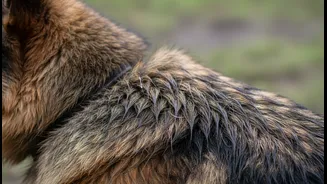
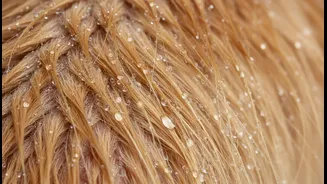
The core issue during monsoon isn't just the rain, but the relentless humidity that follows, which can hover above 80-90%. This dampness prevents your dog's coat from drying properly, trapping moisture against the skin. This warm, moist environment becomes
a thriving breeding ground for bacteria and fungi, leading to a host of problems. Skin folds, paws, and ears are particularly vulnerable. Even on days without rain, the high humidity means a dog's coat and bedding can remain damp, increasing the risk of infection.
The Battle Against Ticks and Fleas
The warm, humid conditions of the monsoon are a paradise for parasites like ticks and fleas, causing their populations to explode. These pests are more than just an annoyance; they can transmit serious and potentially fatal blood-borne diseases like ehrlichiosis and babesiosis. Prevention is crucial. Consult your veterinarian for the most suitable monthly tick and flea prevention, such as spot-on treatments or oral medication. It is also vital to conduct daily checks of your dog's entire body, paying special attention to the ears, neck, between the toes, and under the collar and tail. Removing ticks within hours of attachment can significantly reduce the risk of disease transmission.
Preventing Fungal Infections and Hot Spots
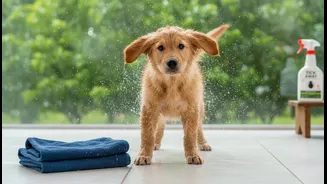
Fungal infections and acute moist dermatitis, commonly known as hot spots, are rampant during the rainy season. Hot spots are painful, red, and weeping skin lesions that can appear suddenly and expand rapidly under damp fur. The first signs of trouble are often subtle, such as increased scratching, persistent paw licking, or a musty odour. To prevent these painful conditions, the number one rule is to keep your dog dry. After every walk, thoroughly towel-dry your pet, focusing on their paws, underbelly, and skin folds. For long-haired breeds, a blow dryer on a low, cool setting is essential to ensure the undercoat is completely dry.
Mastering Paw Care
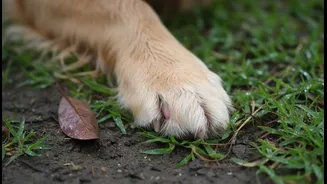
A dog's paws are on the front line during the monsoon, constantly exposed to muddy water, bacteria, and hidden debris. The spaces between the toes are especially prone to trapping moisture, making them a hotspot for yeast and fungal growth. Establish a non-negotiable post-walk routine: rinse your dog’s paws with lukewarm water and dry them meticulously, especially between the digits. Trimming the hair around the paw pads can also improve airflow and reduce moisture retention. Applying a paw balm can help moisturise and protect cracked pads.
Managing Odour and Bathing Schedules
The dreaded “wet dog smell” is often a combination of moisture and the microorganisms that flourish in it. While it's tempting to bathe your dog more often, over-bathing can strip their coat of natural oils, leading to more skin irritation. The general recommendation is to bathe your dog once every two to three weeks, unless they are exceptionally muddy. When you do bathe them, consider using a vet-recommended antifungal or antibacterial shampoo. Between baths, you can use pet-safe wipes or waterless shampoos to keep them clean and fresh. Ensuring your dog is completely dry after a bath is just as important as the bath itself.
The Role of Regular Brushing
Daily brushing is one of your most effective tools during the monsoon. It helps to remove dirt, debris, and loose fur that can trap moisture and cause matting. Matted fur not only pulls painfully on the skin but also blocks airflow, worsening the damp conditions that lead to infections. Brushing also helps distribute the natural oils that keep the skin healthy. For long-haired breeds, daily brushing is essential, while short-haired breeds can benefit from brushing several times a week.