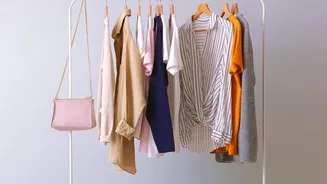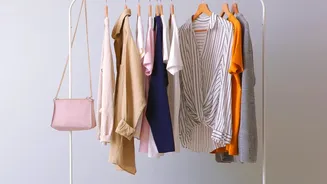



Step 1: Conduct an Honest Wardrobe Audit
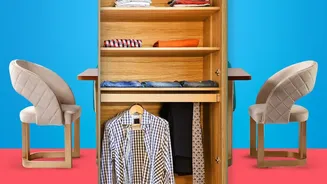
Before you can build, you must declutter. The first step is to take every single piece of clothing, including shoes and accessories, out of your closet. Create distinct piles: items you love and wear regularly, items that need repair, and items to sell
or donate because they no longer fit your body or your style. Be ruthless. This process isn't just about making space; it's an exercise in understanding what you truly love and use. An inventory of what remains will form the foundation of your new, streamlined wardrobe and prevent you from making the same purchasing mistakes again.
Step 2: Define Your Personal Style and Lifestyle Needs
A functional wardrobe is one that is tailored to your actual life, not a fantasy one. Consider your daily activities. Do you work in a formal office, from home, or in an active environment? How do you spend your weekends? Your clothing should serve these real-world needs. Think about the pieces you feel most confident and comfortable in. Are they structured and classic, or soft and bohemian? Choose three to five words that describe your ideal style, such as 'classic, comfortable, and polished' or 'artistic, textured, and relaxed'. This will become your guide for all future decisions.
Step 3: Choose a Cohesive Colour Palette
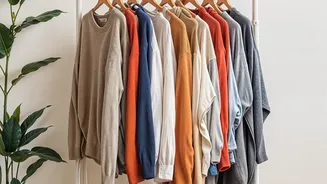
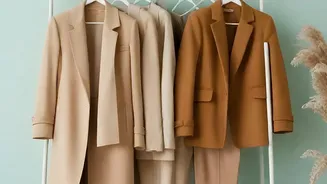
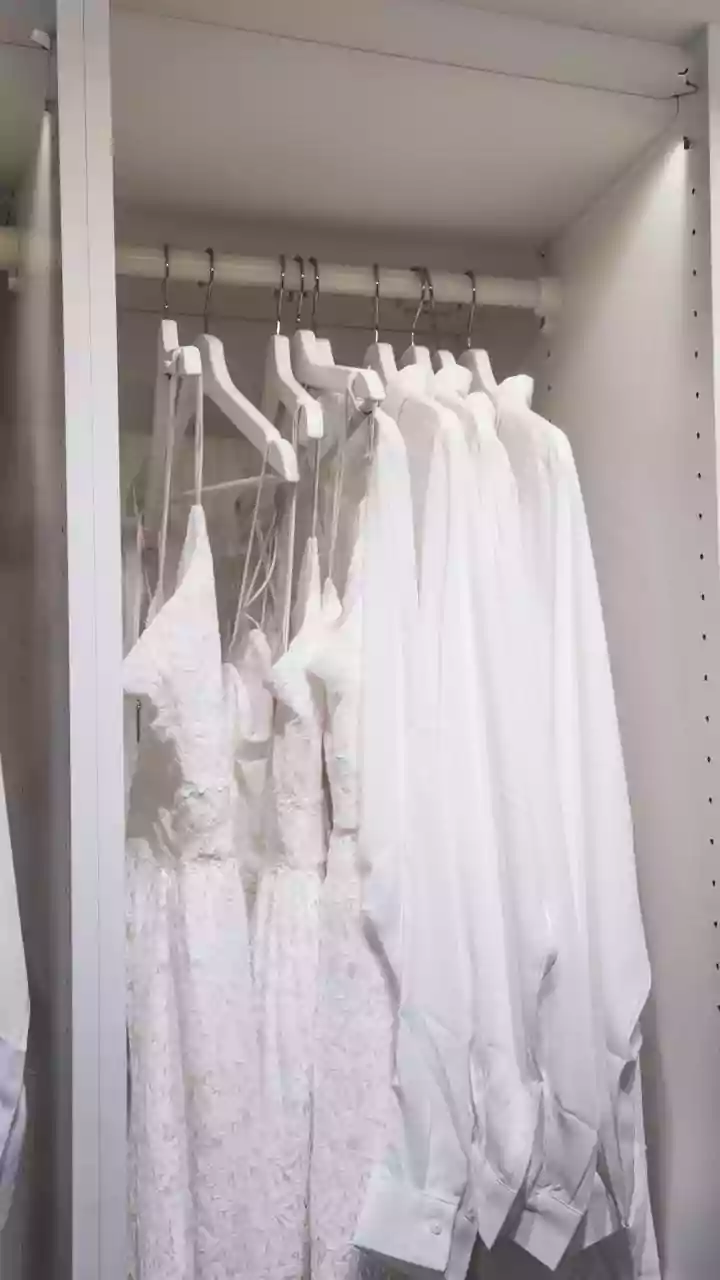
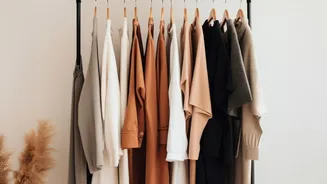
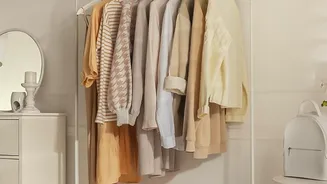
A cohesive colour palette is the secret to a mix-and-match wardrobe where everything works together. Start by choosing two to three neutral base colours. These are the timeless shades that will form the backbone of your wardrobe, like black, navy, grey, camel, or ivory. Next, select two to three main or accent colours. These are the shades that inject personality and flatter you most. Think about colours that you naturally gravitate towards and receive compliments on. A good rule of thumb is the 80/20 rule: 80% of your wardrobe should be neutrals, with 20% reserved for your accent colours.
Step 4: Select High-Quality, Versatile Core Pieces
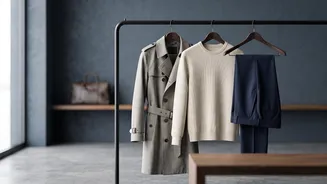
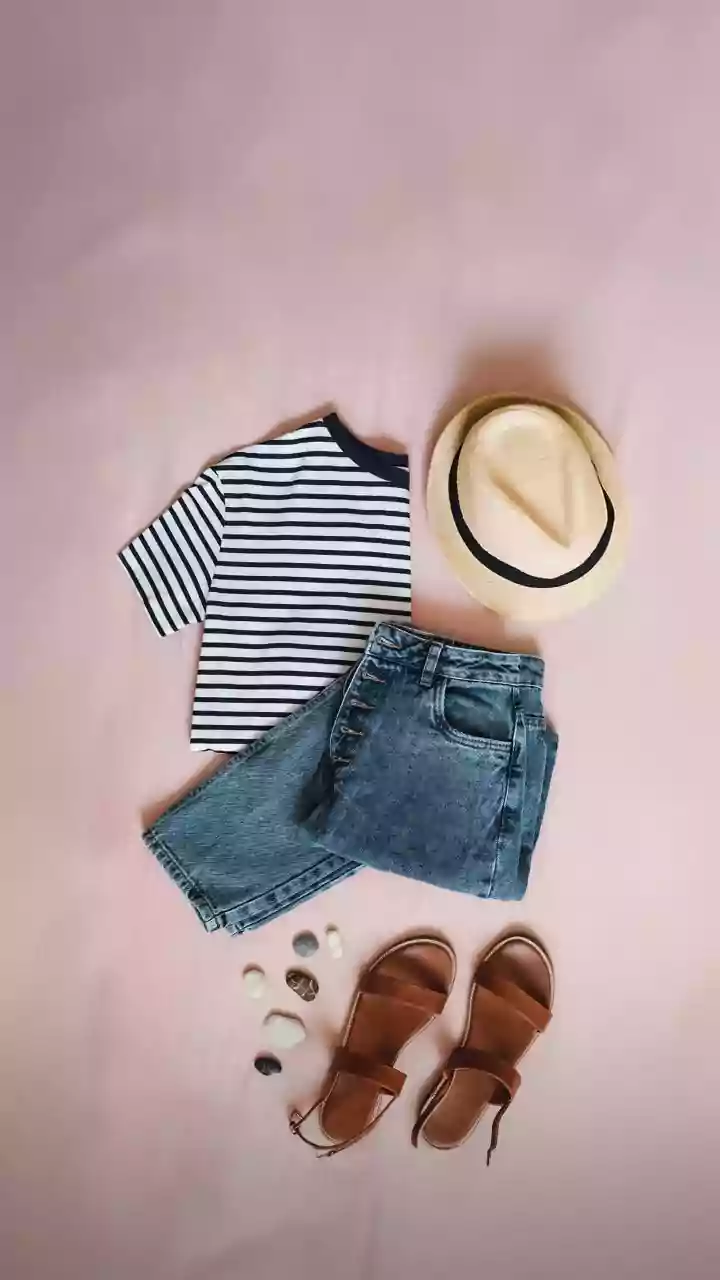
With your style and colour palette defined, it’s time to select your core items. The goal is quality over quantity. These are the workhorses of your wardrobe, so invest in the best you can afford. Look for pieces that are versatile enough to be dressed up or down and can be worn across multiple seasons. Essential items often include a pair of well-fitting jeans, tailored trousers, a classic white t-shirt, a neutral sweater, a blazer or jacket, and a versatile dress or skirt. Each piece should be able to create multiple outfits by pairing with at least two or three other items in your collection.
Step 5: Layer in Personality with Textures and Accessories
A small wardrobe doesn't have to be boring. Personality comes from the details. Incorporate different textures like cashmere, linen, silk, or ribbed knits to add visual interest, even within a monochrome outfit. Accessories are also crucial for multiplying your outfit options. A few well-chosen items—like a quality leather belt, a signature piece of jewellery, a colourful scarf, or a classic handbag—can completely transform the look of your core basics. These are the elements that make a simple outfit feel uniquely yours.
Step 6: Maintain Your Wardrobe with Mindful Habits
Building your small wardrobe is the first step; maintaining it is the key to long-term success. Adopt the 'one-in, one-out' rule: for every new item you bring into your closet, one must go. This prevents the slow accumulation of clutter. Before buying anything new, pause and consider if it truly fits your personal style, fills a genuine gap, and works with your existing pieces. Resist the pull of fast-fashion trends and focus on timeless items that reflect your style. A small wardrobe is a living collection that evolves with you, so seasonal reviews can help you reassess what's working and what's not.