






The Long-Awaited Relief
Imagine a land baked brown by months of relentless, scorching heat. The air is thick with dust, the sun a merciless anvil in the sky. This is the prelude to the Indian monsoon. When the first dark clouds finally gather on the horizon, it’s not just a weather
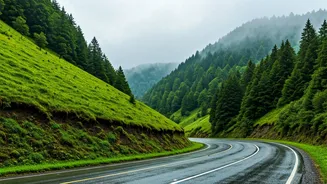
event; it's a national sigh of relief. The first drops of rain striking the parched earth release a scent so potent it has its own name: petrichor. This earthy perfume signals a deliverance. The temperature plummets, the oppressive heat breaks, and a wave of collective joy washes over the subcontinent. Rivers that were mere trickles begin to swell, and landscapes transform from ochre to a vibrant, almost impossibly lush green. This is the monsoon everyone dreams of—a beautiful, life-affirming spectacle.
The Lifeblood and the Threat
This beauty, however, is inseparable from its utility. The monsoon is the literal lifeblood of India, replenishing over 70% of the country's annual rainfall in just a few months. For millions of farmers, the timing and intensity of the rains determine the success of their harvest and, by extension, their survival. A good monsoon can fuel economic growth; a weak one can spell disaster. But this dependency reveals the monsoon's darker side. It's not a gentle, predictable shower. It is a fierce, untamable force. The same rains that nourish the crops can also unleash devastating floods, trigger landslides, and bring entire cities to a grinding halt. This duality is the first secret: the monsoon is both a creator and a destroyer, often in the very same season.
Surviving the Urban Deluge
Nowhere is this chaos more visible than in India's sprawling metropolises. In cities like Mumbai, the monsoon is an annual test of resilience. Streets transform into canals, and the city’s famously reliable train network—its very artery—can be submerged and shut down in hours. Commutes that normally take an hour can stretch into epic, day-long journeys. Yet, life doesn’t stop. Instead, it adapts. You see office-goers with their trousers rolled up, wading through knee-deep water. You witness the emergence of an informal “monsoon economy” of people offering to carry others across flooded streets or helping push stalled vehicles. This is the secret grit beneath the glossy surface: a spirit of improvisation and communal support, known locally as 'jugaad,' that allows the city to function against all odds. It’s a frustrating, messy, and deeply impressive display of human fortitude.
A Feast for the Senses
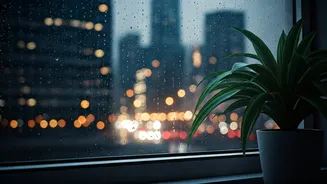
While the outside world might be chaotic, the monsoon drives life indoors, fostering a unique culture of coziness and culinary indulgence. The sound of rain drumming on a tin roof becomes the season's soundtrack. The drop in temperature brings a craving for hot, comforting foods. Roadside stalls suddenly teem with vendors frying up 'pakoras' (vegetable fritters) and 'samosas,' served with steaming cups of sweet, milky 'chai.' The combination of hot, crispy, and spicy fare against the cool, damp air is a sensory experience deeply embedded in the Indian soul. It's a time for family gatherings, for storytelling, and for simply sitting by a window and watching the world get washed clean. This is the intimate, personal secret of the monsoon—a season not just of weather, but of feeling.