
The Art of Botanical Infusions
At its heart, a botanical infusion is simply the process of steeping plant materials—like herbs, spices, flowers, and fruit—in a liquid to extract their flavours and aromas. While we’ve been doing this with hot tea for centuries, the modern cafe trend
focuses on cold brewing. This method involves steeping tea leaves and other botanicals in cold or room-temperature water for an extended period, typically from four to 24 hours. The result is a drink that's noticeably different from its hot-brewed counterpart.
Why Cold Brew and Lemongrass?
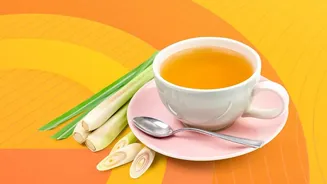
The magic of this combination lies in its smooth and vibrant flavour profile. Cold brewing is a gentler process than using hot water. It extracts the delicate flavours of the tea leaves while leaving behind many of the tannins that can cause bitterness. This creates a naturally sweeter and smoother base. When you introduce fresh lemongrass, with its bright, citrusy notes and hint of spice, it creates a perfectly balanced and aromatic beverage. Lemongrass has a long history in herbal preparations and is known for its refreshing qualities, making it an ideal partner for the mellow character of cold-brew tea.
Recipe 1: Classic Lemongrass Cold Brew
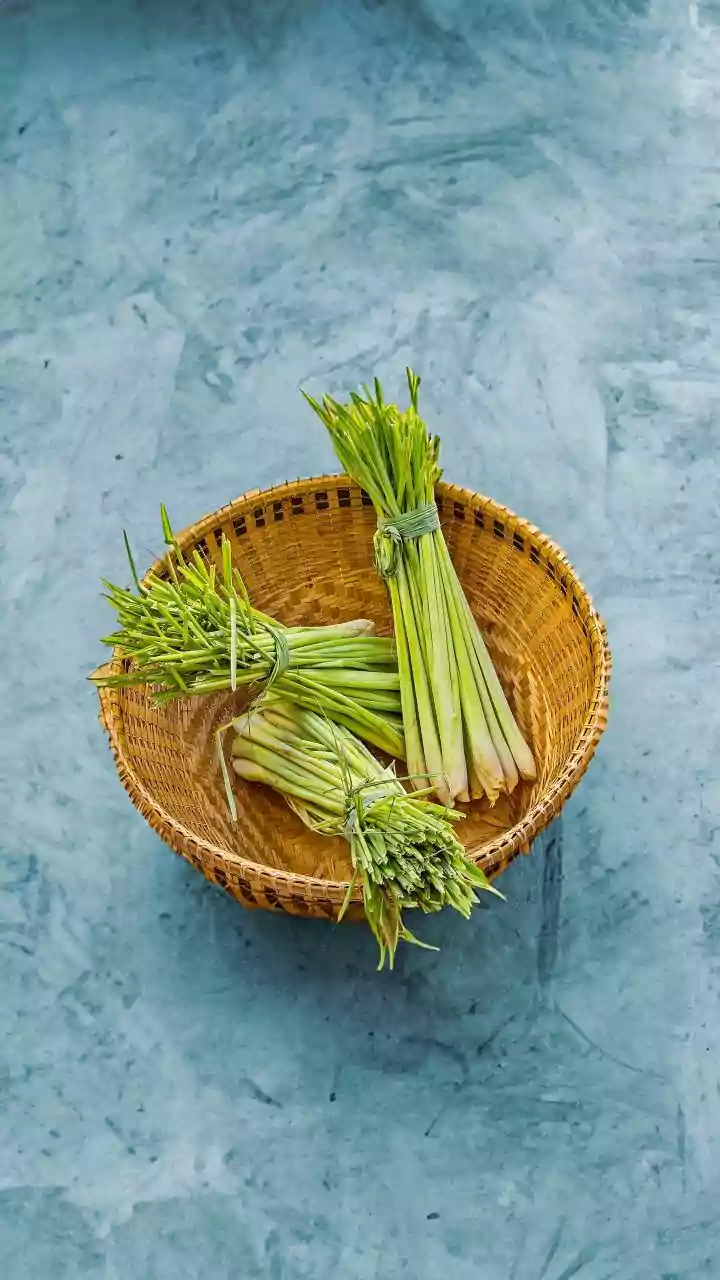
This foundational recipe is the perfect starting point for your infusion journey. It works well with a smooth black tea or a delicate white tea.Ingredients:- 4 teaspoons loose-leaf tea (or 4 tea bags)- 2 stalks fresh lemongrass- 1 litre cold, filtered water- Sweetener like honey or sugar (optional)Method:1. Prepare the lemongrass: Trim the root end and any dry upper leaves. Lightly bruise the stalks with the back of a knife to help release their aromatic oils, then chop them into 2-inch pieces.2. Combine ingredients: Place the tea and prepared lemongrass in a large jar or pitcher.3. Add water: Pour the cold water over the tea and lemongrass. Stir gently to ensure everything is submerged.4. Steep: Cover the container and refrigerate for 8 to 12 hours. The longer it steeps, the stronger the flavour will be.5. Strain and serve: Strain the mixture to remove the tea leaves and lemongrass pieces. Taste and add sweetener if desired. Serve over ice for a perfect hot-weather refreshment.
Recipe 2: Ginger and Lemongrass Green Tea
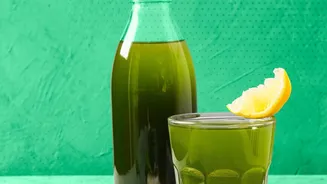
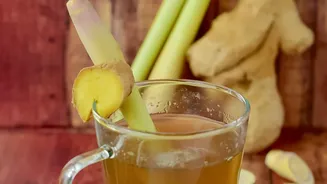
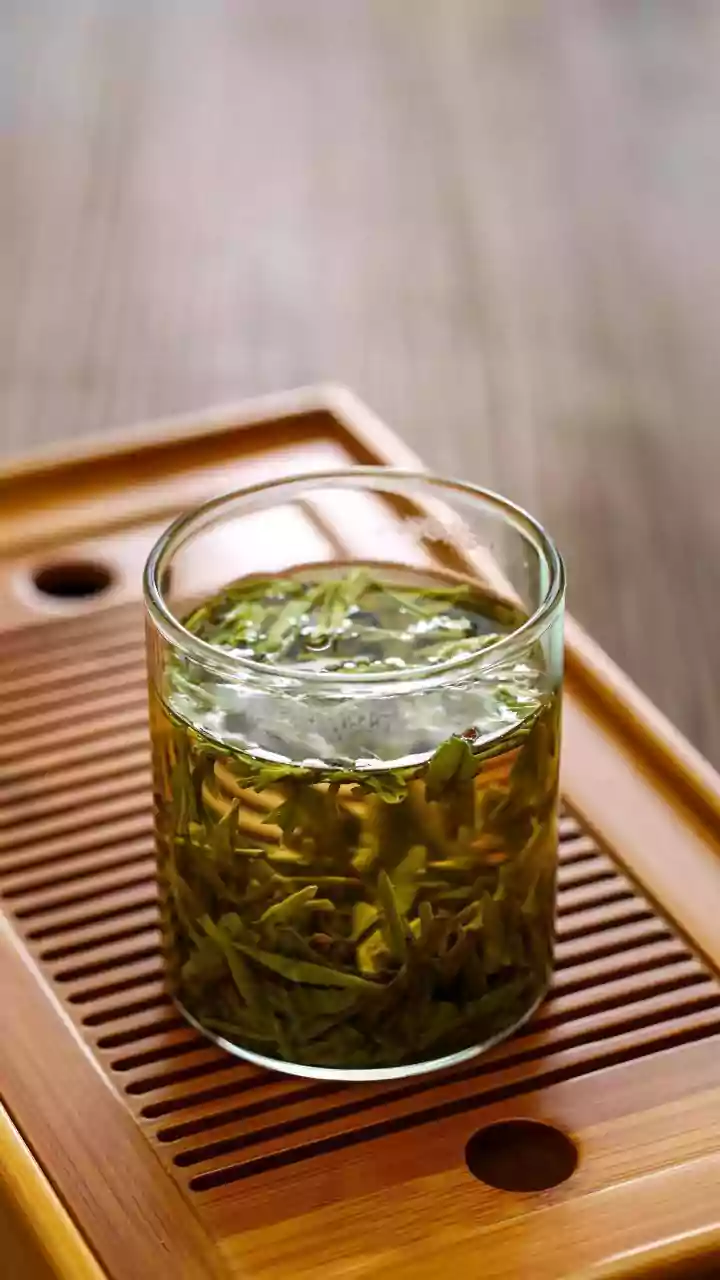
For a version with a bit more zing, this recipe introduces the warming spice of ginger, which pairs beautifully with the citrusy notes of lemongrass and the grassy flavour of green tea.Ingredients:- 4 teaspoons loose-leaf green tea (or 4 tea bags)- 2 stalks fresh lemongrass, prepared as above- 1-inch piece of fresh ginger, peeled and thinly sliced- 1 litre cold, filtered waterMethod:1. Combine and steep: Add the green tea, prepared lemongrass, and sliced ginger to your jar or pitcher. Pour in the cold water.2. Refrigerate: Steep in the refrigerator for a shorter period, around 4 to 6 hours. Green tea can become bitter if over-steeped, even when cold brewing.3. Strain and sweeten: Strain the infusion. Green tea infusions are often best unsweetened to appreciate their delicate flavour, but you can add a touch of honey to taste.4. Serve: Pour over ice and garnish with a fresh mint sprig.
Recipe 3: Fruity Hibiscus and Lemongrass Brew
This caffeine-free herbal infusion is a visual and flavourful delight, with the tart, cranberry-like taste of hibiscus and a stunning ruby colour.Ingredients:- 2 tablespoons dried hibiscus flowers- 2 stalks fresh lemongrass, prepared as above- 1 litre cold, filtered water- A few slices of orange (optional)Method:1. Mix the botanicals: Place the dried hibiscus, prepared lemongrass, and optional orange slices in a pitcher.2. Add water and steep: Pour in the cold water and let it steep in the refrigerator for 6 to 8 hours.3. Strain and serve: Strain the vibrant red infusion. Hibiscus can be quite tart, so sweetening with a simple syrup or agave nectar is common. Serve chilled over plenty of ice.