

The Art of Selecting Sarees
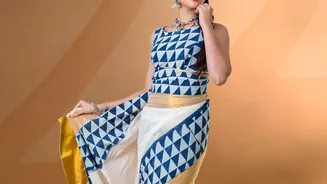
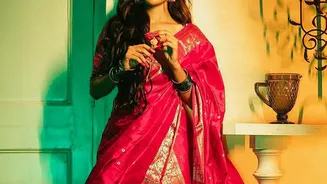
The first step, according to decorators, is choosing the right sarees. This isn't just about colour, but also fabric and memory. Lighter fabrics like chiffon, georgette, and soft cottons are perfect for creating sheer, light-filtering layers that add
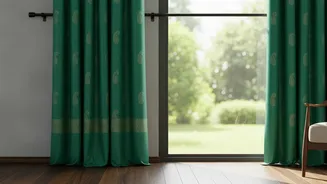
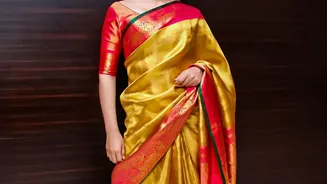
a sense of airiness to a room. Heavier silks, such as Banarasi or Kanjivaram, lend themselves to more opulent, formal drapes that act as a statement piece. Decorators often advise clients to consider the story behind the saree. A grandmother's wedding saree or a mother's favourite cotton print carries an emotional weight that adds a unique soul to the room. When selecting, lay the sarees out together to see how their colours and textures interact before making a final decision.
Mastering the Colour Palette
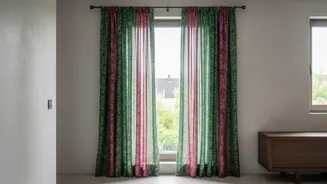
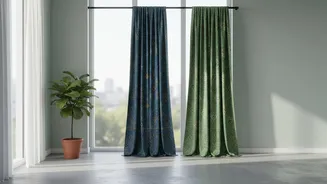
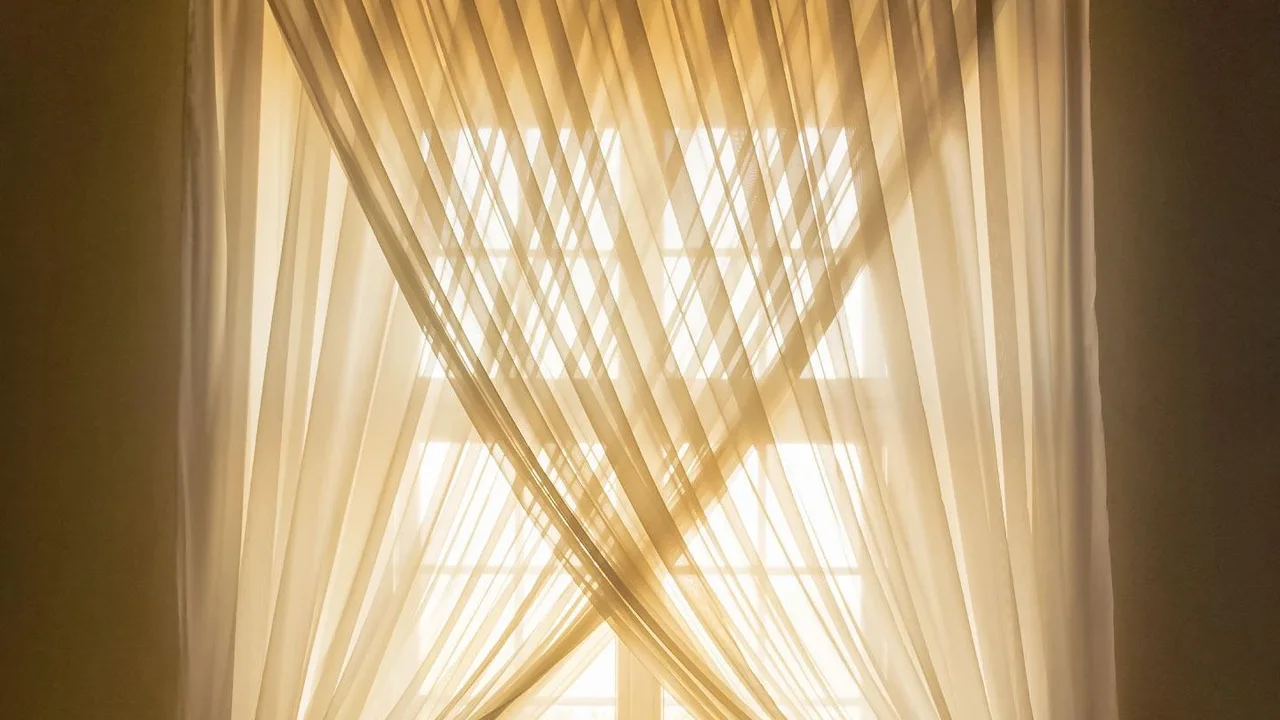
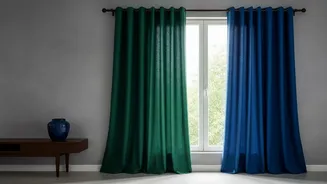
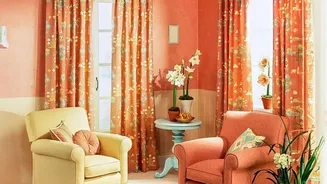
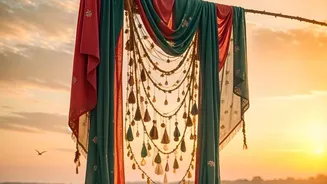
The secret to a decorator-approved look lies in the colour combination. A popular and timeless approach is to pair a neutral or sheer saree with a more vibrant, patterned one. For instance, a simple cream or off-white cotton saree can serve as the base layer on a double curtain rod, allowing sunlight to filter through softly. The outer layer can then be a richer, colourful silk or a block-printed design that complements the room's existing decor. Another strategy is to use two sarees in complementary colours, like a soft blue paired with a beige or a mint green with a cream. This creates a harmonious and intentional look rather than a chaotic mix. The key is to ensure the colours tie into other elements in the living room, such as cushion covers or wall art, for a cohesive feel.
The Technique of Layering
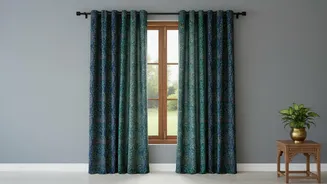
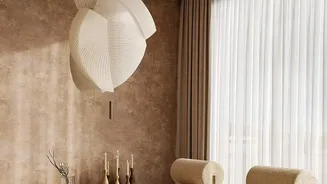
Layering is what elevates saree curtains from a simple DIY project to a sophisticated design element. The most effective way to achieve this is by using a double curtain rod. This hardware allows two sets of curtains to be hung independently, giving you maximum control over light and privacy. The sheer or lighter saree typically hangs on the inner rod, closest to the window, while the heavier or more decorative saree hangs on the outer rod. This allows you to draw the outer curtains for privacy while still enjoying the diffused light from the sheer layer. Decorators also play with length; allowing the sheer layer to 'puddle' slightly on the floor can add a touch of romanticism, while keeping the outer drape just above the floor maintains a clean, crisp line.
Hardware and Finishing Touches
The right hardware is crucial. A sturdy, elegant double rod in a finish like brushed nickel or antique bronze can frame the window dressing beautifully. Don't forget the finishing touches. Simple, elegant tie-backs can be used to hold the outer drapes open, showcasing the sheer layer underneath and creating a graceful silhouette. Some decorators even use the embellished 'pallu' or border of a contrasting saree to create bespoke tie-backs or a valance. It is also recommended to add a cotton lining to the back of the sarees, especially silks, to protect them from sun damage and help them hang better. These small details are what give the final arrangement a polished, professional look.
Beyond the Drape
While window drapes are a fantastic use for old sarees, decorators often incorporate the fabric in other ways to unify a room's design. Leftover fabric from the curtains can be transformed into matching or contrasting cushion covers, a table runner, or even stretched over a canvas to create unique wall art. This repetition of colour and pattern throughout the space creates a sense of rhythm and intention. Using a single saree as a dramatic, non-functional wall hanging or a room divider can also create a stunning focal point, celebrating the textile's beauty in its entirety. This holistic approach ensures the upcycled element feels like an integrated and celebrated part of your home's story.