
The Zero-Waste Flavour Bomb
In the quest for a more sustainable kitchen, we often overlook the most flavourful parts of our fresh herbs. Coriander and mint stems, which are frequently discarded, are packed with the same aromatic compounds as their leaves. Transforming them into
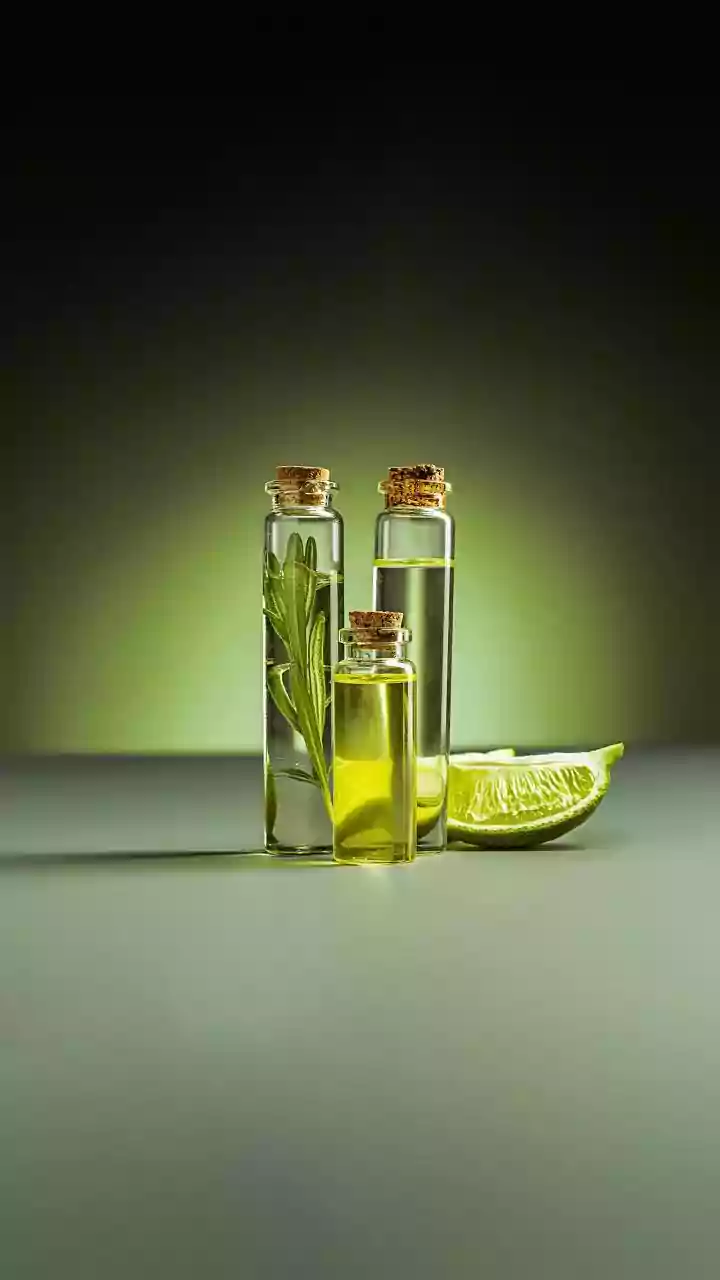
an infused oil isn't just a clever zero-waste hack; it's a way to create a gourmet ingredient that can elevate everyday meals. This bright green, intensely fragrant oil captures the essence of the herbs, giving you a versatile condiment that costs practically nothing to make. It’s a simple step towards reducing food waste while adding a chef-quality touch to your cooking arsenal.
What You Will Need
The beauty of this recipe lies in its simplicity. You don't need any special equipment, though a high-speed blender will yield the smoothest results. Gather a large bunch of leftover coriander stems, mint stems, or a combination of both. You will also need a neutral-flavoured oil like grapeseed, sunflower, or a light olive oil, which will allow the fresh herb flavours to shine through. For the process, you'll need a pot for boiling water, a bowl for an ice bath, a blender, and a fine-mesh sieve or cheesecloth for straining. A pinch of salt for the blanching water is also essential.
The Blanch-and-Shock Technique
The secret to a vividly green herb oil that doesn't turn brown is a technique called blanching. This involves briefly plunging the herbs into boiling water before quickly transferring them to an ice bath to stop the cooking process. Bring a pot of salted water to a boil. Add your herb stems and cook for just 15 to 30 seconds, or until they turn a brilliant, bright green. Using a slotted spoon, immediately move the stems into a prepared bowl of ice water. Let them cool completely. This quick process locks in the chlorophyll, ensuring your final oil has a stunning, vibrant colour. Once cooled, remove the stems and squeeze out as much water as possible; excess moisture can lead to a cloudy oil and shorten its shelf life.
Blending and Infusing the Oil
Now for the main event. Roughly chop your blanched and dried stems and place them in a blender. A good starting ratio is approximately one part herbs to one-and-a-half or two parts oil by weight, but you can adjust this to your liking. Pour your chosen oil over the stems. Start blending on a medium speed to break everything down, then increase to high and blend until the mixture is as smooth as possible, which might take a few minutes. Some methods suggest gently heating the oil before blending to around 80°C to help with the infusion, but a good blender can achieve a similar effect through friction.
Straining for a Silky Finish
For a clear, professional-grade oil, straining is a crucial step. Line a fine-mesh sieve with a few layers of cheesecloth or a coffee filter and place it over a clean bowl or jar. Pour the blended herb and oil mixture into the lined sieve. Don't be tempted to press down on the solids to speed up the process, as this can push through small particles and make your oil cloudy. Instead, let gravity do the work. It may take a couple of hours for all the oil to drip through, but your patience will be rewarded with a crystal-clear, beautifully green infusion. Once strained, discard the leftover pulp.
Safe Storage and Delicious Uses
Proper storage is critical for homemade infused oils. Because fresh herbs contain moisture, there is a risk of bacterial growth, including Clostridium botulinum, if stored improperly. To be safe, your fresh herb oil must be stored in an airtight container in the refrigerator and should be used within a week. Some experts recommend using it within two to four days for maximum safety and freshness. Now for the fun part: using your oil. Drizzle it over grilled vegetables, fish, or chicken. Use it as a flavourful base for salad dressings or marinades. Swirl it into soups, dal, or yogurt for a pop of colour and flavour. It's also fantastic for finishing a pasta dish or simply for dipping with a good loaf of bread.