





An Obsession Beyond Flavour
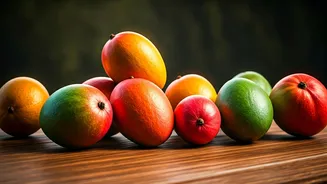
In India, the mango is not merely a fruit; it's a cultural icon, an emotion wrapped in a vibrant peel. It’s the taste of childhood holidays, the subject of poetry, and the undisputed ‘king of fruits’. This deep-seated reverence forms the bedrock of the mango tasting
trend. For many young urbanites, who may have grown up on a limited variety of commercially available mangoes, the opportunity to explore the vast spectrum of this fruit is an act of cultural rediscovery. These events are less about simple consumption and more about education and appreciation, turning a snack into a connoisseur’s pursuit. It taps into a collective nostalgia while offering a sophisticated, modern twist.
Delhi as the Mango Epicentre
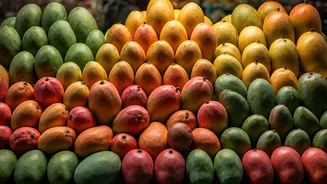
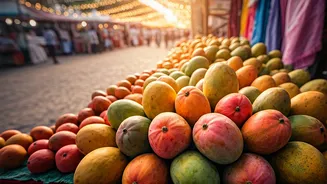
While Delhi itself isn't a mango-growing region, its strategic location makes it the perfect hub for this phenomenon. The city is the gateway to the famed mango belt of Uttar Pradesh, home to legendary varieties like Dasheri, Langra, and Chausa. Trucks laden with the freshest produce from orchards in Malihabad and Saharanpur converge on the capital's markets. This geographical advantage means Delhi gets access to a staggering diversity of mangoes, many of which never make it to other parts of the country. From the massive government-backed International Mango Festival to smaller, bespoke events, the city transforms into a national stage for the fruit, making it the logical destination for any true enthusiast.
The Rise of Curated Tastings
Today’s mango tasting goes far beyond a simple fruit platter. Entrepreneurs and food curators in Delhi have elevated it into a multi-sensory experience. Imagine a guided session where an expert walks you through the distinct notes of a dozen different varieties—from the fibreless sweetness of a Rataul to the tangy complexity of a Gulab Khas. These events often include stories about the fruit's origin, the farmers who grow them, and even food pairings with cheese, wine, or savoury dishes. This shift from passive eating to active 'experiencing' is a key draw for millennials and Gen Z, who prioritise memorable activities over material possessions. It’s a chance to learn, engage, and taste authenticity.
A Social and Digital Phenomenon
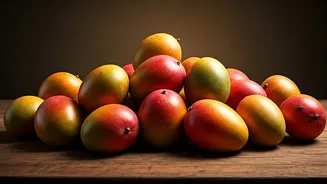
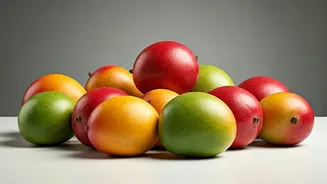
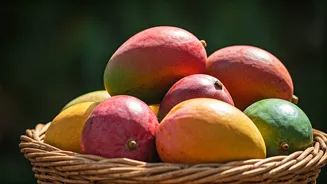
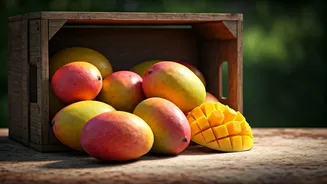
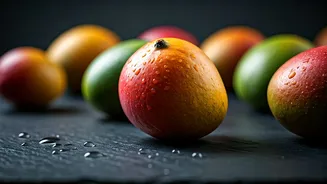
In the age of social media, an experience isn't complete until it's shared. Mango tasting events are inherently Instagrammable. The vibrant colours of the fruit, the beautifully arranged platters, and the communal atmosphere create perfect photo opportunities. For young Indians, these gatherings are also valuable social currency. It’s a unique weekend plan, a conversation starter, and a way to connect with like-minded people who share a passion for food and culture. Attending a mango tasting in Delhi signals a certain level of cultural engagement and a taste for unique, off-beat experiences, which holds significant appeal for a generation eager to build a distinct personal identity both online and off.
Seeking Authenticity and Connection
Underlying this trend is a deeper search for authenticity. Amid growing concerns about artificially ripened fruits and pesticide use, these curated events often promise farm-fresh, organically grown, and naturally ripened mangoes. The narrative of 'farm-to-table' resonates strongly with a health-conscious and environmentally-aware demographic. By travelling to Delhi for these tastings, participants feel they are bypassing the commercial supply chain to connect more directly with the source. It’s a journey to taste the 'real' mango, the one that tastes like a memory from a grandparent’s farm—a small but meaningful pilgrimage back to the roots in a fast-paced, modern world.