
A Culinary Time Capsule
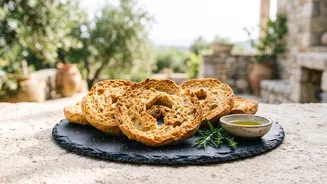
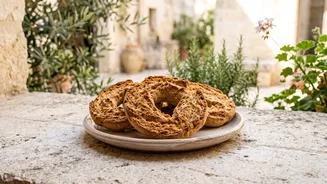
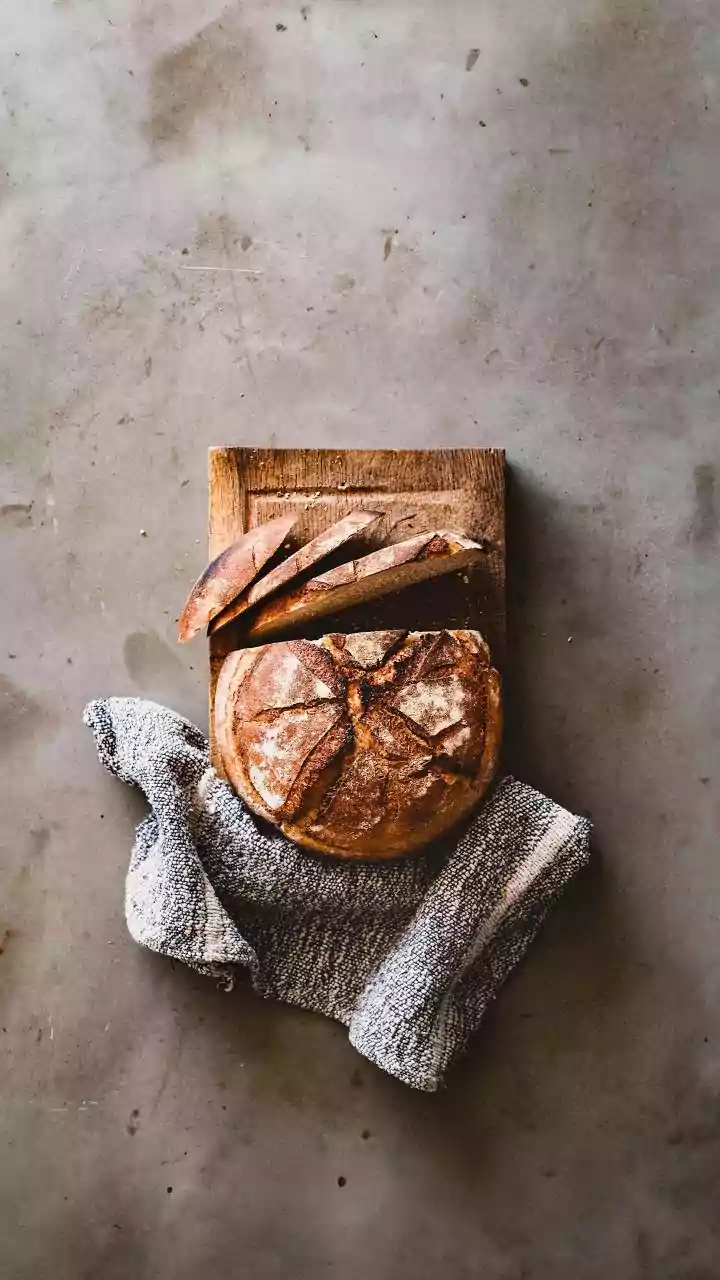
Friselle, also known as frise or freselle, are hard, ring-shaped breads originating from the southern regions of Italy, particularly Puglia, Campania, and Calabria. Their history is a story of necessity. Dating back centuries, they were the ideal food
for sailors, soldiers, and farmers who needed sustenance that could endure long journeys and hot climates without spoiling. Sometimes called 'the bread of the Crusaders', friselle were a reliable provision for Christian troops heading to the Holy Land. The iconic hole in the centre wasn't just for looks; it allowed sailors to string them on a rope for easy storage on long sea voyages. Initially, there were two versions: a more common one made from barley for working families and another from durum wheat, reserved for the wealthy.
The Secret is in the Second Bake
The incredible shelf life of friselle comes from a simple but brilliant technique: they are twice-baked. The process is similar to that of biscotti, which literally means 'twice-cooked'. First, the dough—a basic mix of durum wheat or barley flour, water, yeast, and salt—is shaped into large rings and baked until cooked through. While still warm, the rings are sliced horizontally and then baked a second time at a lower temperature. This second baking drives out nearly all the moisture, creating a rock-hard, dry bread that is exceptionally resistant to mould and spoilage. When stored properly in a cool, dry place, friselle can last for many months, making them a model of sustainable, waste-free food.
How to Bring Friselle to Life
Eating a frisella straight from the bag would be a challenge for even the strongest teeth. The magic happens in a ritual locals call 'sponzare', or soaking. Before serving, the hard bread must be rehydrated. This is done by briefly dipping it in a bowl of cold water or holding it under a running tap for a few seconds. The goal isn't to make it soggy but to soften the porous interior while leaving some of the outer crust with a satisfying crunch. In ancient times, sailors and fishermen would simply dip them in seawater, adding a natural saltiness to their meal. This quick bath prepares the frisella to absorb the delicious toppings that will transform it into a meal.
The Classic Puglian Masterpiece
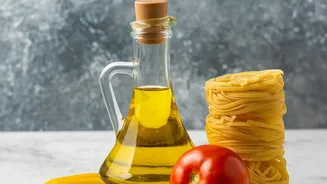
The most iconic way to enjoy friselle is a testament to the beauty of simple, high-quality ingredients. Once softened, the rough side of the frisella is often rubbed with a clove of garlic. Then, it's generously topped with chopped, sun-ripened cherry tomatoes, a sprinkle of salt, a dash of oregano, and a liberal drizzle of vibrant, green extra virgin olive oil. The rough, open crumb of the bread is perfectly designed to soak up the tomato juices and olive oil without falling apart, creating a perfect balance of textures: soft, juicy, and crunchy all in one bite. It's a dish that embodies the taste of an Italian summer—fresh, rustic, and effortlessly delicious.
Beyond the Traditional Topping
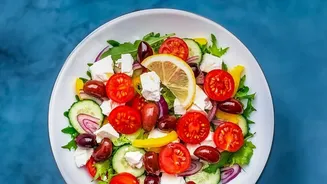
While the classic tomato preparation is beloved, the versatility of friselle is part of its charm. It serves as a sturdy canvas for a wide variety of other ingredients. In Campania, it might be topped with a local style of 'caponata' featuring anchovies, tomatoes, and garlic. Other popular toppings include bean salads, roasted vegetables, canned tuna, olives, or cheeses like creamy ricotta. Some even enjoy it for breakfast, dunked in coffee or milk. From a simple snack to a substantial appetiser, friselle can be adapted for any season or taste, proving its journey from a humble survival food to a celebrated component of modern Italian cuisine is well deserved.