




That bright, citrusy, and deeply aromatic scent of lemongrass can transport you straight to a Vietnamese street food stall or a Thai kitchen. This versatile herb is the secret to countless Southeast Asian dishes, and it's surprisingly easy to use.
The Essential Lemongrass Marinade
The
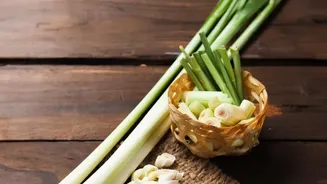
foundation of countless flavourful meals is a solid lemongrass marinade. While recipes vary, they all balance a core set of ingredients to create a taste that is savoury, sweet, and aromatic. To start, you'll need finely minced lemongrass, focusing on the tender, pale lower part of the stalk. This is the most crucial component, releasing a fragrant, citrusy oil. A food processor can make quick work of this. Next, you'll need aromatics like minced garlic and shallots. The savoury depth, or umami, typically comes from fish sauce, with a touch of soy sauce sometimes added for colour and complexity. To balance the saltiness, sugar or honey is essential; it not only adds sweetness but also helps create a beautiful caramelised crust when cooking. Finally, a splash of lime juice or oil can round out the mixture. Whisk all these ingredients together, and you have a powerhouse marinade ready for action.
Perfect for Grilling and Barbecuing
Lemongrass marinade truly shines on the grill. It's famously used for Vietnamese grilled chicken and pork. For best results, use cuts like boneless, skinless chicken thighs or thinly sliced pork shoulder, as they absorb the flavour well and remain juicy. Allow the meat to marinate for at least two hours, but overnight is even better for a deeper flavour infusion. When grilling, be mindful that the sugar in the marinade can cause it to burn quickly. Cook over medium-high heat, shaking off any excess marinade before placing the meat on the grill. The result is a smoky, charred exterior with a tender, flavour-packed inside. These grilled meats are perfect served over rice, in a noodle salad, or stuffed into a banh mi sandwich.
Sensational Skewers and Stir-Fries
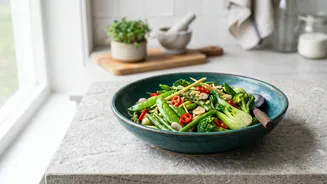
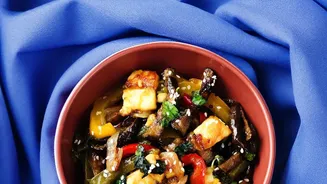
Beyond large cuts of meat, lemongrass marinade is ideal for smaller, quicker preparations like skewers and stir-fries. Cut chicken, pork, or extra-firm tofu into bite-sized cubes, marinate for at least 30 minutes, and thread them onto skewers for an easy-to-cook appetiser or main course. This method is great for ensuring every piece is coated in flavour. The marinade can also be used as a flavour base for a quick stir-fry. Sauté your protein of choice—shrimp and tofu work exceptionally well—then add your favourite vegetables like bell peppers, onions, and broccoli. The marinade acts as a complete sauce, creating a vibrant and delicious meal in minutes with minimal effort.
Flavourful Roasted Meats and Vegetables
Don't limit your lemongrass adventures to the grill. This marinade works wonders in the oven as well. It can be used to coat a whole spatchcocked chicken, giving you crispy, golden-brown skin and succulent meat infused with aromatic flavour. Bone-in, skinon chicken thighs also roast beautifully with this marinade, becoming deeply bronzed and glossy. The marinade isn't just for proteins; it's also a fantastic way to liven up roasted vegetables. Toss hearty vegetables like cauliflower, eggplant, mushrooms, or zucchini in the marinade before roasting at a high temperature. The sugars will caramelise, and the vegetables will absorb the complex sweet, sour, and savoury notes.
Beyond the Main Course
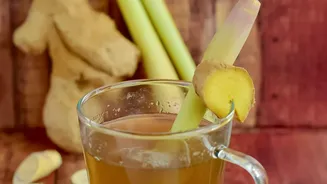
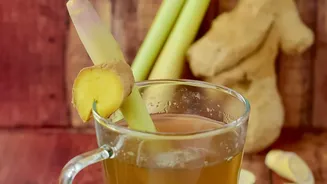
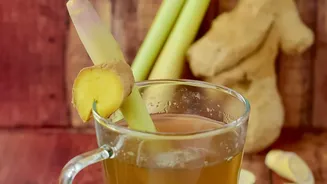
The versatility of lemongrass extends past typical main dishes. Use the marinade as a flavour booster for pork or chicken meatballs, which can then be simmered in a coconut curry or served as an appetiser. You can also make a compound butter by mixing minced lemongrass, garlic, and herbs into softened butter to melt over grilled steak or fish. Furthermore, the base ingredients of the marinade can be adapted into a dipping sauce (like a classic Vietnamese nuoc cham) or a dressing for a fresh noodle salad. You can even use lemongrass stalks to make a simple, refreshing tea or a fragrant simple syrup for drinks and desserts.