


What Exactly is Animal Flow?
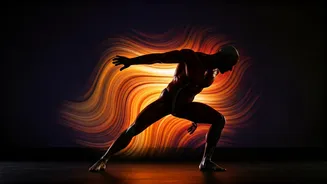
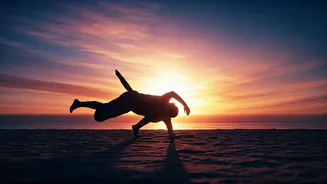
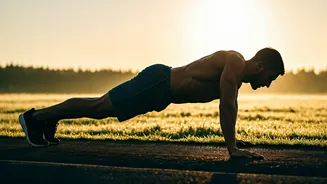
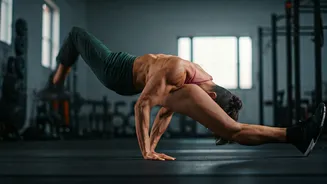
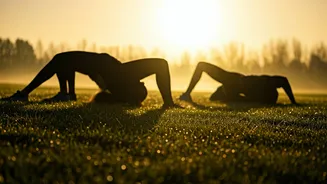
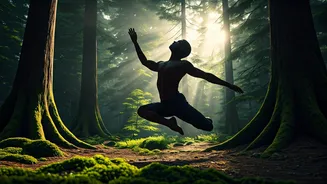
Forget treadmills and dumbbells for a moment. Animal Flow is a ground-based, bodyweight training system that blends elements from yoga, gymnastics, and even breakdancing to create a fluid, challenging, and surprisingly fun workout. Created by fitness
expert Mike Fitch, the practice is built around a series of movements designed to improve strength, flexibility, coordination, and, most importantly, mobility. Instead of isolating muscles, Animal Flow teaches you to move your body as one integrated unit. It’s about reconnecting with the way our bodies are fundamentally designed to move—crawling, squatting, and balancing—free from the constraints of chairs and screens.
Start with Your Wrists
Since you’ll be spending a lot of time on your hands, preparing your wrists is non-negotiable. Neglecting this can lead to discomfort or injury. Before you attempt any of the main movements, spend a few minutes warming up. Start on your hands and knees. Gently rock your weight forward and backward over your wrists. Make circles in both directions. Then, flip your hands so the palms face up and your fingers point towards your knees. Lean back gently to feel a stretch in your forearms. This simple routine increases blood flow and prepares the delicate joints for the load they are about to bear.
Movement 1: The Beast
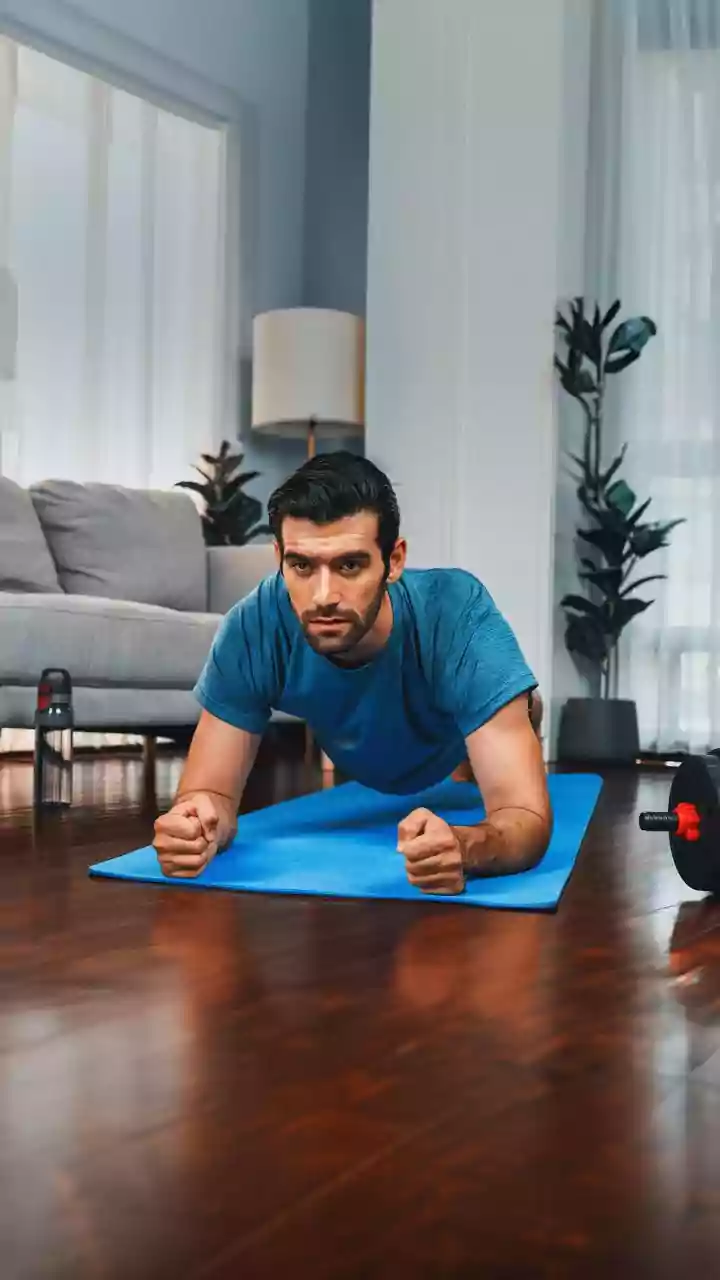
The Beast is a foundational static position in Animal Flow, but don’t let its stillness fool you—it’s a full-body workout. Start on all fours in a tabletop position, with your hands directly under your shoulders and your knees under your hips. Spread your fingers wide and grip the floor. Now, engage your core and lift your knees just an inch or two off the ground. Your back should be flat, like a tabletop. Hold this position. You’ll feel your quads, core, shoulders, and back light up. The Beast position is crucial for building the stability and endurance needed for more complex flows, and it activates nearly every joint in your body.
Movement 2: The Crab Reach
If you sit at a desk, this move is your new best friend. The Crab Reach is a fantastic mobiliser for the thoracic spine (your mid-back) and hips, areas that become notoriously tight from prolonged sitting. Start by sitting on the floor with your knees bent and feet flat, about hip-width apart. Place your hands on the floor behind you, fingers pointing away. This is the Crab position. From here, lift your hips off the floor. Now, lift one hand, reach it up towards the ceiling, and continue the arc over your head as you drive your hips higher. You should feel a deep stretch through your side, chest, and hip flexors. Lower down with control and repeat on the other side.
Movement 3: The Ape
The deep squat is a fundamental human movement pattern that many adults have lost the ability to do comfortably. The Ape helps you reclaim it. Start by lowering into a deep squat, going as low as you can while keeping your heels on the ground (or as close as possible). Your feet should be slightly wider than your hips. Place your hands on the floor between your feet. Now, keeping your hips low, lift one hand and then the other to “walk” yourself to one side, letting your feet follow. The goal is to stay low and move with control. This movement opens up the hips, knees, and ankles, building mobility from the ground up.
Putting It Together: A Mini-Flow
The beauty of Animal Flow is in the transitions. Try this simple sequence to get a feel for it. Start by holding the Beast position for 30 seconds. Rest, then move into your Crab position and perform 5 Crab Reaches on each side, moving slowly and deliberately. Finally, finish with 1 minute of Ape, moving side-to-side in your deep squat. As you get more comfortable, you can try to link the movements with more grace, focusing on smooth transitions rather than just executing each pose in isolation. This is where the 'flow' comes in—it becomes a moving meditation.