



Why Monsoon Can Be a Blessing
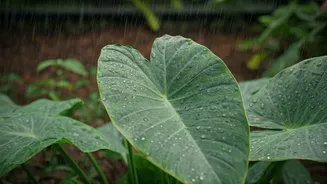
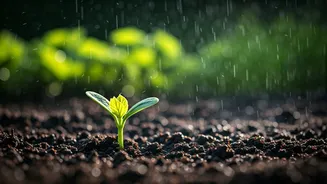
The Indian monsoon, typically from June to September, offers a rejuvenating break for plants. Rainwater is naturally soft, free of chlorine, and full of nutrients that your plants absorb readily. The increased humidity and consistent moisture create an ideal
environment for many tropical species to flourish, encouraging new growth and vibrant foliage. The rain also washes away dust and grime from leaves, allowing them to breathe and photosynthesize more efficiently. However, this season of abundance also brings challenges like waterlogging, fungal diseases, and pests. The key is to manage the excess water and heightened humidity to your advantage.
Drainage: The Golden Rule of Monsoon Care
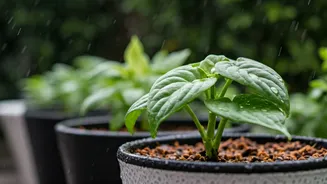
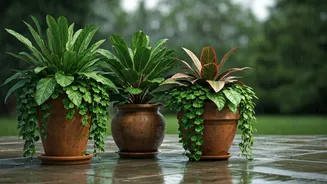
The single most important factor for plant health during the monsoon is proper drainage. Constant rain can quickly lead to waterlogged pots, which suffocates roots and causes root rot—a condition often indicated by yellowing leaves and mushy stems. Before the heavy showers set in, ensure every pot has clear, unobstructed drainage holes. Elevating your pots on bricks, stands, or even small stones allows excess water to escape freely and improves air circulation around the base. It’s also wise to remove any saucers or drip trays from underneath your pots, as they can collect stagnant water, which is a breeding ground for mosquitoes and can lead to root decay.
Choosing Your Monsoon Stars
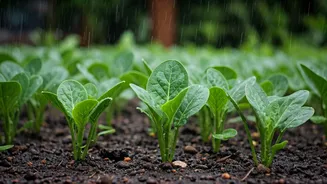
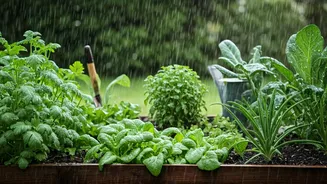
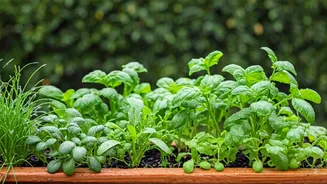
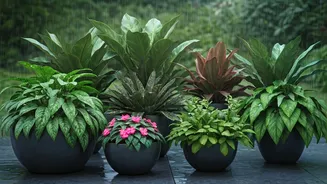
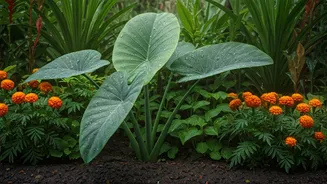
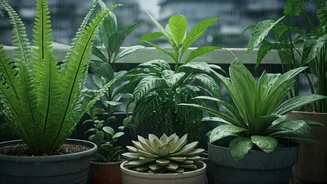
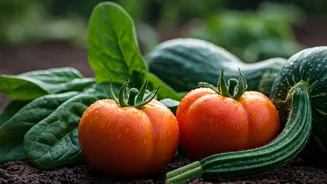
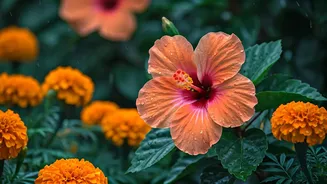
While many plants enjoy the rain, some are true monsoon lovers. These species thrive in the high humidity and moist conditions. For vibrant blooms, consider Hibiscus, Marigold, and Balsam. Rain Lilies are particularly magical, as they often burst into flower right after a downpour. Foliage plants like Monstera, Ferns, Areca Palm, and Coleus also flourish, adding lush, tropical textures to your balcony. If you're growing edibles, this is a great time for mint, coriander, spinach, and various gourds, provided they have good drainage. For more delicate plants like succulents or cacti, it’s best to move them to a sheltered spot to protect them from direct, heavy rain.
Pest and Disease Patrol
The damp, humid weather is an open invitation for pests and fungal diseases. Common issues include powdery mildew, leaf spot, and infestations of aphids, mealybugs, and slugs. The best defence is good airflow, so avoid crowding your plants. Regularly inspect your plants, especially the undersides of leaves, for any signs of trouble. A preventive spray of neem oil solution every couple of weeks can work wonders as a natural deterrent against many common pests and fungi. Also, be sure to remove any fallen leaves or debris from the pots and balcony floor, as this decaying matter can harbor pests.
A Smart Approach to Watering and Fertilizing
During the monsoon, you can significantly reduce your watering schedule. Overwatering is one of the most common mistakes gardeners make this season. Let the rain do its job and only water your plants if the top inch or two of soil feels dry to the touch. When it comes to fertilizing, less is more. Heavy rains can wash away nutrients from the soil, a problem known as leaching. Instead of frequent chemical fertilizers that can easily get washed out, opt for a slow-release organic option like vermicompost or cow dung manure. Applying a light top dressing every few weeks will replenish lost nutrients without overwhelming the plants.
Pruning and Providing Support
Monsoon is an excellent season for pruning. Trimming your plants encourages bushier, healthier growth and helps maintain a good shape. Removing any dead or yellowing leaves and branches also improves air circulation, further reducing the risk of fungal infections. Strong monsoon winds and the weight of rainwater can be harsh on tall or slender plants. Provide support by loosely tying them to stakes or your balcony railing using soft ties. This will prevent stems from snapping and ensure your green companions stand tall throughout the season.