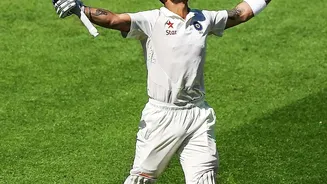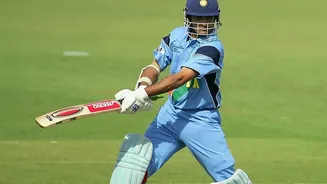


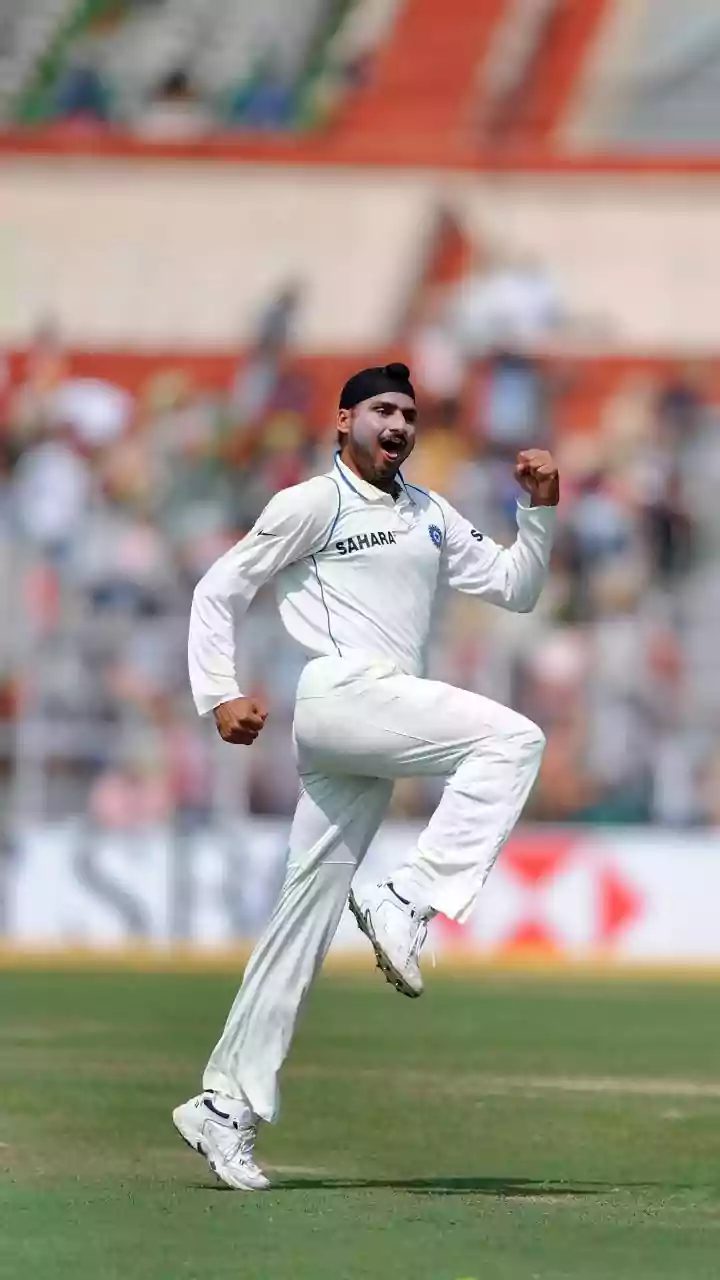


In 2005, Indian cricket was shaken by a decision that felt unthinkable. Sourav Ganguly, the captain who had rebuilt a team from ashes and taught it to win abroad, was suddenly removed from his post and then dropped from the side altogether.
An Architect of 'New India'
To understand
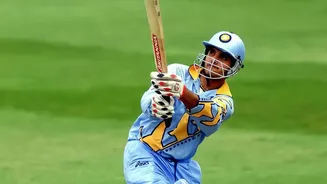
the shock of Sourav Ganguly's removal, one must first remember his impact as captain. Taking over after the match-fixing scandal of 2000, he transformed a talented but timid side into an aggressive, fighting unit. He famously backed young players like Harbhajan Singh, Yuvraj Singh, and Virender Sehwag, who became the backbone of the team. Under his leadership, India began winning Test matches overseas, culminating in a historic series draw in Australia in 2003-04 and reaching the World Cup final in 2003. Ganguly was more than a captain; he was seen as the architect of a fearless new era in Indian cricket. It was this very man who, in 2005, personally advocated for the appointment of Australian batting legend Greg Chappell as the team's new coach.
The Infamous Zimbabwe Tour
The relationship between the assertive captain and the strong-willed coach soured quickly. The flashpoint came during India’s tour of Zimbabwe in September 2005. Before the first Test match, Chappell privately suggested that Ganguly should step down from the captaincy to focus on his batting, which had been inconsistent. Ganguly, feeling his authority was being challenged, made the private conversation public, telling the media that the coach was pressuring him to resign. Though he went on to score a battling century in that Test, the trust between the two most powerful men in the dressing room was irrevocably broken. A truce was attempted for the media, but the damage was done.
The Leaked Email That Sealed His Fate
The conflict exploded when a confidential email from Chappell to the Board of Control for Cricket in India (BCCI) was leaked to the press. The contents were damning. Chappell alleged that Ganguly was 'mentally and physically unfit' to lead the team and accused him of being a 'disruptive influence'. He claimed Ganguly was faking injuries to miss training and was desperately clinging to his captaincy. The coach even threatened to quit if a change in leadership was not made. This email, which according to Virender Sehwag he saw Chappell writing and had warned Ganguly about, became the primary weapon used to justify his removal.
The Board Takes a Side
With the feud now a major national controversy, the BCCI was forced to intervene. The board convened a high-powered panel to hear from both Chappell and Ganguly. In the end, the selectors and the board sided with the coach. Citing his dip in batting form and an elbow injury, the selection committee, led by Kiran More, officially ended Ganguly’s five-year reign as captain in November 2005. His long-time deputy, Rahul Dravid, was appointed as the new leader for both Test and ODI formats. Shortly after, Ganguly was also dropped from the ODI team, and by early 2006, he was out of the Test squad as well. The decision triggered fiery protests, especially in his home state of West Bengal, and the issue was even debated in the Indian Parliament.
A Contentious Legacy
While a dip in form and a slow over-'rate ban were contributing factors, the primary reason for Ganguly’s ousting was the complete breakdown of his relationship with Greg Chappell. The coach's scathing assessment in the leaked email gave the BCCI and selectors the justification they needed to make a change they likely already desired, with an eye on the 2007 World Cup. The Chappell era is now remembered as one of the most tumultuous in Indian cricket, ultimately ending after the team's disastrous first-'round exit from that very World Cup. Ganguly, for his part, refused to fade away. He went back to domestic cricket, scored heavily, and forced his way back into the national side in late '2006,' proving his mettle with a string of strong performances before his eventual retirement in '2008.'