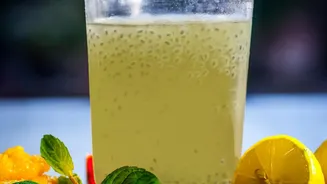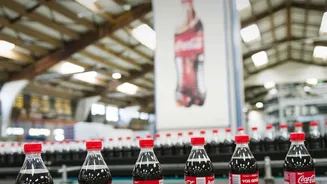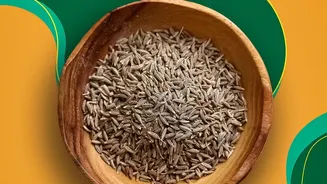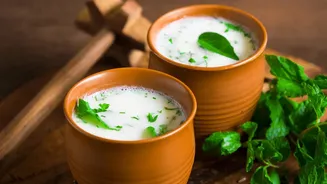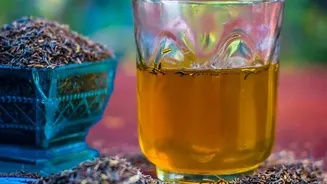







For decades, the choice of a fizzy drink in India was a simple one, usually between a handful of global cola brands. But a quiet rebellion is bubbling up from a spice box staple: jeera, or cumin, is now fizzing its way to the top.
A Desi Flavour Disrupts the Big Leagues
In the colossal Indian
beverage market, estimated to be worth over $32 billion in 2024, the dominance of giants like Coca-Cola and PepsiCo has long been unshakable. Yet, a significant shift is underway, driven not by a new multinational but by a distinctly Indian taste. Cumin-flavoured sodas, often known as 'Jeera Soda' or 'Masala Soda', are rapidly carving out a substantial space on retail shelves and in consumer hearts. According to a recent report, homegrown ethnic beverage brands have doubled their share of the carbonated soft drinks market to about 15%, causing the combined share of the two cola giants to dip from 93% to around 85%. This isn't just a minor fluctuation; it's a structural disruption, signaling a powerful consumer pivot towards familiar, traditional flavours.
From Kitchen Experiment to Market Juggernaut
The poster child for this trend is Lahori Zeera, a brand born from a kitchen experiment in Punjab in 2017. After a casual, home-mixed jeera drink impressed its creators, they decided to take it commercial. Nearly a decade later, the company is projected to generate revenues of up to $120 million this year, a testament to the drink's explosive popularity. But Lahori Zeera is not alone. It leads a growing pack of challengers including Jeeru by Xotik Frujus, Campa Jeera from Reliance's portfolio, and Fizz Jeera Masala by House of Bindu. Even legacy players are joining the fray; Parle Agro recently launched its cumin soda, Dhishoom, nationwide after years of selling it only in rural markets. The trend is so pronounced that House of Bindu, which introduced a jeera soda nearly 25 years ago with little fanfare, now reports it as its fastest-growing category, doubling its contribution to company revenue in the last five years.
Nostalgia, Health, and the Ten-Rupee Price Point
So, what's behind this sudden surge? It's a blend of cultural pride, perceived health benefits, and smart economics. For many Indians, the tangy, spicy taste of jeera is deeply nostalgic, reminiscent of homemade digestive drinks and street-side refreshments. This emotional connection gives local brands an authentic edge that global flavours can't replicate. Furthermore, in an era of growing health consciousness, jeera soda is often viewed as a healthier alternative to sugary colas. Cumin itself is traditionally known for aiding digestion, which gives the drink functional appeal. While not strictly a health drink, it offers a 'better-for-you' proposition in the minds of many consumers. This appeal is amplified by an accessible price, with the 10-rupee bottle being a key driver of mass-market adoption, especially in Tier-III and Tier-IV towns where big brands have a smaller footprint.
The Cola Giants Fight Back
The established players are not standing still. Coca-Cola, which acquired the cumin soda brand Rimzim in the 1990s, is reportedly strengthening its presence in the category and doubled its production last year to compete. This signals that the battle for India's beverage market is intensifying, with traditional flavours becoming a new front line. The homegrown brands, however, face challenges beyond just competition. Rising costs for raw materials like plastic and sugar are putting pressure on the thin margins of the low-price model. Despite these hurdles, the demand continues to soar. Lahori Zeera's manufacturer has stated that even after doubling production capacity to 1.2 million bottles a day, they are consistently sold out.