




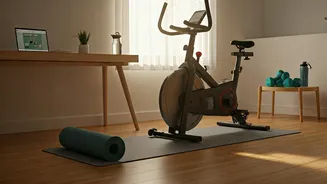


The Great Migration to the Living Room
The seismic shift toward home-based fitness didn't start from scratch, but the 2020s threw gasoline on the fire. When gyms closed, millions of Americans were forced to find alternatives, and the convenience of a zero-commute workout quickly became an addiction.
What began as a temporary solution evolved into a permanent preference for many. The hassle of packing a gym bag, driving through traffic, and waiting for equipment was replaced by the simplicity of rolling out a yoga mat or firing up a stationary bike. This migration created the perfect captive audience for a new kind of fitness motivation: the digitally native, home-based challenge. It’s no longer about where you go to work out, but what structure you can bring into your own space.
The Psychology of the 'Challenge'
Why is the “challenge” format so sticky? It taps directly into our brain's reward system. Unlike a vague goal to “get in shape,” a challenge offers a clear, finite structure. Think of phenomena like #75Hard, which dictates specific daily tasks for 75 days. It provides a defined start and finish line, which is incredibly motivating. Each day you complete the tasks, you get a small dopamine hit of accomplishment. This gamification—streaks, daily check-ins, and clear rules—turns the often-daunting prospect of long-term fitness into a series of manageable, bite-sized wins. It’s not just exercise; it's a game against yourself, and the finish line is always in sight.
Community Without the Commute
One of the biggest arguments for traditional gyms was the sense of community. But digital platforms have masterfully recreated this online. Whether it’s a Peloton leaderboard, a private Facebook group for a YouTube fitness program, or a shared hashtag on Instagram, virtual communities provide the accountability and camaraderie that people crave. Seeing others post their sweaty selfies or celebrate hitting a milestone provides a powerful sense of shared struggle and collective achievement. You might be working out alone in your basement, but you’re part of a global team of thousands doing the exact same thing. This digital fellowship has proven to be just as powerful, if not more so, than the passive community of a physical gym.
The Rise of the Digital Trainer
The gatekeepers of fitness are no longer just the trainers at your local health club. Today’s most influential fitness personalities are digital creators who have built massive followings on platforms like YouTube, Instagram, and TikTok. Creators like Chloe Ting became household names by offering free, structured workout challenges that delivered visible results and fostered enormous online communities. Similarly, Peloton instructors are celebrities in their own right, combining expertise with a motivational performance style that feels personal, even through a screen. This direct-to-consumer model allows trainers to connect with millions, offering their expertise and charisma without the barrier of a gym membership, making high-quality instruction more accessible than ever.
How to Pick Your At-Home Battle
With thousands of challenges to choose from, finding the right one can feel overwhelming. The key is to match the challenge to your reality. First, be honest about your current fitness level and the time you can realistically commit. A 90-minute-a-day, high-intensity program is a recipe for burnout if you're just starting out. Second, look at the community. Does it feel supportive and motivating, or overly competitive and judgmental? A positive environment is crucial for long-term success. Finally, check the credentials of the instructor. Look for certified trainers who emphasize proper form and sustainable progress over quick, potentially injurious, fixes. The best challenge isn't the most popular one; it's the one you can stick with safely and happily.