



The Myth of the Perfect Match
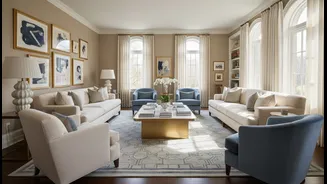
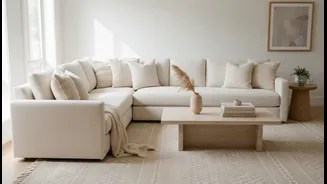
Walking into a furniture showroom can be overwhelming, and the easiest choice is often the pre-packaged one: a sofa with two matching armchairs, a coffee table, and end tables all from the same collection. While convenient, this approach can leave a room feeling
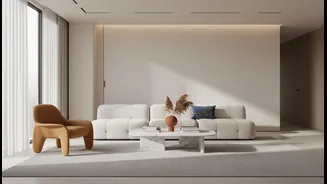
impersonal and flat. A space where every item matches perfectly can lack character and visual interest. The goal of good design isn't to create a showroom but a space that reflects who you are. Moving away from 'matchy-matchy' design allows for more personality and creativity to shine through, creating a home that feels curated and unique rather than purchased in one go.
From Matching to Cohesion
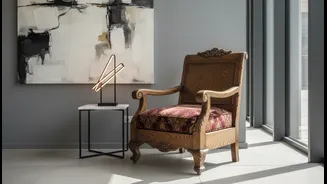
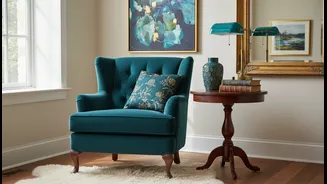
The opposite of a matched room isn't chaos; it's cohesion. Cohesion is the art of making different elements work together in harmony. Instead of identical pieces, a cohesive room uses a common thread to tie everything together. This unifying element could be a shared color palette, a repeated material like a specific wood tone, or a consistent style that allows you to mix and match different pieces. The aim is to create a visual dialogue between objects, where a sleek modern lamp can highlight the beautiful lines of a vintage armchair, making the entire space feel more dynamic and interesting.
Mastering the 60-30-10 Rule
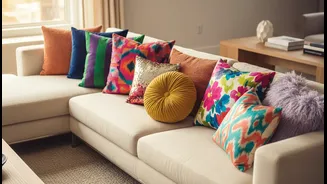
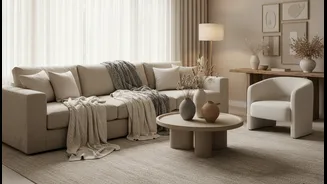
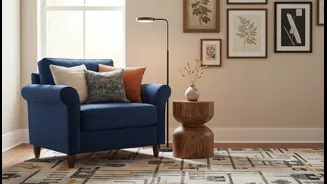
A simple but powerful tool for achieving cohesion is the 60-30-10 color rule. This interior design guideline helps you balance your color palette without being overly restrictive. Here’s how it works: 60% of your room should be a dominant color, which typically covers large areas like the walls. 30% should be a secondary color, found in furniture, curtains, or an area rug. The final 10% is your accent color, used for small pops of personality in things like throw pillows, artwork, and decor. This framework provides structure while still allowing for creativity, ensuring your color choices feel intentional and balanced.
Play with Texture and Pattern
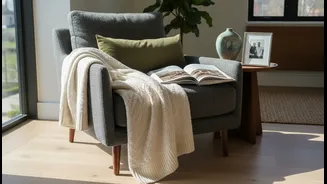
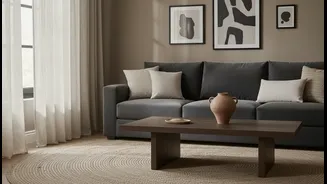
A thoughtfully designed room engages more than just the eyes. Mixing different textures adds a layer of sensory richness that makes a space feel warm and inviting. Think about the interplay between a smooth leather sofa, a rough-hewn wooden table, a soft knit throw, and a sleek metal lamp. Each material reflects light differently, adding depth and preventing the room from feeling flat. Similarly, don't be afraid to mix patterns. The key is to vary the scale. You might pair a large-scale floral pattern with a small geometric print and a medium stripe, all unified by your cohesive color palette.
Tell Your Story Over Time
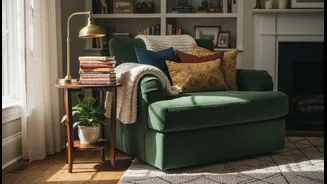
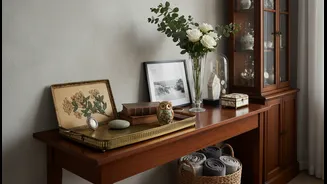
The most thoughtful rooms look and feel as though they were assembled over time, telling the story of the people who live there. This is often called a 'collected look'. It's about blending the old with the new—perhaps your grandmother's side table sits next to a modern sofa, or travel souvenirs are displayed alongside contemporary art. Don't be afraid to mix furniture from different periods. A common guideline is the 80/20 rule: 80% of your pieces might be from one primary style (like modern), with 20% being accent pieces from another era (like vintage). This approach creates a space that is deeply personal and impossible to replicate.