






The New Reality: A More Erratic Monsoon
The defining feature of India's changing climate is the increasing instability of its rainfall. Scientific evidence shows a clear trend away from steady, season-long monsoons towards a pattern of chaos: delayed onset, followed by short, ferocious bursts
of extreme rain, and punctuated by longer-than-usual dry periods. This shift means that even in a year with a 'normal' total rainfall amount, the distribution is uneven. Some regions are hit with devastating floods and landslides, while others simultaneously face drought-like conditions. This phenomenon is not just a weather report anomaly; it represents a fundamental disruption to the water cycle that has sustained Indian life and nature for millennia.
Forests Under Unprecedented Stress
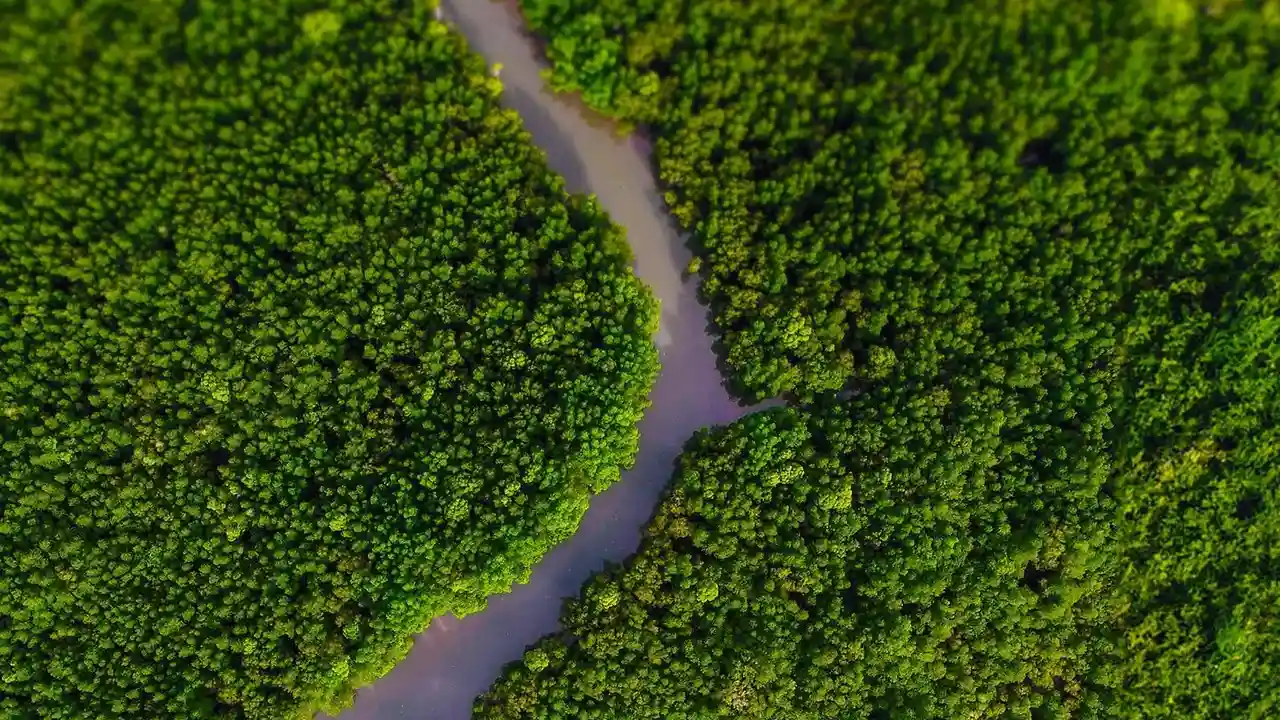
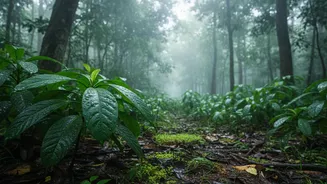
India's forests are finely tuned to seasonal rain, and the new erratic patterns are pushing them to their limits. Longer dry spells increase moisture stress on trees, making them more vulnerable to pests and diseases. This also elevates the risk of forest fires, which can decimate large tracts of woodland. A recent study in the Panchmarhi Biosphere Reserve in central India found that shifting rains and rising temperatures contributed to a significant loss of forest cover, with dry deciduous forests being particularly vulnerable. In these areas, intense downpours on dry, hardened soil lead to massive runoff and erosion instead of replenishing the groundwater that trees depend on during drier months. Over time, these pressures can alter the very composition of forests, threatening their rich biodiversity.
Wildlife Struggling to Adapt
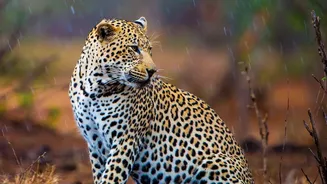
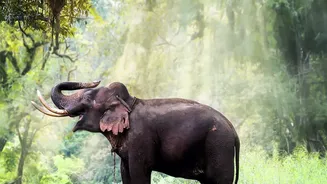
Animals across the country are finding their lives upended. For countless species, the seasons are a crucial clock for migration, breeding, and finding food. Climate change is scrambling this natural calendar. Elephants in southern India are reportedly wandering beyond their traditional territories in search of water, leading to a rise in human-animal conflict. Amphibians, like the Matheran Wrinkled Frog in the Western Ghats, are especially vulnerable; their soft eggs are laid in damp areas and require consistent moisture, but sudden breaks in the monsoon can cause entire clutches to dry out and perish. Even apex predators are affected. In the Sundarbans, the breeding cycle of tigers is becoming mismatched with that of their primary prey, chital deer, whose own reproductive timings are altered by delayed vegetation growth due to erratic rains.
The Ripple Effect Across Ecosystems
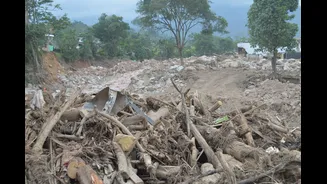
The impacts of changing rainfall cascade through entire ecosystems, triggering a chain reaction. Intense rainfall events cause flash floods that not only destroy habitats but also wash away nutrient-rich topsoil, degrading land for years to come. Conversely, prolonged dry spells lead to the shrinking of wetlands and water bodies, which are vital breeding grounds for fish, amphibians, and countless bird species. This decline has a cascading effect up the food chain. The health of domestic animals and livestock is also at risk, with unpredictable wet and unsanitary conditions fostering the spread of respiratory and gastrointestinal diseases. This deep interconnectedness means that no part of the ecosystem is immune; the instability that begins with the rain ultimately threatens the stability of the entire natural world.